Category

Healthy Lifestyle

Ending the Year with Strength: Survivorship

December is a time of reflection, and for many survivors, it’s a chance to acknowledge how far they’ve come. Survivorship is more than finishing treatment—it’s learning to live well, stay empowered, and continue thriving.

Survivorship Often Includes:

Regular follow-up appointments

Monitoring for recurrence

Managing long-term side effects

Rebuilding routines, strength, and confidence

Emotional, social, and spiritual healing

Your Survivorship Plan Matters

A personalized survivorship plan helps you stay on track—and our team is here to guide you every step of the way.

Three Things You Can Do Today for a Healthier Tomorrow.

As the year comes to a close, many of us start thinking about resolutions and fresh starts. But when it comes to your health, you don’t have to wait for January to begin making powerful choices.

December is the perfect time to pause, breathe, and check in with your overall well-being—especially if you’ve been meaning to schedule a screening, follow up on a symptom, or reconnect with your care team.

Three Small Actions That Make a Big Difference

1. Schedule the screening you’ve been putting off.
Early detection saves lives—and a 10-minute call could change yours.

2. Listen to what your body has been telling you.
Unusual fatigue, persistent pain, or changes in appetite shouldn’t be ignored.

3. Reach out for support.
Your care team, friends, and community are here—especially during the holidays.

This Season, Give Yourself Permission to Prioritize You

Whether you’re a patient, survivor, caregiver, or someone wanting to take charge of their health, December offers a meaningful reminder: your health is worth the time, the energy, and the care.

Caring for Yourself Through the Holidays

The holiday season can be joyful—but for those facing cancer, it can also feel overwhelming. It’s okay to need support, to set boundaries, or to approach the season differently than before.

Ways to Care for Yourself This December

– Say yes only to what feels manageable

– Accept help from people who offer (they mean it!)

– Give yourself permission to create new traditions

– Stay connected with your care team if symptoms or emotions shift

You’re Not Alone

Our team is here—even through the holidays—to support you, answer questions, and coordinate the care you need.

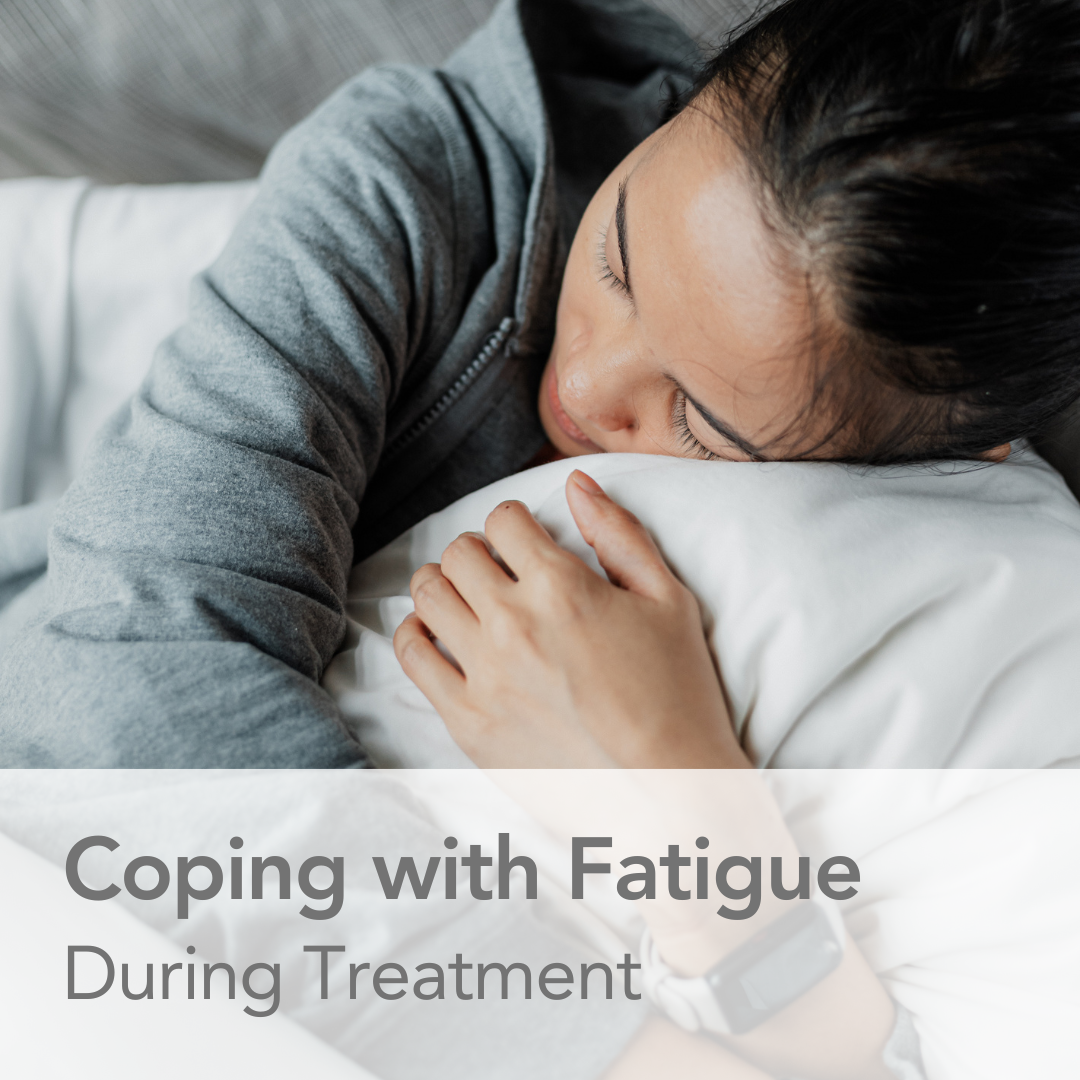
Coping With Fatigue During Cancer Treatment

Fatigue is one of the most common—and frustrating—side effects of cancer treatment. It’s more than feeling tired; it’s a profound lack of energy that rest alone can’t fix. The good news: there are proven strategies to help.

What Causes Treatment-Related Fatigue?

  • Chemotherapy or radiation effects on healthy cells
  • Anemia
  • Stress or anxiety
  • Sleep disruptions
  • Changes in appetite or nutritional intake

Ways to Manage Fatigue

  • Prioritize rest without oversleeping
  • Stay gently active with walking or stretching
  • Eat small, balanced meals throughout the day
  • Ask for help with daily tasks
  • Practice mindfulness or relaxation techniques

If fatigue becomes overwhelming or interrupts daily life, talk with your care team. Sometimes fatigue can indicate anemia or other medical needs that can be treated.

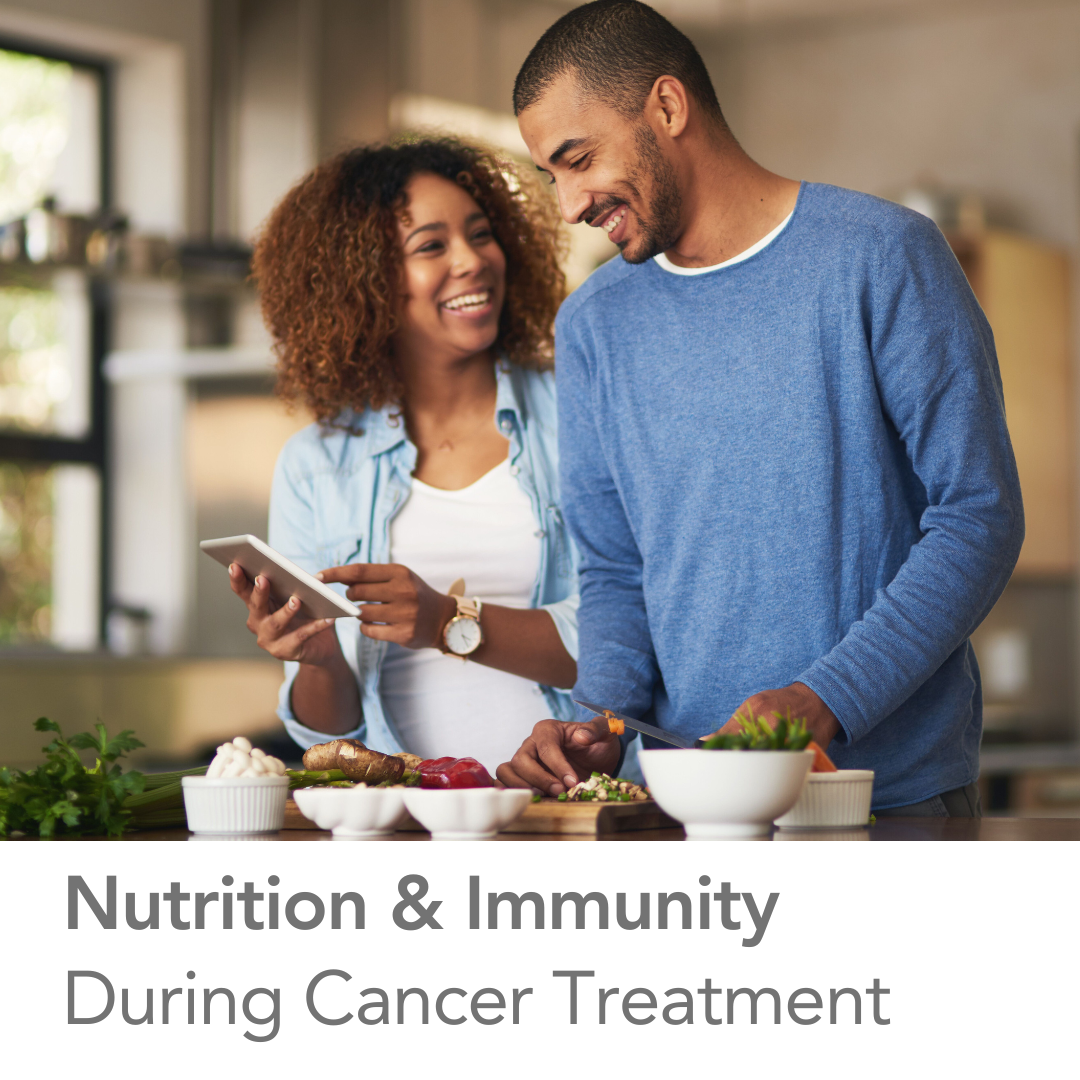
Nutrition & Immunity During Cancer Treatment

Nutrition plays a vital role in maintaining strength and supporting the immune system during cancer treatment. As we enter the colder months, it’s a perfect time to focus on foods that help your body stay resilient.

Immune-Boosting Foods

  • Citrus fruits for vitamin C
  • Leafy greens for antioxidants
  • Lean proteins to support healing
  • Greek yogurt for gut health
  • Nuts and seeds for healthy fats and minerals

Hydration Matters

Dry winter air, medications, and treatment can all increase dehydration risk. Drinking plenty of fluids—water, electrolyte beverages, herbal teas—helps your body manage treatment side effects and maintain energy.

When to Talk With a Nutritionist

If you’re experiencing appetite loss, weight changes, nausea, or difficulty eating, our oncology nutrition team can help design a personalized plan to keep you nourished and supported.

Moving Through Treatment—The Benefits of Exercise

Even gentle movement can reduce fatigue, improve your mood, and support healing.

Why staying active helps:

• Boosts energy levels and reduces fatigue
• Improves sleep and reduces anxiety
• Maintains strength, balance, and mobility

Safe ways to move:

• Walking or light stretching
• Water-based exercise
• Short, daily movement breaks

Always consult with your care team before starting something new. The goal isn’t to push your limits; it’s to move in a way that supports your well-being.

The Power of Sleep During Cancer Treatment

Sleep is a key part of healing, especially during cancer treatment. Your body uses this time to restore itself, manage stress, and support your immune system. Unfortunately, many people undergoing treatment find it difficult to sleep well.

Why sleep matters:

• Helps your body recover from treatment
• Reduces fatigue and emotional stress
• Strengthens immune function

Tips for better sleep during treatment:

• Stick to a regular sleep schedule
• Keep your bedroom cool, dark, and quiet
• Avoid screen time before bed
• Try calming routines like reading, music, or meditation
• Let your care team know if pain or nausea is interrupting sleep

Good sleep supports healing, and we’re here to help if you’re struggling. Don’t hesitate to bring up sleep concerns at your next appointment.

Cancer and Nutrition: Eating Well in the Heat of Summer

Good nutrition is essential during cancer treatment, and summer offers a bounty of seasonal foods that can help you feel your best. Fresh fruits, vegetables, and hydrating meals not only support your immune system but also help manage treatment side effects.

Some cancer-friendly summer staples include:

– Watermelon and cucumber for hydration

– Blueberries, strawberries, and cherries for antioxidants

– Grilled lean proteins like chicken or fish for strength and healing

– Leafy greens for fiber and essential nutrients

Staying well-nourished can also support better outcomes during cancer therapy. If you’re undergoing treatment, our team is here to help you create a plan tailored to your needs and preferences.

This summer, nourish your body and enjoy the season—with guidance and support from our care team.

Hydration and Healing: Staying Well During Summer Cancer Treatment

Summer brings sunshine, warmth, and outdoor fun—but for those undergoing cancer treatment, it also brings added challenges. Heat and humidity can increase the risk of dehydration, especially when combined with side effects from chemotherapy, radiation, or medications.

Why Hydration Matters During Treatment

Water does more than just quench your thirst. Staying hydrated helps your body:

Flush out toxins from treatment

Regulate body temperature

Prevent dizziness and fatigue

Support digestion and reduce constipation

Keep skin and tissues healthy

For cancer patients, dehydration can worsen treatment side effects and increase the risk of complications like kidney issues or low blood pressure.

Signs You May Be Dehydrated
Look out for:

Dry mouth or lips

Headaches or lightheadedness

Dark-colored urine

Fatigue or confusion

Muscle cramps

If you’re experiencing these symptoms, contact your care team right away.

Tips for Staying Hydrated in the Heat
– Sip regularly. Don’t wait until you’re thirsty. Carry a water bottle and take small sips throughout the day.
– Eat water-rich foods. Melons, cucumbers, oranges, and lettuce can help you stay hydrated.
– Try electrolyte drinks (if recommended). Options like coconut water or electrolyte-enhanced water can help, especially if you’re experiencing vomiting or diarrhea.
– Avoid alcohol and caffeine. These can dehydrate you further.
– Infuse your water. Add slices of lemon, mint, or berries for a refreshing twist.

Talk to Your Care Team
If you’re having trouble drinking enough or managing side effects like nausea, our providers can help you find hydration strategies that work for you.

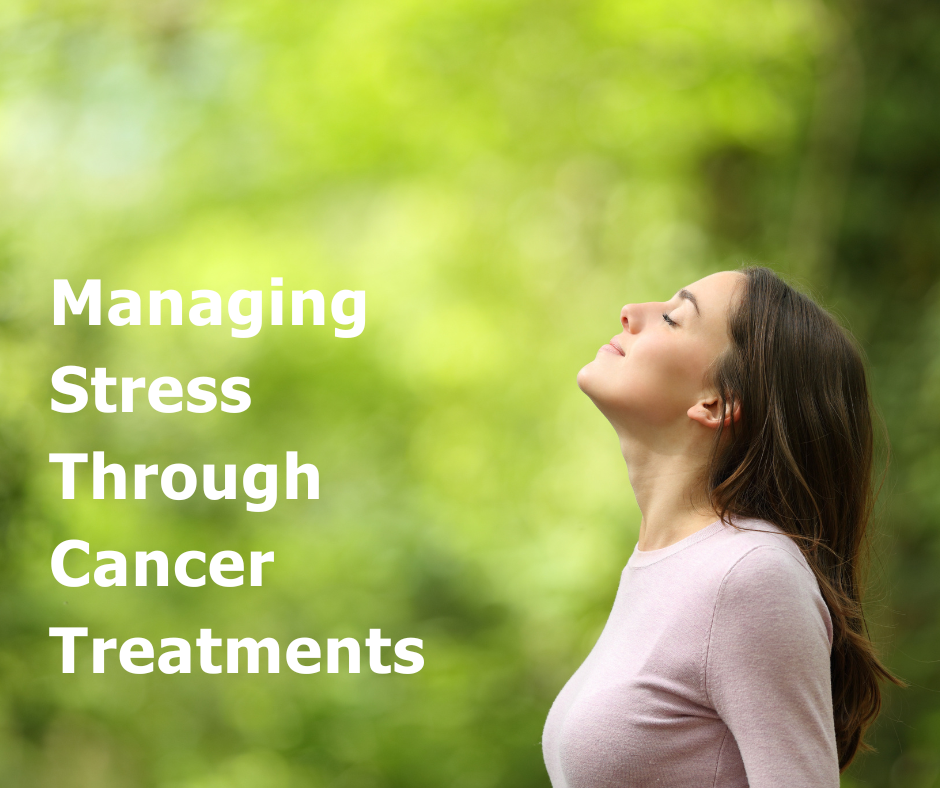
Managing Stress Through Cancer Treatment

A cancer diagnosis brings more than just physical challenges—it also affects emotional and mental health. It’s completely normal to feel overwhelmed, anxious, or even scared. But managing stress throughout treatment can help improve your overall well-being and support healing.

Here are a few ways to manage stress during cancer care:

  1. Talk About It
    Whether with a trusted friend, family member, counselor, or support group, talking about your emotions can reduce anxiety and help you feel less alone.
  2. Practice Mindfulness and Relaxation
    Simple breathing exercises, meditation, and guided imagery can calm the mind and body. Even 5–10 minutes a day can make a difference.
  3. Stay as Active as You’re Able
    Gentle movement—like walking, stretching, or chair yoga—can help boost mood, reduce fatigue, and improve sleep.
  4. Get Enough Rest
    Rest is healing. Prioritize sleep and don’t hesitate to take naps or slow down when your body needs it.
  5. Ask Questions and Stay Informed
    Feeling uncertain can add stress. Talk to your care team, ask questions, and understand your treatment plan—it helps you feel more in control.
  6. Accept Help
    Let friends or family run errands, prepare meals, or drive you to appointments. Saying “yes” to support can ease the emotional and physical load.

Remember: You don’t have to go through this alone. Your care team is here to support not only your medical needs, but your emotional health too. Managing stress is part of the healing process.