
All Posts By

[email protected]

Things to Consider When Planning Your Prostate Cancer Screening

The benefit of regular screening is to catch cancer before symptoms occur. When caught in its earlier stages, prostate cancer is more treatable.

This might make it seem like prostate screening is always a good thing, but there are some issues surrounding screening that make it unclear if the benefits outweigh the risks for most men.

To ensure screening is right for you, look at the risk factors to see if they apply to you and talk with your healthcare provider. The American Cancer Society recommends men make an informed decision with their health care provider on whether to be screened for prostate cancer and when is a good time to start screening.

Consider these ages and factors when determining the best time to start discussion about screening:

  • Age 50 for men who are at average risk of prostate cancer and are expected to live at least 10 more years
  • Age 45 for men at high risk of developing prostate cancer. This includes African Americans and men who have a first-degree relative (father or brother) diagnosed with prostate cancer at an early age (younger than age 65).
  • Age 40 for men at even higher risk (those with more than one first-degree relative who had prostate cancer at an early age).

Learn more about the types of prostate cancer screenings by clicking HERE.

PROSTATE CANCER CARE

Prostate cancer that is detected early, when it is still confined to the prostate gland, has the best chance for successful treatment. Our caring team of experts are here to provide you with a custom-tailored treatment plan that is unique to your diagnosis, tumor size, location and involvement. Click on the button below to learn more.

A Guide to Healthy Holiday Eating

Holidays can be the most wonderful time of the year, but if you’re trying to stay true to your healthy eating plan, you might start dreading the holiday season, knowing it could be an end to your so-far-successful meal plan. The parties last for weeks, the food seems endless and everyone is splurging, so how do you avoid the pitfall and stick to your meal plan?

Here are 3 tips to help guide you in eating through the holidays.

Plan Ahead

The holidays typically are accompanied by lots of parties and social outings, which means food! And good food. You want to attend the get-togethers, but don’t want to sacrifice your meal plan. While you can’t control the food you’re served there are some things you can control to help keep your eating plan in place.

Eat close to your usual times to keep your blood sugar steady. If your meal is served later than normal, eat a small snack at your usual mealtime and eat a little less when dinner is served.
Invited to a party? Offer to bring a healthy dish along.
If you have a sweet treat, cut back on other carbs (like potatoes and bread) during the meal.
Don’t skip meals to save up for a feast. It will be harder to manage your blood sugar, and you’ll be really hungry and more likely to overeat.
If you slip up, get right back to healthy eating with your next meal.

Limit the Trips to the Buffet

When you face a spread of delicious food it can be hard not to pile up your plate. You don’t need to avoid the buffet completely, but there are some safety nets you can set up so you don’t overeat.

Have a small plate of the foods you like best and then move away from the buffet table.
Start with vegetables to take the edge off your appetite.
Eat slowly. It takes at least 20 minutes for your brain to realize you’re full.

Treat Yourself

You don’t have to miss out on the fun holiday foods, have your favorite dessert, cook your favorite dish to share, and enjoy it yourself. It can make it more difficult sometimes to stick to your meal plan if you limit yourself to healthy foods only. Have that slice of pie or stuffing, just make sure to slow down when you’re eating to savor it, have a small serving and only one serving.

See How We Specialize Cancer Care

No two situations are the same. That’s why our caring team of experts are here to provide you with a custom-tailored treatment plan that is unique to your diagnosis, tumor size, location and involvement. Click on the button below to learn more.
A Guide to Healthy Holiday Eating

Holidays can be the most wonderful time of the year, but if you’re trying to stay true to your healthy eating plan, you might start dreading the holiday season, knowing it could be an end to your so-far-successful meal plan. The parties last for weeks, the food seems endless and everyone is splurging, so how do you avoid the pitfall and stick to your meal plan?

Here are 3 tips to help guide you in eating through the holidays.

Plan Ahead

The holidays typically are accompanied by lots of parties and social outings, which means food! And good food. You want to attend the get-togethers, but don’t want to sacrifice your meal plan. While you can’t control the food you’re served there are some things you can control to help keep your eating plan in place.

  • Eat close to your usual times to keep your blood sugar steady. If your meal is served later than normal, eat a small snack at your usual mealtime and eat a little less when dinner is served.
  • Invited to a party? Offer to bring a healthy dish along.
  • If you have a sweet treat, cut back on other carbs (like potatoes and bread) during the meal.
  • Don’t skip meals to save up for a feast. It will be harder to manage your blood sugar, and you’ll be really hungry and more likely to overeat.

If you slip up, don’t sweat it. Get right back to healthy eating with your next meal.

Limit the Trips to the Buffet

When you face a spread of delicious food it can be hard not to pile up your plate. You don’t need to avoid the buffet completely, but there are some safety nets you can set up so you don’t overeat.

  • Have a small plate of the foods you like best and then move away from the buffet table.
  • Start with vegetables to take the edge off your appetite.
  • Eat slowly. It takes at least 20 minutes for your brain to realize you’re full.

Treat Yourself

You don’t have to miss out on the fun holiday foods, have your favorite dessert, cook your favorite dish to share, and enjoy it yourself. It can make it more difficult sometimes to stick to your meal plan if you limit yourself to healthy foods only. Have that slice of pie or stuffing, just make sure to slow down when you’re eating to savor it, have a small serving and only one serving.

EXPERT CARE

No two situations are the same. That’s why our caring team of experts are here to provide you with a custom-tailored treatment plan that is unique to your diagnosis, tumor size, location and involvement. Click on the button below to learn more.

Liver Cancer Awareness Month: What Are the Risk Factors?

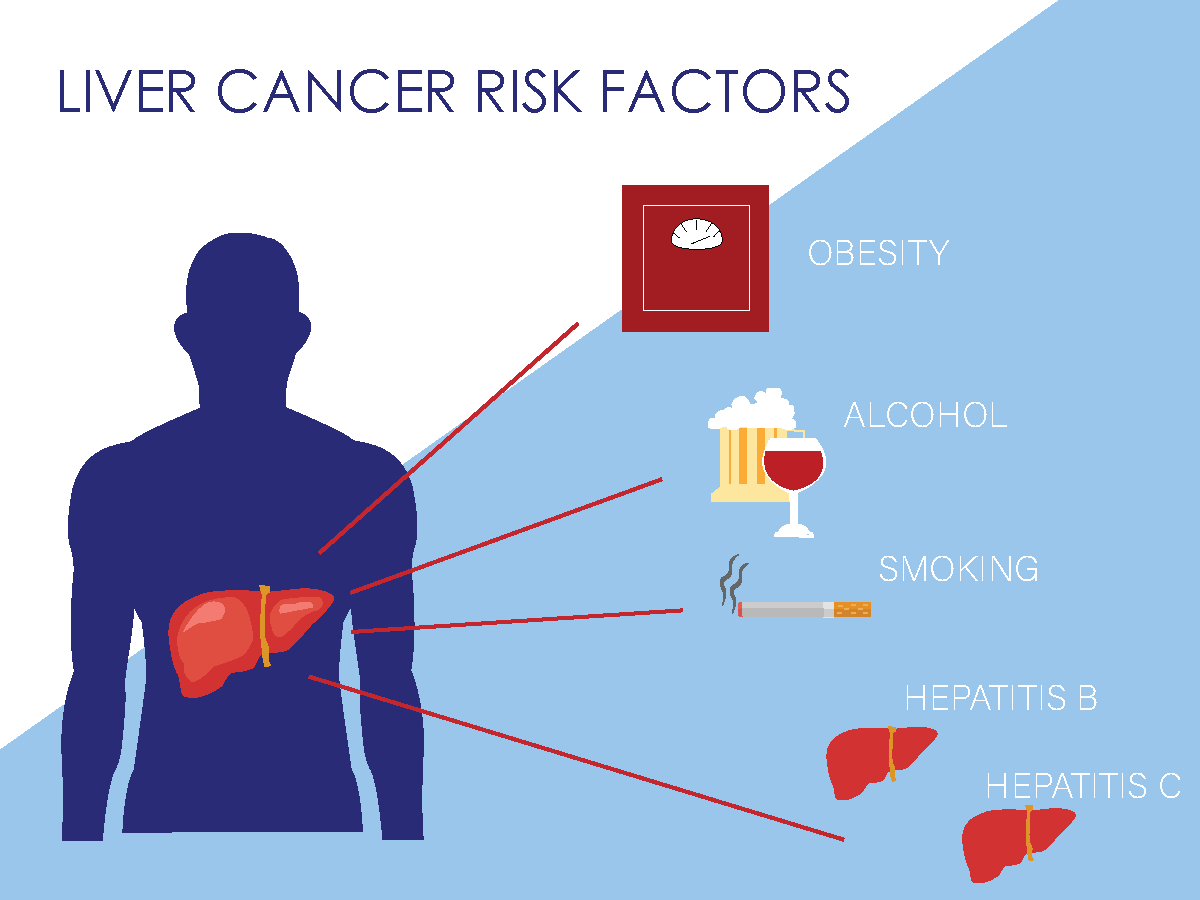
October is Liver Cancer Awareness Month. Understanding the function of your liver and how to keep it healthy can help prevent cancer.

The liver has many important functions. It breaks down, stores, and helps transfer nutrients your body needs. The liver also breaks down alcohol, drugs, and toxic wastes in the blood, which then pass from the body through urine and stool.

Taking care of your liver is important to avoid harmful diseases, like cancer, that can form in the liver’s cells. The liver is mainly composed of cells called hepatocytes. There are other cells that line blood vessels and the small tubes in the liver called bile ducts. In these cells is where cancerous tumors form.

Liver cancer can be prevented by reducing exposure to the known risk factors. Here are some ways to prevent liver cancer recommended by the American Cancer Society.

Avoid and Treat Hepatitis B and C Infections

Worldwide, the most significant risk factor for liver cancer is chronic infection with hepatitis B virus (HBV) and hepatitis C virus (HCV). These viruses can spread from person to person through sharing contaminated needles (such as in drug use) through unprotected sex, and through childbirth, so some liver cancers may be avoided by not sharing needles and by using safer sex practices (such as always using condoms).

Limit Alcohol and Tobacco Use

Drinking alcohol can lead to cirrhosis, which in turn, can lead to liver cancer. Not drinking alcohol or drinking in moderation could help prevent liver cancer.

Since smoking also increases the risk of liver cancer, not smoking will also prevent some of these cancers. If you smoke, quitting will help lower your risk of this cancer, as well as many other cancers and life-threatening diseases.

Maintain a Healthy Weight

Avoiding obesity might be another way to help protect against liver cancer. People who are obese are more likely to have fatty liver disease and diabetes, both of which have been linked to liver cancer.

EXPERT CARE

No two situations are the same. That’s why our caring team of experts are here to provide you with a custom-tailored treatment plan that is unique to your diagnosis, tumor size, location and involvement. Click on the button below to learn more.
Liver Cancer Awareness Month: What Are the Risk Factors?

October is Liver Cancer Awareness Month. Understanding the function of your liver and how to keep it healthy can help prevent cancer.

The liver has many important functions. It breaks down, stores, and helps transfer nutrients your body needs. The liver also breaks down alcohol, drugs, and toxic wastes in the blood, which then pass from the body through urine and stool.

Taking care of your liver is important to avoid harmful diseases, like cancer, that can form in the liver’s cells. The liver is mainly composed of cells called hepatocytes. There are other cells that line blood vessels and the small tubes in the liver called bile ducts. In these cells is where cancerous tumors form.

Liver cancer can be prevented by reducing exposure to the known risk factors. Here are some ways to prevent liver cancer recommended by the American Cancer Society.

Avoid and Treat Hepatitis B and C Infections

Worldwide, the most significant risk factor for liver cancer is chronic infection with hepatitis B virus (HBV) and hepatitis C virus (HCV). These viruses can spread from person to person through sharing contaminated needles (such as in drug use) through unprotected sex, and through childbirth, so some liver cancers may be avoided by not sharing needles and by using safer sex practices (such as always using condoms).

Limit Alcohol and Tobacco Use

Drinking alcohol can lead to cirrhosis, which in turn, can lead to liver cancer. Not drinking alcohol or drinking in moderation could help prevent liver cancer.

Since smoking also increases the risk of liver cancer, not smoking will also prevent some of these cancers. If you smoke, quitting will help lower your risk of this cancer, as well as many other cancers and life-threatening diseases.

Maintain a Healthy Weight

Avoiding obesity might be another way to help protect against liver cancer. People who are obese are more likely to have fatty liver disease and diabetes, both of which have been linked to liver cancer.

See How We Specialize Cancer Care

No two situations are the same. That’s why our caring team of experts are here to provide you with a custom-tailored treatment plan that is unique to your diagnosis, tumor size, location and involvement. Click on the button below to learn more.

October is Breast Cancer Awareness Month: Do You Have A Screening Routine?

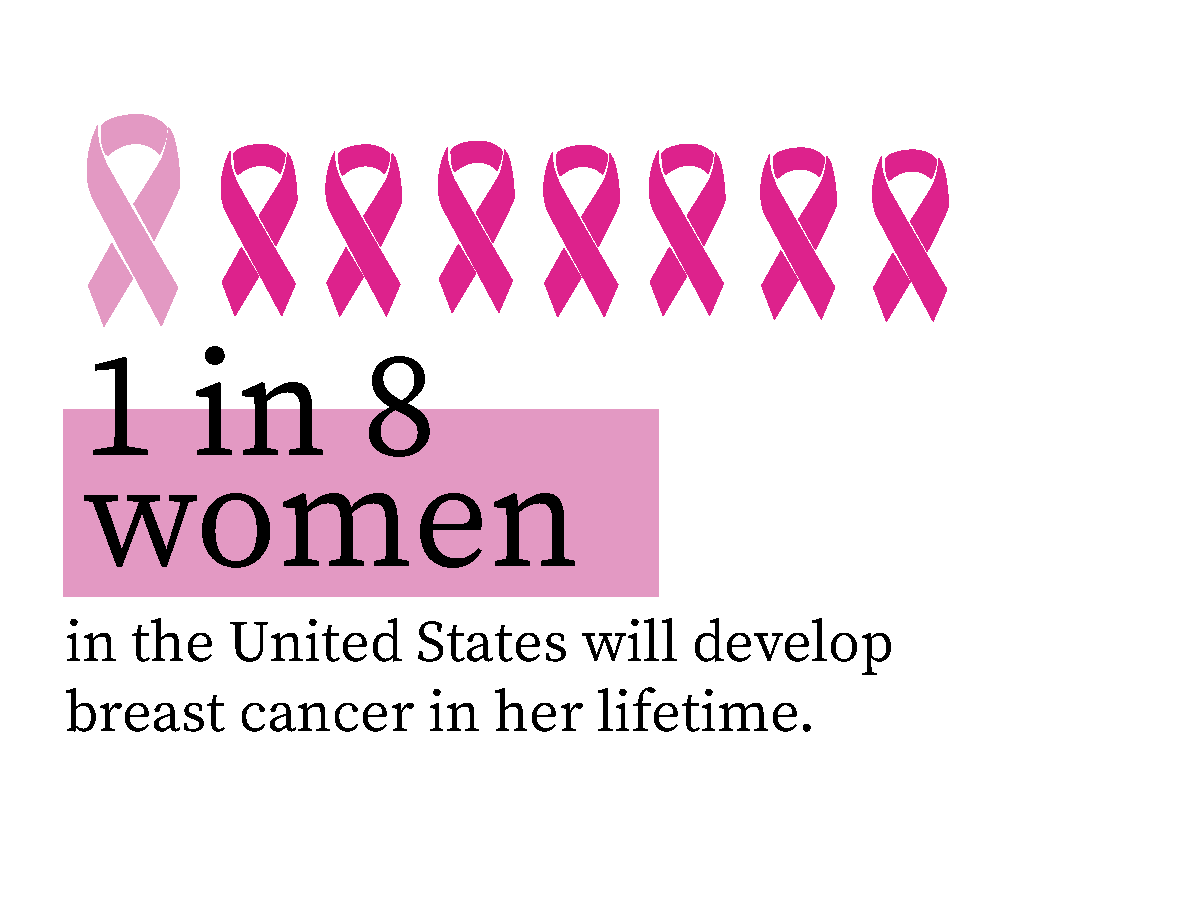
October is Breast Cancer Awareness month. One in 8 women will be diagnosed with breast cancer in her lifetime according to the National Breast Cancer Foundation. This month is a good time to encourage routine care and testing to detect early breast cancer.

Breast cancer forms in the cells of the breast. Although mostly found among women, there are some cases where it appears in men.

Symptoms of breast cancer include:

  • A lump in the breast
  • Change in size, shape and appearance of the breast
  • Dimpling or changes to the skin over the breast
  • Peeling or flaking of the skin surrounding the nipple (the areola)
  • Redness or pitting of the skin over the breast

If you find a lump or other change in your breast — even if a recent mammogram was normal — don’t wait, make an appointment with your doctor.

The American Cancer Society recommends these tips about breast cancer screenings.

How often should I get a mammogram?

Women between the ages 50-74 years old are at average risk for breast cancer and can get a mammogram every two years.

It’s recommended women who are 40-49 years old should talk with their healthcare provider to discuss when they should start routine screenings and how often.

What are the different types of breast cancer screenings?

Mammogram

A mammogram is an X-ray of the breast. For many women, mammograms are the best way to find breast cancer early, when it is easier to treat and before it is big enough to feel or cause symptoms. Having regular mammograms can lower the risk of dying from breast cancer. At this time, a mammogram is the best way to find breast cancer for most women of screening age.

Breast Magnetic Resonance Imaging (MRI)

A breast MRI uses magnets and radio waves to take pictures of the breast. Breast MRI is used along with mammograms to screen women who are at high risk for getting breast cancer. Because breast MRIs may appear abnormal even when there is no cancer, they are not used for women at average risk.

Other Exams

A clinical breast exam is an examination by a doctor or nurse, who uses his or her hands to feel for lumps or other changes.

Breast Self-Awareness

Being familiar with how your breasts look and feel can help you notice symptoms such as lumps, pain, or changes in size that may be of concern. These could include changes found during a breast self-exam. You should report any changes that you notice to your doctor or health care provider.

Having a clinical breast exam or doing a breast self-exam has not been found to lower the risk of dying from breast cancer.

BREAST CANCER CARE

Bardmoor Cancer Center will take careful steps stage and grade the tumor to assess the best way to create and manage your treatment plan. Our goal is to achieve the very best outcome while preserving your quality of life. Click on the button below to learn more.

October is Breast Cancer Awareness Month: Do You Have A Screening Routine?

October is Breast Cancer Awareness month. One in 8 women will be diagnosed with breast cancer in her lifetime according to the National Breast Cancer Foundation. This month is a good time to encourage routine care and testing to detect early breast cancer.

Breast cancer forms in the cells of the breast. Although mostly found among women, there are some cases where it appears in men.

Symptoms of breast cancer include:

  • A lump in the breast
  • Change in size, shape and appearance of the breast
  • Dimpling or changes to the skin over the breast
  • Peeling or flaking of the skin surrounding the nipple (the areola)
  • Redness or pitting of the skin over the breast

If you find a lump or other change in your breast — even if a recent mammogram was normal — don’t wait, make an appointment with your doctor.

The American Cancer Society recommends these tips about breast cancer screenings.

How often should I get a mammogram?

Women between the ages 50-74 years old are at average risk for breast cancer and can get a mammogram every two years.

It’s recommended women who are 40-49 years old should talk with their healthcare provider to discuss when they should start routine screenings and how often.

What are the different types of breast cancer screenings?

Mammogram

A mammogram is an X-ray of the breast. For many women, mammograms are the best way to find breast cancer early, when it is easier to treat and before it is big enough to feel or cause symptoms. Having regular mammograms can lower the risk of dying from breast cancer. At this time, a mammogram is the best way to find breast cancer for most women of screening age.

Breast Magnetic Resonance Imaging (MRI)

A breast MRI uses magnets and radio waves to take pictures of the breast. Breast MRI is used along with mammograms to screen women who are at high risk for getting breast cancer. Because breast MRIs may appear abnormal even when there is no cancer, they are not used for women at average risk.

Other Exams

A clinical breast exam is an examination by a doctor or nurse, who uses his or her hands to feel for lumps or other changes.

Breast Self-Awareness

Being familiar with how your breasts look and feel can help you notice symptoms such as lumps, pain, or changes in size that may be of concern. These could include changes found during a breast self-exam. You should report any changes that you notice to your doctor or health care provider.

Having a clinical breast exam or doing a breast self-exam has not been found to lower the risk of dying from breast cancer.

EXPERT CARE

No two situations are the same. That’s why our caring team of experts are here to provide you with a custom-tailored treatment plan that is unique to your diagnosis, tumor size, location and involvement. Click on the button below to learn more.

September is Ovarian Cancer Awareness Month

Gynecological cancers encompass all cancers in the female reproductive system. All women are at risk of developing these cancers, which increase with age and can vary depending on the cancer type.

According to the Foundation of Women’s Cancer, ovarian cancer is the seventh most common cancer type among women worldwide.

Ovarian cancer is composed of three major categories: epithelial ovarian cancer, germ cell cancer, and stromal cell cancer.

Understanding the 3 Categories of Ovarian Cancer

Epithelial Ovarian Cancers

Epithelial ovarian cancers are the most common of ovarian cancers, accounting for 85% to 89%. They rank fourth in cancer deaths among women in the U.S. and cause more deaths than any other cancer of the female reproductive system.

Epithelial ovarian cancers form in the surface cells of the ovary, or from the fallopian tube surface cells. They can be a part of a hereditary syndrome such as those with BRCA1 and/or BRCA2 gene mutations. Fallopian tube and primary peritoneal cancers are also epithelial cancers and have some of the same behaviors, risks and treatment approaches.

Germ Cell Cancers

Germ cell cancers account for nearly 5% of ovarian cancers, making it one of the less common forms of ovarian cancer than epithelial cancer.

Germ cell cancers start in the cells that develop into follicles or eggs in the ovaries. Typically, this cancer appears in adolescents and young women and often affects only one ovary.

Stromal Cell Cancers

Stromal cell cancers are another rare ovarian cancer. They start in the cells that produce female hormones and hold the ovarian tissues together. Similarly, there are several types of stromal cell cancers and presentation and treatment can vary.

Symptoms of ovarian cancer can include:

These symptoms include:
• Bloating
• Pelvic or abdominal pain
• Difficulty eating or feeling full quickly
• Urinary symptoms (urgency or frequency)

While these may be common symptoms many women
without cancer may have occasionally, patients with ovarian
cancer report that symptoms are persistent and often
progressive, and represent a change from normal for
their bodies.

EXPERT CARE

No two situations are the same. That’s why our caring team of experts are here to provide you with a custom-tailored treatment plan that is unique to your diagnosis, tumor size, location and involvement. Click on the button below to learn more.

September is Ovarian Cancer Awareness Month

Gynecological cancers encompass all cancers in the female reproductive system. All women are at risk of developing these cancers, which increase with age and can vary depending on the cancer type.

According to the Foundation of Women’s Cancer, ovarian cancer is the seventh most common cancer type among women worldwide.

Ovarian cancer is composed of three major categories: epithelial ovarian cancer, germ cell cancer, and stromal cell cancer.

Understanding the 3 Categories of Ovarian Cancer

Epithelial Ovarian Cancers

Epithelial ovarian cancers are the most common of ovarian cancers, accounting for 85% to 89%. They rank fourth in cancer deaths among women in the U.S. and cause more deaths than any other cancer of the female reproductive system.

Epithelial ovarian cancers form in the surface cells of the ovary, or from the fallopian tube surface cells. They can be a part of a hereditary syndrome such as those with BRCA1 and/or BRCA2 gene mutations. Fallopian tube and primary peritoneal cancers are also epithelial cancers and have some of the same behaviors, risks and treatment approaches.

Germ Cell Cancers

Germ cell cancers account for nearly 5% of ovarian cancers, making it one of the less common forms of ovarian cancer than epithelial cancer.

Germ cell cancers start in the cells that develop into follicles or eggs in the ovaries. Typically, this cancer appears in adolescents and young women and often affects only one ovary.

Stromal Cell Cancers

Stromal cell cancers are another rare ovarian cancer. They start in the cells that produce female hormones and hold the ovarian tissues together. Similarly, there are several types of stromal cell cancers and presentation and treatment can vary.

Symptoms of ovarian cancer can include:

These symptoms include:
• Bloating
• Pelvic or abdominal pain
• Difficulty eating or feeling full quickly
• Urinary symptoms (urgency or frequency)

While these may be common symptoms many women
without cancer may have occasionally, patients with ovarian
cancer report that symptoms are persistent and often
progressive, and represent a change from normal for
their bodies.

Women’s Cancer Care

Our caring team of experts are here to provide you with a custom-tailored treatment plan in women’s health that is unique to your diagnosis, tumor size, location and involvement. Click on the button below to learn more.

Back to School? Don’t Ditch the Sunscreen Just Yet

As you prepare to send your kids back to school, the to-do lists and back-to-school shopping start to pile up. It’s no surprise sun protection slips down the list of priorities as you move away from outdoor activities and focus on classroom needs.

But don’t put the sunscreen away just yet. Studies show that children sustain significant amounts of sun exposure while at school. About 23 percent of lifetime UV exposure occurs before the age of 18. This exposure can have far-reaching effects. Because sun damage is cumulative, too much sun exposure during childhood can contribute to a higher risk of skin cancer later in life.

Consider the following tips from the Skin Cancer Foundation before your kids return to school.

Recess or Outdoor Activities:

Ask the school administration, teacher, or coaches about the planned breaks while the class is outside. UV rays are most intense from 10 a.m. to 4 p.m. Typically, students have outdoor recess or after-school sports between these peak sun hours. Ask if there are accommodations for shaded break areas. Covered areas like gazebos, roof structures, awnings, shade sails, and natural shade, such as thickly leaved trees, are some examples of shaded rest areas.

Clothing Choice:

Clothing choice is a basic form of sun protection. Dressing in densely woven and bright-colored clothes is the single most effective form of sun protection for the body. Send your children to school in densely woven and bright- or dark-colored fabrics. The more skin you cover, the better, so choose long sleeves shirts and pants whenever possible.

Head and Neck Protection:

Send children to school with a wide-brimmed hat or baseball cap and UV-blocking sunglasses to protect their face, neck, and eyes.

Sunscreen:

Make sunscreen part of the morning routine. At least 30 minutes before children go outside, parents should apply a broad spectrum (UVA/UVB) sunscreen with an SPF 30 or higher to their skin. Older children should learn to apply sunscreen themselves and make it a routine habit. To remain effective, sunscreen should be reapplied every two hours or immediately after swimming or sweating. At a minimum, remind children to reapply sunscreen before after-school sports and outdoor activities. One ounce of sunscreen (about the size of a golf ball) should be applied to the entire body. Remind children to cover those easy-to-miss spots, such as the back of the ears and neck, as well as the tops of the feet and hands.

Expert Skin Cancer Care

Bardmoor Cancer Center will take careful steps stage and grade the tumor to assess the best way to create and manage your treatment plan. Our goal is to achieve the very best outcome while preserving your quality of life. Click the button below to learn more.