All Posts By

[email protected]

Cervical Cancer Prevention: The Role of HPV Vaccination

When it comes to preventing cervical cancer, the HPV vaccine is one of the most powerful tools available. Human papillomavirus (HPV) is a group of more than 200 related viruses, several of which are linked to the development of cervical cancer. The good news is that vaccination can protect against the most common types of HPV that cause cancer.

What is the HPV Vaccine?

The HPV vaccine is a safe and effective vaccine that protects against certain strains of HPV, including the types most commonly associated with cervical, anal, and throat cancers. The vaccine doesn’t treat existing infections but prevents new infections from occurring, significantly reducing the risk of cervical cancer.

Who Should Get Vaccinated?

The vaccine is recommended for both girls and boys, typically between the ages of 11 and 12, though it can be given as early as age 9 and up to age 26. In some cases, adults aged 27 to 45 may benefit from vaccination, particularly if they haven’t been exposed to all HPV types covered by the vaccine.

How Effective is the Vaccine?

The HPV vaccine is highly effective in preventing the most dangerous types of HPV that are responsible for about 70% of cervical cancer cases. It’s most effective when given before any exposure to HPV, which is why early vaccination is key.

Why Vaccinate?

Cervical cancer can take years or even decades to develop after initial HPV infection, making prevention crucial. By vaccinating against HPV, we can significantly reduce the number of cervical cancer cases. In addition to cervical cancer, the vaccine also protects against other cancers caused by HPV, such as throat, penile, and anal cancers.

Vaccination is one of the most important steps in preventing cervical cancer. Speak with your healthcare provider about getting the HPV vaccine and encourage loved ones to do the same. Prevention is the best way to reduce the impact of this disease.

Cervical Cancer: Early Detection and Symptoms

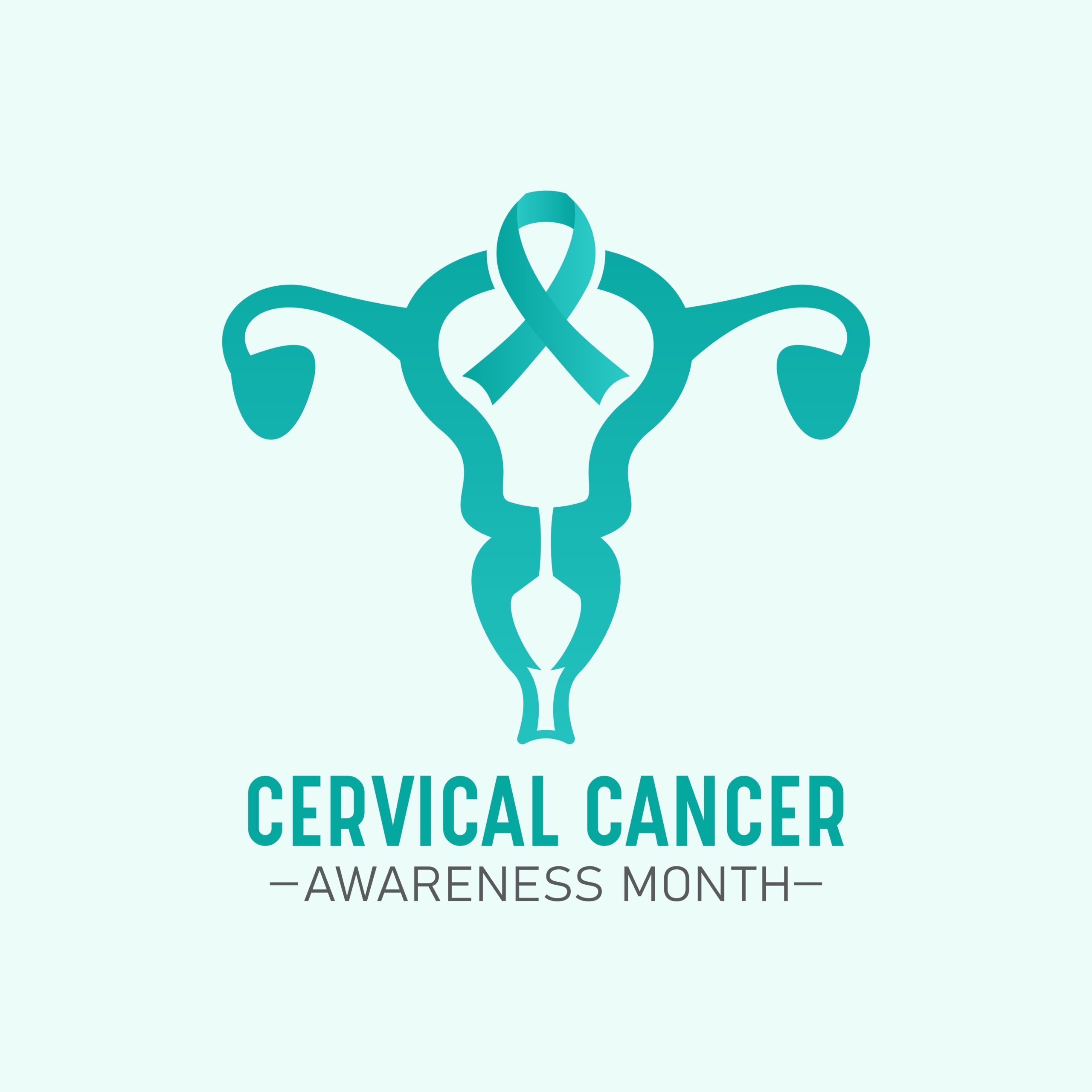
January is Cervical Cancer Awareness Month, a time to shed light on the importance of early detection and preventive measures for cervical cancer. Cervical cancer occurs when abnormal cells in the cervix begin to grow uncontrollably. Though it is a serious diagnosis, it’s also one that can often be prevented or treated successfully when caught early.

What is Cervical Cancer?

Cervical cancer starts in the cells of the cervix—the lower part of the uterus that connects to the vagina. It’s primarily caused by persistent infection with certain types of human papillomavirus (HPV). Most HPV infections go away on their own, but in some cases, the virus can cause abnormal changes in cervical cells that lead to cancer over time.

Risk Factors

There are several risk factors associated with cervical cancer, including:

  • HPV Infection: The most significant risk factor. HPV is a group of more than 200 related viruses, some of which can lead to cervical cancer.
  • Smoking: Women who smoke are at a higher risk of developing cervical cancer.
  • Weakened Immune System: Conditions such as HIV or certain medications can weaken the immune system, increasing the risk.
  • Family History: A family history of cervical cancer can also raise your risk.

Symptoms

In the early stages, cervical cancer often has no noticeable symptoms. However, as the disease progresses, you may experience:

  • Abnormal vaginal bleeding (between periods, after sex, or after menopause)
  • Unusual vaginal discharge
  • Pain during intercourse
  • Pelvic pain

Why Early Detection Matters

Cervical cancer is highly preventable through early screening. Regular Pap smears (or Pap tests) can detect abnormal cells in the cervix before they develop into cancer. HPV tests can also detect high-risk HPV strains that may lead to cervical cancer.

Proactive steps like getting screened, practicing safe sex, and getting the HPV vaccine can significantly reduce the risk of cervical cancer.

Understanding Cancer Screenings: Why Early Detection Matters


Cancer is most treatable when detected early, often before symptoms appear. Regular screenings are a critical part of preventive healthcare and can significantly increase the chances of successful treatment. Here’s what you need to know about the importance of cancer screenings:

Why Screenings Matter

Screenings play a vital role in identifying cancer in its earliest stages, which can:

  • Increase Survival Rates: Early detection often means more treatment options and better outcomes.
  • Identify Cancer Before Symptoms Appear: Screenings can catch changes in the body that may not yet cause noticeable symptoms, giving you a head start on treatment.

Common Cancer Screenings

Regular screenings are tailored to detect specific types of cancer. Here are some of the most common:

  1. Breast Cancer
  • Screening Test: Mammograms
  • Recommendation: Women should start annual or biennial mammograms at age 40, or earlier if they have a family history or other risk factors.
  1. Colorectal Cancer
  • Screening Test: Colonoscopies
  • Recommendation: Begin screenings at age 45. Individuals with a family history or other risk factors may need to start earlier.

3. Cervical Cancer

  • Screening Test: Pap Smears and HPV Testing
  • Recommendation: Women should start Pap smears at age 21. Depending on age and previous results, screenings may be done every 3-5 years, or more frequently based on your provider’s recommendations. Combined HPV testing may also be recommended to detect high-risk viruses that can lead to cervical cancer.

4. Lung Cancer

  • Screening Test: Low-dose CT scans
  • Recommendation: High-risk individuals, such a

Talk to Your Doctor

Your family history, lifestyle, and personal risk factors determine when and how often you should be screened. It’s essential to:

  • Discuss your medical history with your healthcare provider.
  • Create a personalized screening plan that aligns with your needs.
  • Stay informed about updates to screening guidelines for specific cancers.

Early detection through regular cancer screenings can save lives. By scheduling your screenings and encouraging your loved ones to do the same, you can take a proactive step toward better health.

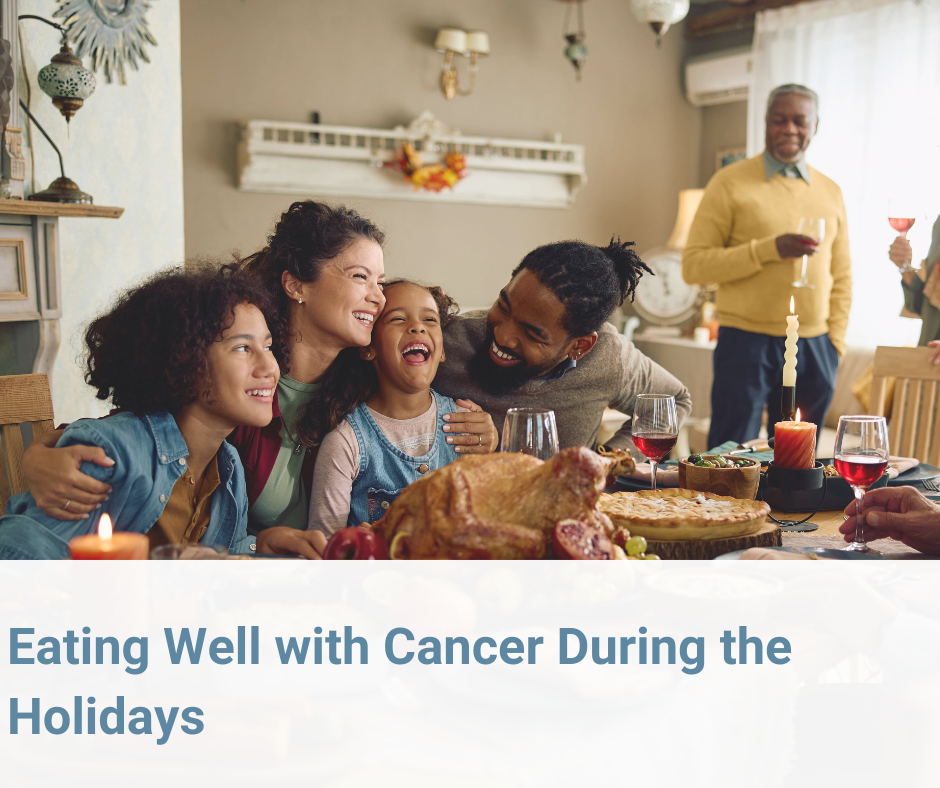
Eating Well with Cancer During the Holidays

The holiday season is often filled with rich foods, festive gatherings, and indulgent treats. For individuals undergoing cancer treatment, maintaining a balanced diet can feel challenging but is an important part of supporting overall health and well-being. With a few mindful strategies, you can enjoy the season’s flavors while prioritizing your nutritional needs.

  1. Focus on Nutrient-Rich Foods

Cancer treatment can increase your body’s need for certain nutrients. Choose holiday dishes that offer nutritional benefits:

  • Lean Proteins: Turkey, chicken, fish, beans, and tofu are great choices for maintaining strength.
  • Colorful Vegetables: Include a variety of vegetables like spinach, carrots, and sweet potatoes to boost your intake of vitamins and minerals.
  • Whole Grains: Opt for whole grain bread, brown rice, or quinoa for added fiber and sustained energy.
  1. Small, Frequent Meals

If you’re experiencing appetite loss or nausea, eating smaller, more frequent meals can help.

  • Focus on lighter holiday dishes, like roasted vegetables, soups, or salads.
  • Keep nutritious snacks like nuts, cheese, or fruit on hand for quick energy boosts.
  1. Stay Hydrated

Cancer treatments can lead to dehydration, especially during the colder months when you might not feel as thirsty.

  • Sip on water, herbal teas, or clear broths throughout the day.
  • Limit alcohol and caffeine, as these can dehydrate and irritate the stomach.
  1. Be Mindful of Food Safety

A weakened immune system can make you more susceptible to food-borne illnesses.

  • Avoid raw or undercooked foods like sushi, eggs, or unpasteurized dairy products.
  • Ensure all dishes are prepared and stored at safe temperatures.
  1. Enjoy Holiday Treats in Moderation

Moderation is helpful with holiday treats.

  • Choose smaller portions of desserts or rich dishes to satisfy cravings without overloading your system.
  • Look for healthier alternatives, like fruit-based desserts or baked goods made with whole grains.
  1. Adapt Recipes for Your Needs

If you’re cooking or bringing a dish to a gathering, consider making recipes that align with your dietary needs:

  • Swap heavy cream for low-fat milk or plant-based options.
  • Use herbs and spices to enhance flavor instead of extra salt or sugar.
  1. Communicate with Loved Ones

Let family and friends know about your dietary needs so they can help accommodate you. Many hosts will be happy to provide lighter options or adjust dishes to suit your preferences.

  1. Listen to Your Body

Your taste preferences and tolerance for certain foods may change during treatment.

The holidays are about spending time with loved ones and finding joy in the moments that matter. By focusing on balanced, nutrient-rich choices and listening to your body’s needs, you can enjoy the season while supporting your health.

For personalized advice on eating well during cancer treatment, don’t hesitate to reach out to your care team.

What to Expect: Radiation Therapy

Understanding Radiation Therapy: What to Expect During Treatment

Here’s an overview of what to expect during your radiation therapy journey:

  1. What is Radiation Therapy?

Radiation therapy is a highly targeted treatment that uses high-energy rays to destroy cancer cells. It’s designed to minimize damage to surrounding healthy tissue while effectively treating the cancer site. Depending on your diagnosis, radiation therapy may be used alone or in combination with other treatments like chemotherapy or surgery.

  1. Preparing for Your First Appointment

Your journey begins with a consultation. During this visit:

  • Your oncologist will review your medical history and discuss your diagnosis.
  • Imaging tests, such as CT or MRI scans, may be ordered to pinpoint the exact area to be treated.
  • You’ll have the chance to ask questions and discuss your goals and concerns.

Once you’ve decided to proceed with radiation therapy, a simulation appointment will be scheduled. During this session, a specialized team will map the treatment area using imaging technology. This ensures the radiation targets the cancer precisely while sparing healthy tissues.

  1. The Treatment Process

Radiation therapy is typically delivered in daily sessions, Monday through Friday, over several weeks. Here’s what you can expect during each treatment:

  1. Managing Side Effects

While radiation therapy is highly targeted, it may cause side effects, which vary depending on the treatment area. Common side effects include:

  • Fatigue
  • Skin irritation (similar to a sunburn)
  • Changes in appetite or digestion

Your care team will provide tips and support to help you manage these side effects effectively.

  1. Ongoing Support

Throughout your treatment, regular check-ins with your radiation oncologist and care team will ensure that everything is progressing as planned. If you have concerns or new symptoms, your team is here to address them promptly.

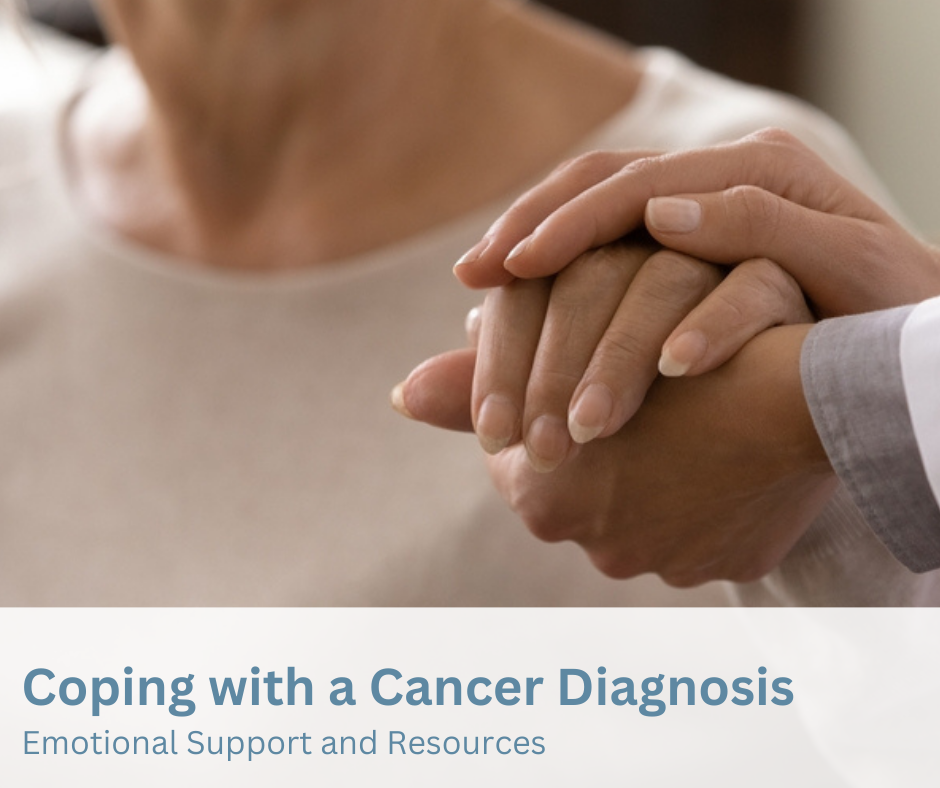
Coping with Cancer During the Holidays

Coping with Cancer During the Holidays

The holiday season is often associated with joy, celebration, and togetherness. However, for those navigating a cancer diagnosis, it can bring a mix of emotions—stress, sadness, and even anxiety. Balancing treatment, family gatherings, and self-care may feel overwhelming, but there are ways to make the season more manageable and meaningful.

Here are some tips for coping with cancer during the holidays:

  1. Prioritize Self-Care

Your well-being comes first. It’s okay to step back from holiday activities if you need rest or quiet time.

  • Listen to your body and give yourself permission to say no to events that feel too demanding.
  • Focus on activities that bring you joy and peace, whether it’s a quiet night with a book, listening to music, or spending time with a close friend.
  1. Communicate with Loved Ones

Open communication with family and friends can help set expectations and alleviate stress.

  • Let them know how you’re feeling and what you’re comfortable with during the holidays.
  • Share your needs, whether it’s shorter visits, quiet gatherings, or help with holiday preparations.
  1. Simplify Traditions

The holidays don’t have to be perfect to be meaningful.

  • Focus on the traditions you value most, and don’t hesitate to delegate tasks like cooking or decorating.
  • Consider alternative ways to celebrate, such as virtual gatherings or smaller, more intimate events.
  1. Maintain Your Health Routine

It’s easy to lose track of routines during the holidays, but maintaining your health is essential.

  • Stick to your treatment schedule and keep up with follow-up appointments.
  • Eat nourishing foods and stay hydrated, especially when indulging in holiday treats.
  1. Seek Support

You don’t have to navigate the season alone.

  • Reach out to support groups, counselors, or your care team for emotional support.
  • Talking to others who understand your experience can provide comfort and perspective.
  1. Embrace Flexibility

Unexpected changes, like low energy or treatment side effects, may affect your plans. Be flexible and kind to yourself if things don’t go as expected.

  • Remind yourself that it’s okay to adjust plans or even skip certain traditions if needed.

Coping with cancer during the holidays can be challenging, but with the right strategies, it’s possible to find moments of comfort and joy.


Hope and Progress in Pancreatic Cancer Treatment and Research

Pancreatic cancer has long been one of the most challenging cancers to treat, but advances in research, treatment, and advocacy are providing new hope. This Pancreatic Cancer Awareness Month, let’s focus on the importance of innovative treatment options and how we can support ongoing research for better patient outcomes.

Current Treatment Options for Pancreatic Cancer

Treatment for pancreatic cancer depends on the stage of the disease, the patient’s health, and whether the cancer is operable. Here’s an overview of the primary treatment methods:

  1. Surgery
    Surgery offers the best chance for a cure, but it’s only an option if the cancer is diagnosed in its early stages and hasn’t spread. Common procedures include:

    • Whipple Procedure (Pancreaticoduodenectomy): Removal of the pancreas head, part of the small intestine, and other nearby structures.
    • Distal or Total Pancreatectomy: Partial or full removal of the pancreas.
  2. Radiation Therapy
    Radiation uses high-energy beams to target cancer cells. It may be used before surgery to shrink a tumor or after surgery to destroy remaining cancer cells.
  3. Chemotherapy
    Chemotherapy, often used in combination with other treatments, targets cancer cells throughout the body. Advanced pancreatic cancer patients may receive chemotherapy to slow the disease’s progression.
  4. Targeted Therapy and Immunotherapy
    Advances in targeted therapies and immunotherapy are showing promise for some pancreatic cancers, particularly those with specific genetic mutations.

The Importance of Clinical Trials

Clinical trials are essential in pancreatic cancer research, as they provide patients with access to the latest treatment innovations. Trials focus on understanding genetic factors, testing new drugs, and improving early detection methods. Patients and families can ask their doctors about available clinical trials as a potential treatment option.

Lifestyle Choices for Prevention and Health Management

While there is no guaranteed way to prevent pancreatic cancer, certain lifestyle choices can reduce risk:

  • Quit Smoking: Smoking is a significant risk factor, and quitting can substantially lower cancer risk.
  • Maintain a Healthy Weight: Obesity is linked to higher pancreatic cancer risk, so a balanced diet and regular exercise are important.
  • Limit Alcohol Intake: Excessive alcohol can lead to chronic pancreatitis, which increases pancreatic cancer risk.
  • Stay Informed: Individuals with a family history of pancreatic cancer should consider genetic counseling and discuss early screening options with a healthcare provider.

Pancreatic Cancer – Understanding the Disease and Its Challenges

November is Pancreatic Cancer Awareness Month, a time to shine a light on one of the deadliest cancers that, despite its severity, receives limited attention. Pancreatic cancer is challenging to diagnose early, spreads quickly, and has a low survival rate. However, awareness and understanding can help in early detection and support ongoing research to improve outcomes.

What is Pancreatic Cancer?

Pancreatic cancer begins in the tissues of the pancreas, an organ located behind the stomach that plays a vital role in digestion and blood sugar regulation. Cancer of the pancreas is usually classified into two main types:

  • Exocrine Tumors: The majority of pancreatic cancers are exocrine tumors, which affect the cells that produce digestive enzymes.
  • Endocrine Tumors: Also known as neuroendocrine tumors, these are rarer and impact the hormone-producing cells of the pancreas, like those producing insulin.

Symptoms of Pancreatic Cancer

One of the biggest challenges with pancreatic cancer is that it’s often “silent” in its early stages. Symptoms usually appear once the disease has progressed, making it harder to treat effectively. Common symptoms include:

  • Persistent abdominal or back pain
  • Jaundice (yellowing of the skin and eyes)
  • Unexplained weight loss and loss of appetite
  • Nausea and vomiting
  • Changes in stool or dark urine
  • New-onset diabetes

If you or someone you know experiences these symptoms, especially in combination, consulting a healthcare professional can be crucial.

Risk Factors for Pancreatic Cancer

While anyone can develop pancreatic cancer, certain factors increase the risk:

  • Age: Most cases occur in people over 60.
  • Smoking: Smokers are at a significantly higher risk of developing pancreatic cancer.
  • Family History and Genetics: A family history of pancreatic cancer or certain genetic syndromes can increase risk.
  • Chronic Conditions: Diabetes and chronic pancreatitis are associated with higher pancreatic cancer risk.
  • Diet and Lifestyle: Diets high in red meat, obesity, and excessive alcohol use can also increase risk.

The Need for Early Detection

Early detection is key to improving survival rates, but this is difficult in pancreatic cancer due to its subtle symptoms. Those at high risk (such as individuals with a strong family history) should talk to their doctors about potential screening options.

Lung Cancer Treatment Options

If you or a loved one is diagnosed with lung cancer, understanding treatment options is essential. Let’s explore the various ways lung cancer can be treated, offering hope and options for those affected.

Surgery, Radiation, and Chemotherapy

  • Surgery: For early-stage lung cancer, surgery may be recommended to remove the tumor, sometimes with surrounding lung tissue. Lobectomy (removal of a lung lobe) is common in NSCLC.
  • Radiation Therapy: This treatment uses high-energy beams to kill cancer cells. It’s effective in shrinking tumors before surgery or as a stand-alone treatment in certain cases.
  • Chemotherapy: Chemotherapy uses drugs to destroy cancer cells. It’s often used in combination with other treatments, especially for more advanced cancer.

Targeted Therapy and Immunotherapy

  • Targeted Therapy: This treatment targets specific cancer cell mutations, like EGFR or ALK. It’s often more effective with fewer side effects for some NSCLC patients.
  • Immunotherapy: Immunotherapy helps the immune system recognize and destroy cancer cells. It’s a powerful tool in advanced lung cancer cases and has shown promising results.

Clinical Trials

Clinical trials can offer patients access to new treatments and drugs. If conventional treatments are not effective, talk to your doctor about clinical trial opportunities, which may provide an alternative path.

Managing Treatment Side Effects

Side effects from lung cancer treatment can include fatigue, nausea, and pain. Speak to your healthcare team about supportive care options that can improve quality of life during treatment.

Lung Cancer Risk Factors and Prevention

Lung Cancer Risk Factors and Prevention

Preventing lung cancer is possible with lifestyle adjustments, risk awareness, and screenings. Here’s what you need to know about the factors that increase lung cancer risk and how to reduce them.

Risk Factors for Lung Cancer

  • Smoking: Smoking is the leading cause of lung cancer, accounting for about 80-90% of cases. Tobacco contains carcinogens that damage lung cells, leading to cancerous mutations.
  • Secondhand Smoke: Even if you don’t smoke, exposure to secondhand smoke significantly raises lung cancer risk.
  • Radon Exposure: Radon, a radioactive gas found in soil, can seep into homes, especially in poorly ventilated spaces. High radon levels increase lung cancer risk.
  • Exposure to Carcinogens: Prolonged exposure to certain chemicals and toxins, like asbestos, arsenic, or diesel exhaust, can increase lung cancer risk.
  • Genetics and Family History: Those with a family history of lung cancer may be genetically predisposed.

Lung Cancer Prevention Tips

  • Quit Smoking: Quitting smoking is the most impactful step. Seek support from a healthcare provider or join smoking cessation programs.
  • Avoid Secondhand Smoke: Encourage a smoke-free home environment and avoid places where you’re likely to inhale smoke.
  • Test for Radon: Radon test kits are available to check your home’s radon levels. If levels are high, remediation can help reduce your risk.
  • Wear Protective Gear: If you work with harmful chemicals, always use protective equipment and follow workplace safety guidelines.

Lifestyle Choices that Support Lung Health

Eating a diet rich in fruits and vegetables, exercising regularly, and maintaining a healthy weight can help bolster your body’s defense against cancer.

Early Screening for Lung Cancer

Early screening is available, especially for those over 50 with a history of smoking. Low-dose CT scans can detect lung cancer in its early stages, when treatment is more effective.