Category

Cancer Awareness

Understanding the Risk Factors for Breast Cancer

Breast cancer can affect anyone, but some individuals are at a higher risk than others. Understanding your risk factors is a critical step in prevention and early detection. In this second part of our Breast Cancer Awareness Month blog series, we’ll dive into the various factors that can increase the likelihood of developing breast cancer.

Genetic Risk Factors

Your genes play a significant role in determining your breast cancer risk. Mutations in specific genes, such as BRCA1 and BRCA2, are known to significantly increase the risk of both breast and ovarian cancer. Women with these mutations may need earlier and more frequent screenings.

Family History

If a close relative, such as a mother, sister, or daughter, has been diagnosed with breast cancer, your risk is higher than average. While not all breast cancer is inherited, family history can provide essential clues about your own risk level. If multiple family members have had breast or ovarian cancer, especially at a young age, you may want to consider genetic counseling.

Lifestyle-Related Risk Factors

Your everyday choices can impact your breast cancer risk. For example:

  • Diet and Weight: Being overweight or obese, especially after menopause, can increase breast cancer risk due to higher levels of estrogen.
  • Alcohol Consumption: Drinking alcohol is associated with an increased risk of breast cancer, and the risk rises with the amount consumed.
  • Smoking: While smoking’s link to breast cancer isn’t as strong as its link to other cancers, some studies suggest that long-term smoking increases the risk, especially in premenopausal women.

Hormonal and Reproductive History

Certain factors related to your menstrual and reproductive history can also affect your breast cancer risk:

  • Early Menstruation: Women who started menstruating before age 12 have a slightly higher risk of breast cancer.
  • Late Menopause: Similarly, women who go through menopause later (after age 55) are at increased risk.
  • Age at First Childbirth: Having your first child after age 30 or never giving birth can increase the risk.

Other Risk Factors

  • Age: The risk of breast cancer increases as you age, with most cases diagnosed in women over 50.
  • Race: While breast cancer is more common in white women, African American women are more likely to be diagnosed with aggressive forms of breast cancer and are more likely to die from the disease.

Know Your Risk

It’s important to understand your personal risk for breast cancer. If you have any concerns about risk factors, talk to your doctor, who can help you develop a tailored plan for monitoring and prevention.

The Importance of Screening for Breast Cancer

October is Breast Cancer Awareness Month, and there’s no better time to discuss one of the most crucial factors in beating this disease: early detection through screening. Regular screenings can dramatically increase the chances of catching breast cancer in its early stages when it’s most treatable.

Why Early Detection Matters

Breast cancer is one of the most common cancers affecting women, but it can often be treated successfully when caught early. Detecting cancer before it spreads can lead to more effective treatment options, less invasive procedures, and a higher chance of survival. Early-stage cancers are generally easier to manage, leading to better outcomes and, often, a full recovery.

Recommended Screening Guidelines

The American Cancer Society recommends that women at average risk of breast cancer start yearly mammograms at age 45, though women aged 40-44 may choose to begin screening early. Women aged 55 and older can switch to mammograms every two years or continue yearly screening.

However, guidelines may vary based on personal or family history, so it’s essential to consult with your healthcare provider to determine the best screening plan for you.

Screening Options

  1. Mammograms: The most common and effective screening tool for breast cancer, mammograms use low-dose X-rays to examine breast tissue for abnormal growths or changes.
  2. Ultrasound: Often used alongside mammograms, especially for women with dense breast tissue, ultrasound uses sound waves to create detailed images of breast tissue.
  3. Breast MRI: A more sensitive test, MRIs are usually recommended for women at high risk of breast cancer. This test can detect cancers that may not be visible on a mammogram.
  4. 3D Mammograms: This advanced screening option provides a more detailed view of the breast tissue and is especially helpful in detecting smaller or early-stage tumors.

What to Expect During Screening

For many women, the thought of a mammogram can be intimidating, but knowing what to expect can ease any concerns. The procedure typically lasts about 20 minutes, and while it may be uncomfortable, it’s generally not painful. It’s a simple step that can save your life.

Myths vs. Facts About Breast Cancer Screening

There are several misconceptions about breast cancer screening. For instance, some believe that mammograms can cause cancer due to radiation exposure, but the radiation from a mammogram is minimal, and the benefits far outweigh the risks. Others think that only women with a family history of breast cancer need screening. In reality, most women diagnosed with breast cancer have no family history.

Take Charge of Your Health

Early detection is key. Talk to your doctor about your risk factors and develop a screening plan tailored to you. Don’t wait—schedule your mammogram today.

The Importance of Screening for Breast Cancer

October is Breast Cancer Awareness Month, and there’s no better time to discuss one of the most crucial factors in beating this disease: early detection through screening. Regular screenings can dramatically increase the chances of catching breast cancer in its early stages when it’s most treatable.

Why Early Detection Matters

Breast cancer is one of the most common cancers affecting women, but it can often be treated successfully when caught early. Detecting cancer before it spreads can lead to more effective treatment options, less invasive procedures, and a higher chance of survival. Early-stage cancers are generally easier to manage, leading to better outcomes and, often, a full recovery.

Recommended Screening Guidelines

The American Cancer Society recommends that women at average risk of breast cancer start yearly mammograms at age 45, though women aged 40-44 may choose to begin screening early. Women aged 55 and older can switch to mammograms every two years or continue yearly screening.

However, guidelines may vary based on personal or family history, so it’s essential to consult with your healthcare provider to determine the best screening plan for you.

Screening Options

  1. Mammograms: The most common and effective screening tool for breast cancer, mammograms use low-dose X-rays to examine breast tissue for abnormal growths or changes.
  2. Ultrasound: Often used alongside mammograms, especially for women with dense breast tissue, ultrasound uses sound waves to create detailed images of breast tissue.
  3. Breast MRI: A more sensitive test, MRIs are usually recommended for women at high risk of breast cancer. This test can detect cancers that may not be visible on a mammogram.
  4. 3D Mammograms: This advanced screening option provides a more detailed view of the breast tissue and is especially helpful in detecting smaller or early-stage tumors.

What to Expect During Screening

For many women, the thought of a mammogram can be intimidating, but knowing what to expect can ease any concerns. The procedure typically lasts about 20 minutes, and while it may be uncomfortable, it’s generally not painful. It’s a simple step that can save your life.

Myths vs. Facts About Breast Cancer Screening

There are several misconceptions about breast cancer screening. For instance, some believe that mammograms can cause cancer due to radiation exposure, but the radiation from a mammogram is minimal, and the benefits far outweigh the risks. Others think that only women with a family history of breast cancer need screening. In reality, most women diagnosed with breast cancer have no family history.

Take Charge of Your Health

Early detection is key. Talk to your doctor about your risk factors and develop a screening plan tailored to you. Don’t wait—schedule your mammogram today.

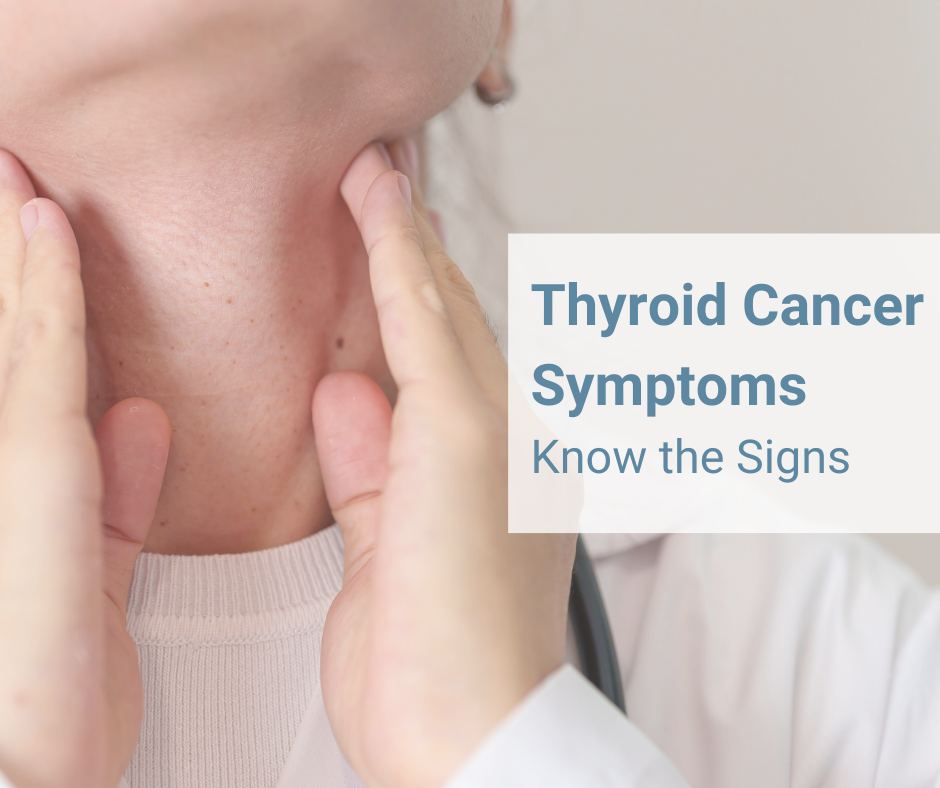
Thyroid Cancer: Symptoms, Diagnosis, and Treatment Options

Thyroid cancer is a type of cancer that originates in the thyroid gland, located at the base of the neck. While it is relatively rare compared to other cancers, its incidence has been increasing in recent years. Early detection and advancements in treatment have improved outcomes, making it essential to understand the basics of thyroid cancer, its symptoms, and available treatment options.

What Is Thyroid Cancer?

The thyroid is a butterfly-shaped gland that produces hormones regulating metabolism, heart rate, and body temperature. Thyroid cancer occurs when abnormal cells in the thyroid gland begin to grow uncontrollably. There are several types of thyroid cancer, including:

  • Papillary Thyroid Cancer: The most common type, which usually grows slowly and often affects younger individuals.
  • Follicular Thyroid Cancer: Generally grows more slowly and may spread to other parts of the body.
  • Medullary Thyroid Cancer: Arises from C cells in the thyroid and may be associated with genetic syndromes.
  • Anaplastic Thyroid Cancer: A rare and aggressive form that tends to grow quickly and is more challenging to treat.

Symptoms of Thyroid Cancer

In its early stages, thyroid cancer may not present noticeable symptoms. However, as the disease progresses, the following signs may appear:

  • A Lump in the Neck: Often the first noticeable symptom, which may be detected during a routine physical exam or self-examination.
  • Swollen Lymph Nodes: Particularly in the neck or upper chest.
  • Difficulty Swallowing: Feeling of pressure or obstruction in the throat.
  • Hoarseness or Voice Changes: Persistent changes in voice that do not improve.
  • Persistent Cough: A cough that does not resolve and is not related to a respiratory infection.
  • Pain in the Neck or Throat: Unexplained and persistent pain.

If you experience any of these symptoms, it is crucial to consult a healthcare provider for evaluation and diagnosis.

Diagnosis of Thyroid Cancer

Diagnosing thyroid cancer involves several steps:

  1. Physical Examination: Your doctor will examine your neck for lumps or swelling.
  2. Ultrasound: A non-invasive imaging test that helps visualize the thyroid gland and identify any abnormal growths.
  3. Fine Needle Aspiration (FNA) Biopsy: A procedure where a thin needle is used to collect a sample of thyroid tissue for microscopic examination.
  4. Blood Tests: To check thyroid hormone levels and other markers that may indicate thyroid dysfunction.
  5. CT Scan or MRI: Imaging tests that help determine if cancer has spread to other areas of the body.

Treatment Options for Thyroid Cancer

Treatment for thyroid cancer depends on the type, stage, and individual patient factors. Common treatment options include:

  1. Surgery
    • Thyroidectomy: Removal of part or all of the thyroid gland. This is often the primary treatment for thyroid cancer and may involve removal of nearby lymph nodes if cancer has spread.
  2. Radioactive Iodine Therapy
    • Purpose: To target and destroy any remaining thyroid cancer cells after surgery. Radioactive iodine is taken orally and is absorbed by thyroid cells, including cancerous ones.
  3. External Beam Radiation Therapy
    • Purpose: To treat cancer that cannot be removed surgically or has spread to other areas. High-energy rays are directed at cancerous tissues.
  4. Targeted Therapy
    • Purpose: To use medications that specifically target cancer cells’ growth and spread. This option is generally used for more advanced cases or specific types of thyroid cancer.
  5. Hormone Therapy
    • Purpose: To replace thyroid hormones that are lost after thyroid removal. This helps maintain normal metabolism and prevent cancer recurrence.

Living with Thyroid Cancer

Living with thyroid cancer involves regular follow-up care to monitor for any recurrence or complications. This includes:

  • Routine Check-Ups: Regular visits to your healthcare provider for monitoring thyroid function and overall health.
  • Blood Tests: To check thyroid hormone levels and detect any signs of recurrence.
  • Lifestyle Adjustments: Maintaining a healthy diet, managing stress, and staying physically active can support overall well-being.

Thyroid cancer, while less common than other cancers, requires careful attention and treatment. Understanding the symptoms, diagnostic process, and available treatments can empower patients and their families to navigate this journey with confidence.

Leukemia & Lymphoma Awareness

September is a pivotal month in cancer awareness, shining a spotlight on leukemia and lymphoma. We are dedicated to providing education, support, and cutting-edge treatments to those affected by these blood cancers. Let’s explore the essentials of leukemia and lymphoma, their symptoms, and the importance of early detection and treatment.

What Are Leukemia and Lymphoma?

Leukemia is a type of cancer that affects the blood and bone marrow. It begins in the bone marrow, where blood cells are produced, and leads to the production of abnormal white blood cells. These cells can crowd out healthy blood cells, affecting the body’s ability to fight infections, control bleeding, and transport oxygen.

Lymphoma is a cancer that begins in the lymphatic system, which is part of the body’s immune system. It primarily affects lymphocytes, a type of white blood cell. There are two main types of lymphoma: Hodgkin lymphoma and non-Hodgkin lymphoma. Each has different characteristics, treatment options, and prognoses.

Symptoms to Watch For

Early detection of leukemia and lymphoma can significantly impact treatment outcomes. Common symptoms include:

  • Leukemia:
    • Persistent fatigue or weakness
    • Unexplained weight loss
    • Frequent infections
    • Easy bruising or bleeding
    • Swollen or painful joints
    • Fever or night sweats
  • Lymphoma:
    • Swollen lymph nodes (often painless) in the neck, armpit, or groin
    • Persistent fever
    • Unexplained weight loss
    • Drenching night sweats
    • Fatigue or feeling weak

If you or a loved one experience any of these symptoms, it’s essential to consult a healthcare provider for a thorough evaluation.

The Importance of Early Detection

Early detection is crucial in the fight against leukemia and lymphoma. The earlier these cancers are diagnosed, the more effective the treatment options can be. Regular check-ups and being vigilant about unusual symptoms can help in catching these conditions early.

Innovative Treatments and Support At our cancer center, we offer a comprehensive approach to treating leukemia and lymphoma, combining the latest in medical advancements with compassionate care. Our team of hematologists and oncologists are experts in:

  • Targeted Therapies: Using medications that specifically target cancer cells, minimizing damage to healthy cells.
  • Chemotherapy: Utilizing powerful drugs to kill or slow the growth of cancer cells.
  • Radiation Therapy: Targeting specific areas with high doses of radiation to eliminate cancer cells.
  • Stem Cell Transplantation: Replacing damaged bone marrow with healthy stem cells to restore normal blood cell production.

In addition to medical treatment, we provide emotional and psychological support to help patients and families cope with the challenges of cancer. Our support services include counseling, patient education, and support groups.

How You Can Get Involved

Raising awareness about leukemia and lymphoma is a crucial step in improving outcomes and supporting research. Here’s how you can make a difference:

  • Educate Yourself and Others: Understanding the signs and symptoms of these cancers can lead to earlier detection and better support.
  • Participate in Awareness Events: Join local or national events dedicated to raising funds and awareness for leukemia and lymphoma research.
  • Support Research: Contributing to organizations that fund research helps in developing new treatments and finding cures.

Leukemia and lymphoma are serious conditions that require timely intervention and comprehensive care. By increasing awareness, we can promote early detection, support those in need, and advance research towards better treatments and eventual cures. We are committed to providing the highest level of care and support for every patient, ensuring they are not alone in their journey.

For more information or to schedule a consultation, please contact us.

Understanding Ovarian Cancer

Ovarian cancer begins in the ovaries, the reproductive glands that produce eggs. It is the fifth most common cancer among women and the deadliest of the gynecologic cancers. One of the challenges with ovarian cancer is that it is often diagnosed at an advanced stage, when it is harder to treat effectively.

Who is at Risk?

While ovarian cancer can affect any woman, certain factors increase the risk:

  • Age: The risk of ovarian cancer increases as a woman ages, with most cases occurring after menopause.
  • Family History: Women with a family history of ovarian, breast, or colorectal cancer are at a higher risk, particularly if the cancer is linked to BRCA1 or BRCA2 gene mutations.
  • Genetic Factors: Inherited mutations in the BRCA1 and BRCA2 genes significantly increase the risk of ovarian cancer. Genetic testing can help identify women at higher risk.
  • Reproductive History: Women who have never been pregnant, or those who started menstruating at an early age or went through menopause late, may have a slightly higher risk.
  • Hormone Replacement Therapy (HRT): Long-term use of HRT, especially if estrogen is taken alone, can increase the risk of ovarian cancer.

Recognizing the Symptoms

Ovarian cancer symptoms are often vague and can be easily attributed to less serious conditions. However, persistent and unusual symptoms should not be ignored. Common symptoms include:

  • Bloating or swelling in the abdomen
  • Pelvic or abdominal pain
  • Difficulty eating or feeling full quickly
  • Urinary urgency or frequency

Other symptoms may include fatigue, back pain, pain during intercourse, and changes in bowel habits. If these symptoms persist for more than a few weeks, it’s important to see a healthcare provider for evaluation.

The Importance of Early Detection

Early detection of ovarian cancer is crucial for improving outcomes. Unfortunately, there is no reliable screening test for ovarian cancer like there is for cervical cancer. However, being vigilant about symptoms and understanding your personal risk factors can make a significant difference.

Women at high risk for ovarian cancer, such as those with a strong family history or known genetic mutations, should discuss risk-reducing strategies with their healthcare provider. These may include:

  • Regular Pelvic Exams: Although they cannot detect ovarian cancer early, pelvic exams can help monitor for abnormalities.
  • Transvaginal Ultrasound (TVUS): A more detailed imaging test that can help detect masses or abnormalities in the ovaries.
  • CA-125 Blood Test: A blood test that measures a protein often elevated in women with ovarian cancer. While not definitive, it can be used in conjunction with other tests for high-risk women.

Prevention and Risk Reduction

While there is no sure way to prevent ovarian cancer, certain lifestyle choices and medical options can reduce the risk:

  • Oral Contraceptives: Long-term use of birth control pills has been shown to reduce the risk of ovarian cancer.
  • Pregnancy and Breastfeeding: Both pregnancy and breastfeeding have been associated with a lower risk of ovarian cancer.
  • Surgical Options: For women at very high risk, prophylactic (preventive) removal of the ovaries and fallopian tubes may be considered to reduce the risk of developing ovarian cancer.

Raising awareness about ovarian cancer is key to improving outcomes. We encourage women to educate themselves, talk to their healthcare providers about their risks, and share this information with others.

Ovarian cancer may be a formidable disease, but knowledge is power. By understanding the risks, recognizing the symptoms, and advocating for your health, you can take proactive steps to protect yourself and others.

If you have concerns about ovarian cancer or want to learn more about your risk factors, contact us. Our team is here to provide the information, support, and care you need to stay healthy and informed.

Understanding Ovarian Cancer

Ovarian cancer begins in the ovaries, the reproductive glands that produce eggs. It is the fifth most common cancer among women and the deadliest of the gynecologic cancers. One of the challenges with ovarian cancer is that it is often diagnosed at an advanced stage, when it is harder to treat effectively.

Who is at Risk?

While ovarian cancer can affect any woman, certain factors increase the risk:

  • Age: The risk of ovarian cancer increases as a woman ages, with most cases occurring after menopause.
  • Family History: Women with a family history of ovarian, breast, or colorectal cancer are at a higher risk, particularly if the cancer is linked to BRCA1 or BRCA2 gene mutations.
  • Genetic Factors: Inherited mutations in the BRCA1 and BRCA2 genes significantly increase the risk of ovarian cancer. Genetic testing can help identify women at higher risk.
  • Reproductive History: Women who have never been pregnant, or those who started menstruating at an early age or went through menopause late, may have a slightly higher risk.
  • Hormone Replacement Therapy (HRT): Long-term use of HRT, especially if estrogen is taken alone, can increase the risk of ovarian cancer.

Recognizing the Symptoms

Ovarian cancer symptoms are often vague and can be easily attributed to less serious conditions. However, persistent and unusual symptoms should not be ignored. Common symptoms include:

  • Bloating or swelling in the abdomen
  • Pelvic or abdominal pain
  • Difficulty eating or feeling full quickly
  • Urinary urgency or frequency

Other symptoms may include fatigue, back pain, pain during intercourse, and changes in bowel habits. If these symptoms persist for more than a few weeks, it’s important to see a healthcare provider for evaluation.

The Importance of Early Detection

Early detection of ovarian cancer is crucial for improving outcomes. Unfortunately, there is no reliable screening test for ovarian cancer like there is for cervical cancer. However, being vigilant about symptoms and understanding your personal risk factors can make a significant difference.

Women at high risk for ovarian cancer, such as those with a strong family history or known genetic mutations, should discuss risk-reducing strategies with their healthcare provider. These may include:

  • Regular Pelvic Exams: Although they cannot detect ovarian cancer early, pelvic exams can help monitor for abnormalities.
  • Transvaginal Ultrasound (TVUS): A more detailed imaging test that can help detect masses or abnormalities in the ovaries.
  • CA-125 Blood Test: A blood test that measures a protein often elevated in women with ovarian cancer. While not definitive, it can be used in conjunction with other tests for high-risk women.

Prevention and Risk Reduction

While there is no sure way to prevent ovarian cancer, certain lifestyle choices and medical options can reduce the risk:

  • Oral Contraceptives: Long-term use of birth control pills has been shown to reduce the risk of ovarian cancer.
  • Pregnancy and Breastfeeding: Both pregnancy and breastfeeding have been associated with a lower risk of ovarian cancer.
  • Surgical Options: For women at very high risk, prophylactic (preventive) removal of the ovaries and fallopian tubes may be considered to reduce the risk of developing ovarian cancer.

Raising awareness about ovarian cancer is key to improving outcomes. We encourage women to educate themselves, talk to their healthcare providers about their risks, and share this information with others.

Ovarian cancer may be a formidable disease, but knowledge is power. By understanding the risks, recognizing the symptoms, and advocating for your health, you can take proactive steps to protect yourself and others.

If you have concerns about ovarian cancer or want to learn more about your risk factors, contact us. Our team is here to provide the information, support, and care you need to stay healthy and informed.

Gynecologic Cancer Awareness: Knowledge and Prevention

September is Gynecologic Cancer Awareness Month, a time dedicated to raising awareness about the five main types of gynecologic cancers: cervical, ovarian, uterine, vaginal, and vulvar. These cancers affect the reproductive organs and can have a profound impact on women’s health. At [Oncology Center Name], we are committed to educating women about these cancers, promoting early detection, and providing comprehensive care for those affected.

Understanding Gynecologic Cancers

Gynecologic cancers can develop in different parts of a woman’s reproductive system. Each type has its own set of risk factors, symptoms, and treatment options:

  • Cervical Cancer: Begins in the cervix, the lower part of the uterus that connects to the vagina. It is often caused by the human papillomavirus (HPV). Regular Pap tests and HPV vaccinations can significantly reduce the risk of cervical cancer.
  • Ovarian Cancer: Starts in the ovaries, which produce eggs and hormones. Often called the “silent killer,” ovarian cancer is challenging to detect early due to its subtle symptoms.
  • Uterine Cancer (Endometrial Cancer): The most common gynecologic cancer, it starts in the lining of the uterus. Postmenopausal bleeding is a key symptom that should not be ignored.
  • Vaginal Cancer: A rare cancer that starts in the vagina, the canal leading from the cervix to the outside of the body. It may cause abnormal bleeding or discharge.
  • Vulvar Cancer: Affects the external genitalia. It often presents as itching, pain, or a lump on the vulva.

The Importance of Early Detection

Early detection is crucial in the fight against gynecologic cancers. When these cancers are found at an early stage, treatment is more likely to be successful. Unfortunately, many gynecologic cancers do not have effective screening tests, making awareness of symptoms and risk factors all the more important.

Women should be vigilant about any changes in their bodies and report unusual symptoms, such as abnormal bleeding, pelvic pain, or changes in bowel or bladder habits, to their healthcare provider.

Risk Factors to Consider

While any woman can develop gynecologic cancer, certain factors can increase the risk:

  • Age: The risk of gynecologic cancers increases with age, particularly after menopause.
  • HPV Infection: Human papillomavirus is a major risk factor for cervical cancer and is also linked to vaginal and vulvar cancers.
  • Family History: A family history of ovarian, breast, or colorectal cancer can increase the risk of ovarian and uterine cancers, especially if there are inherited genetic mutations like BRCA1 or BRCA2.
  • Lifestyle Factors: Smoking, obesity, and a diet high in red meat and processed foods can increase the risk of certain gynecologic cancers.

Preventive Measures and Screenings

There are several steps women can take to reduce their risk of gynecologic cancers:

  • Regular Screenings: Pap tests and HPV tests are essential for early detection of cervical cancer. Women should follow their healthcare provider’s recommendations for screening based on their age and health history.
  • HPV Vaccination: The HPV vaccine is highly effective in preventing infections that can lead to cervical, vaginal, and vulvar cancers. It is recommended for girls and boys starting at age 11 or 12.
  • Healthy Lifestyle Choices: Maintaining a healthy weight, eating a balanced diet, staying active, and avoiding tobacco can lower the risk of gynecologic cancers.
  • Genetic Counseling: Women with a strong family history of ovarian, breast, or colorectal cancer should consider genetic counseling to assess their risk and discuss preventive measures.

Gynecologic Cancer Awareness Month is a time to empower women with the knowledge they need to protect their health. By understanding the risks, recognizing symptoms, and advocating for regular screenings, we can work together to reduce the impact of these cancers.

We are here to provide the highest quality care for women affected by gynecologic cancers. Whether you have questions about screening, treatment, or support, our team is ready to help you every step of the way.


Gynecologic Cancer Awareness: Knowledge and Prevention

September is Gynecologic Cancer Awareness Month, a time dedicated to raising awareness about the five main types of gynecologic cancers: cervical, ovarian, uterine, vaginal, and vulvar. These cancers affect the reproductive organs and can have a profound impact on women’s health. At [Oncology Center Name], we are committed to educating women about these cancers, promoting early detection, and providing comprehensive care for those affected.

Understanding Gynecologic Cancers

Gynecologic cancers can develop in different parts of a woman’s reproductive system. Each type has its own set of risk factors, symptoms, and treatment options:

  • Cervical Cancer: Begins in the cervix, the lower part of the uterus that connects to the vagina. It is often caused by the human papillomavirus (HPV). Regular Pap tests and HPV vaccinations can significantly reduce the risk of cervical cancer.
  • Ovarian Cancer: Starts in the ovaries, which produce eggs and hormones. Often called the “silent killer,” ovarian cancer is challenging to detect early due to its subtle symptoms.
  • Uterine Cancer (Endometrial Cancer): The most common gynecologic cancer, it starts in the lining of the uterus. Postmenopausal bleeding is a key symptom that should not be ignored.
  • Vaginal Cancer: A rare cancer that starts in the vagina, the canal leading from the cervix to the outside of the body. It may cause abnormal bleeding or discharge.
  • Vulvar Cancer: Affects the external genitalia. It often presents as itching, pain, or a lump on the vulva.

The Importance of Early Detection

Early detection is crucial in the fight against gynecologic cancers. When these cancers are found at an early stage, treatment is more likely to be successful. Unfortunately, many gynecologic cancers do not have effective screening tests, making awareness of symptoms and risk factors all the more important.

Women should be vigilant about any changes in their bodies and report unusual symptoms, such as abnormal bleeding, pelvic pain, or changes in bowel or bladder habits, to their healthcare provider.

Risk Factors to Consider

While any woman can develop gynecologic cancer, certain factors can increase the risk:

  • Age: The risk of gynecologic cancers increases with age, particularly after menopause.
  • HPV Infection: Human papillomavirus is a major risk factor for cervical cancer and is also linked to vaginal and vulvar cancers.
  • Family History: A family history of ovarian, breast, or colorectal cancer can increase the risk of ovarian and uterine cancers, especially if there are inherited genetic mutations like BRCA1 or BRCA2.
  • Lifestyle Factors: Smoking, obesity, and a diet high in red meat and processed foods can increase the risk of certain gynecologic cancers.

Preventive Measures and Screenings

There are several steps women can take to reduce their risk of gynecologic cancers:

  • Regular Screenings: Pap tests and HPV tests are essential for early detection of cervical cancer. Women should follow their healthcare provider’s recommendations for screening based on their age and health history.
  • HPV Vaccination: The HPV vaccine is highly effective in preventing infections that can lead to cervical, vaginal, and vulvar cancers. It is recommended for girls and boys starting at age 11 or 12.
  • Healthy Lifestyle Choices: Maintaining a healthy weight, eating a balanced diet, staying active, and avoiding tobacco can lower the risk of gynecologic cancers.
  • Genetic Counseling: Women with a strong family history of ovarian, breast, or colorectal cancer should consider genetic counseling to assess their risk and discuss preventive measures.

Gynecologic Cancer Awareness Month is a time to empower women with the knowledge they need to protect their health. By understanding the risks, recognizing symptoms, and advocating for regular screenings, we can work together to reduce the impact of these cancers.

We are here to provide the highest quality care for women affected by gynecologic cancers. Whether you have questions about screening, treatment, or support, our team is ready to help you every step of the way.


Prostate Cancer Awareness


Prostate cancer is a significant health concern, being the most commonly diagnosed cancer among men, second only to skin cancer. It originates in the prostate gland, which is responsible for producing seminal fluid that nourishes and transports sperm. While many men live with prostate cancer without experiencing severe symptoms, understanding the disease is crucial for effective management and treatment.

Key Aspects of Prostate Cancer

  • What is Prostate Cancer?
    Prostate cancer starts when cells in the prostate gland begin to grow uncontrollably. These abnormal cells can form a tumor, which may grow and potentially spread to other parts of the body, known as metastasis.
  • Risk Factors:
    Several factors can increase the likelihood of developing prostate cancer:

    • Age: The risk increases with age, particularly after 50.
    • Family History: Men with a family history of prostate cancer are at higher risk.
    • Race: Black men are at a higher risk of developing and dying from prostate cancer compared to other racial groups.
    • Lifestyle and Environmental Factors: Exposure to certain chemicals and a high-fat diet may also contribute to increased risk.
  • Symptoms and Early Detection:
    Early-stage prostate cancer often doesn’t present noticeable symptoms. However, as the cancer progresses, symptoms may include:

    • Difficulty urinating or frequent urination
    • Blood in urine or semen
    • Pain in the lower back, hips, or pelvis
    • Unexplained weight loss

Regular screening through PSA (Prostate-Specific Antigen) tests and digital rectal exams (DRE) can help in early detection, potentially leading to more effective treatment outcomes.

Why Awareness Matters

Raising awareness about prostate cancer encourages men to undergo regular screenings and be proactive about their health. Awareness can also foster better understanding among families and support networks, which is vital for those affected by the disease.