Category

Cancer Awareness

Essential Questions to Ask Your Doctor About Prostate Cancer Treatment

Receiving a prostate cancer diagnosis can be overwhelming, but asking the right questions can help you make informed decisions about your care. Here are key questions to consider:

Understanding Your Diagnosis

What is the stage and grade of my cancer?

What are the characteristics of my cancer?

What does my PSA level indicate?

Treatment Options

What treatment options are available?

What are the benefits and risks of each option?

How will each treatment affect my quality of life?

Why is this treatment plan recommended for me?

What are the success rates of this treatment?

Managing Side Effects and Follow-Up

What side effects should I expect?

How will we monitor my progress?

What symptoms should I report immediately?

Being informed about your prostate cancer and treatment options is crucial. Asking these questions will help you understand your condition, explore treatment options, and involve your support system in your care. We are here to support you every step of the way. Contact us for more information and assistance.

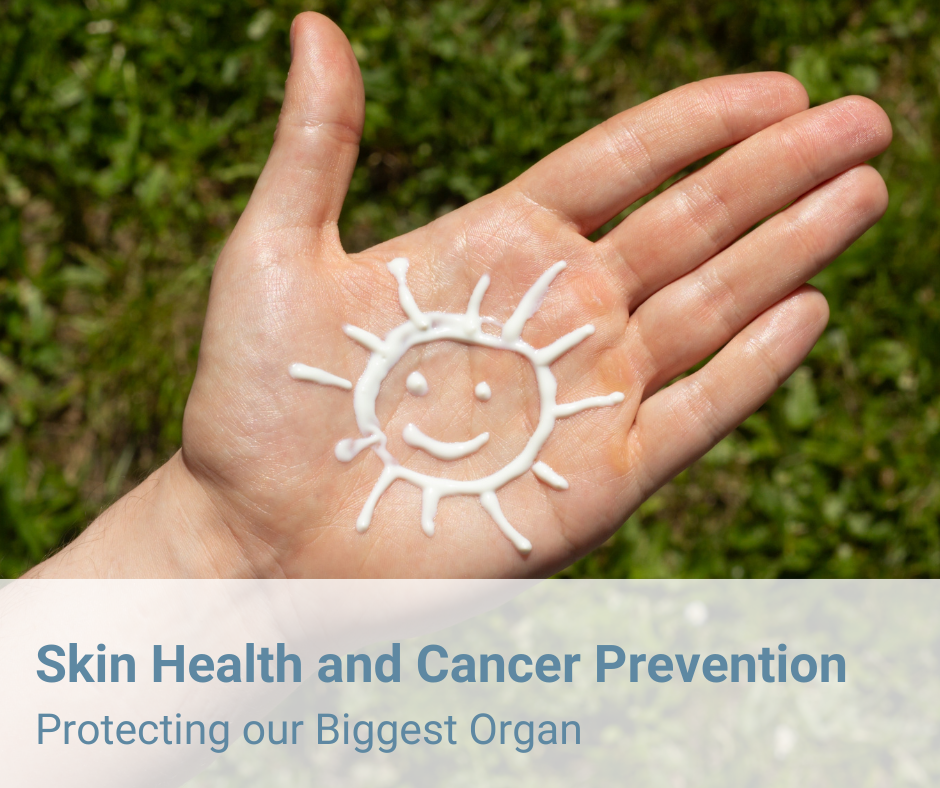
Protecting Our Biggest Organ: Skin Health and Cancer Prevention

Our skin is the body’s largest organ, serving as the first line of defense against environmental factors, regulating body temperature, and playing a crucial role in overall health. Taking proactive steps is essential for protecting your skin against skin cancer.

The Link Between Skin and Cancer

Skin cancer is the most common form of cancer in the United States, with millions of cases diagnosed each year. The primary cause of skin cancer is exposure to ultraviolet (UV) radiation from the sun or tanning beds. There are three main types of skin cancer:

  • Basal Cell Carcinoma (BCC): The most common form, BCCs usually develop on areas of the skin that receive frequent sun exposure, such as the face and neck.
  • Squamous Cell Carcinoma (SCC): SCCs also occur on sun-exposed areas but can be more aggressive than BCCs.
  • Melanoma: The deadliest form of skin cancer, melanoma can develop anywhere on the body, including areas not typically exposed to the sun. Early detection and treatment are critical for a good prognosis.

Protecting Your Skin: Everyday Tips

Taking care of your skin doesn’t have to be complicated. Here are some everyday tips to help you protect your skin and reduce your risk of skin cancer:

  • Use Sunscreen Daily: Choose a broad-spectrum sunscreen with at least SPF 30. Apply it generously to all exposed skin, even on cloudy days, and reapply every two hours if you’re outdoors.
  • Wear Protective Clothing: Long sleeves, wide-brimmed hats, and UV-blocking sunglasses can help shield your skin from harmful UV rays. Look for clothing with a UPF (Ultraviolet Protection Factor) rating for added protection.
  • Avoid Tanning Beds: Tanning beds expose your skin to high levels of UV radiation, increasing your risk of skin cancer. Opt for safer alternatives like self-tanning lotions if you want a sun-kissed glow.
  • Seek Shade: Whenever possible, stay in the shade, especially during peak sun hours between 10 a.m. and 4 p.m. If you’re at the beach or a park, bring along an umbrella or find a tree to sit under.
  • Stay Hydrated: Drinking plenty of water keeps your skin hydrated and can improve its elasticity and overall health. Consider using a moisturizer that suits your skin type to prevent dryness.
  • Regular Skin Checks: Perform regular self-examinations of your skin to monitor for any new or changing moles, freckles, or spots. If you notice anything unusual, schedule an appointment with a dermatologist. Early detection of skin cancer significantly increases the chances of successful treatment.

Advanced Treatments and Support

If you or a loved one is diagnosed with skin cancer, know that we are here to provide the most advanced treatments available. Our expert medical team is equipped to deliver personalized care tailored to your specific needs.

Prioritizing Skin Health

By taking proactive steps to protect your skin, you can reduce your risk of skin cancer.

Protecting Our Biggest Organ: Skin Health and Cancer Prevention

Our skin is the body’s largest organ, serving as the first line of defense against environmental factors, regulating body temperature, and playing a crucial role in overall health. Taking proactive steps is essential for protecting your skin against skin cancer.

The Link Between Skin and Cancer

Skin cancer is the most common form of cancer in the United States, with millions of cases diagnosed each year. The primary cause of skin cancer is exposure to ultraviolet (UV) radiation from the sun or tanning beds. There are three main types of skin cancer:

  • Basal Cell Carcinoma (BCC): The most common form, BCCs usually develop on areas of the skin that receive frequent sun exposure, such as the face and neck.
  • Squamous Cell Carcinoma (SCC): SCCs also occur on sun-exposed areas but can be more aggressive than BCCs.
  • Melanoma: The deadliest form of skin cancer, melanoma can develop anywhere on the body, including areas not typically exposed to the sun. Early detection and treatment are critical for a good prognosis.

Protecting Your Skin: Everyday Tips

Taking care of your skin doesn’t have to be complicated. Here are some everyday tips to help you protect your skin and reduce your risk of skin cancer:

  • Use Sunscreen Daily: Choose a broad-spectrum sunscreen with at least SPF 30. Apply it generously to all exposed skin, even on cloudy days, and reapply every two hours if you’re outdoors.
  • Wear Protective Clothing: Long sleeves, wide-brimmed hats, and UV-blocking sunglasses can help shield your skin from harmful UV rays. Look for clothing with a UPF (Ultraviolet Protection Factor) rating for added protection.
  • Avoid Tanning Beds: Tanning beds expose your skin to high levels of UV radiation, increasing your risk of skin cancer. Opt for safer alternatives like self-tanning lotions if you want a sun-kissed glow.
  • Seek Shade: Whenever possible, stay in the shade, especially during peak sun hours between 10 a.m. and 4 p.m. If you’re at the beach or a park, bring along an umbrella or find a tree to sit under.
  • Stay Hydrated: Drinking plenty of water keeps your skin hydrated and can improve its elasticity and overall health. Consider using a moisturizer that suits your skin type to prevent dryness.
  • Regular Skin Checks: Perform regular self-examinations of your skin to monitor for any new or changing moles, freckles, or spots. If you notice anything unusual, schedule an appointment with a dermatologist. Early detection of skin cancer significantly increases the chances of successful treatment.

Advanced Treatments and Support

If you or a loved one is diagnosed with skin cancer, know that we are here to provide the most advanced treatments available. Our expert medical team is equipped to deliver personalized care tailored to your specific needs.

Prioritizing Skin Health

By taking proactive steps to protect your skin, you can reduce your risk of skin cancer.

Small Lifestyle Changes to Reduce Cancer Risk


Cancer is a word that carries immense weight, affecting millions of lives every year. While it’s true that some risk factors are beyond our control, such as genetics, there are many ways we can actively reduce our risk of developing cancer. By making healthier choices in our daily lives, we can significantly lower our chances of encountering this devastating disease.

Nourish Your Body with a Balanced Diet

What we eat has a profound impact on our overall health. A diet rich in fruits, vegetables, whole grains, and lean proteins can help protect against various types of cancer. Limiting processed foods, red meat, and sugary beverages can also make a big difference. Small dietary changes, like swapping out chips for a handful of nuts or choosing grilled chicken over fried, can add up to major benefits over time.

Get Moving: Physical Activity Matters

Regular physical activity is another crucial component of cancer prevention. Exercise helps maintain a healthy weight, improves immune function, and reduces inflammation—all of which are important in lowering cancer risk. Moderate activities like walking, gardening, or dancing can contribute to a healthier lifestyle. Aim for at least 150 minutes of moderate-intensity exercise each week, and remember, every step counts!

Say No to Tobacco

Tobacco use is the leading cause of cancer and cancer-related deaths. Quitting smoking or avoiding tobacco altogether is one of the most effective ways to protect yourself from cancer. The benefits of quitting are almost immediate—within minutes, your body begins to repair itself, and over time, your risk of developing cancer drops significantly. If you’re struggling to quit, seek support from friends, family, or a healthcare professional.

The Power of Small Changes

It’s important to recognize that small, consistent changes can have a huge impact on your health. Whether it’s choosing an apple over a candy bar, taking the stairs instead of the elevator, or deciding to quit smoking, every positive decision contributes to reducing your cancer risk.

Stay Informed and Spread the Word

Knowledge is power, especially when it comes to cancer prevention. Stay informed about the latest research and recommendations on healthy living. Share this information with your loved ones—your family, friends, and community—so that they too can take steps towards a healthier future.

Remember, the choices you make today can help you live a longer, healthier life.

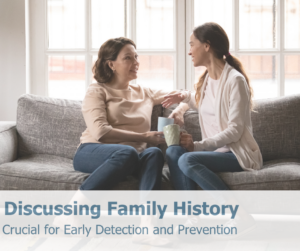
The Importance of Discussing Family History of Cancer

Understanding your family history of cancer is a vital step in cancer prevention, early detection, and effective treatment. Many cancers have genetic components, meaning they can be influenced by inherited genetic mutations. By discussing and knowing your family history, you can take proactive steps to manage your health and reduce your risk of developing cancer.

What is Family History of Cancer?
Family history of cancer refers to the occurrence of cancer within a family, often across multiple generations. This history can include parents, siblings, children, and extended family members such as aunts, uncles, and grandparents. Certain types of cancer, such as breast, ovarian, colorectal, and prostate cancer, are more likely to have a hereditary component.

Why is Family History Important?
– Risk Assessment: Knowing your family history helps in assessing your risk of developing certain types of cancer. If multiple family members have had the same type of cancer, or if cancers occurred at a younger age, your risk may be higher.

– Early Detection: Being aware of your family history can lead to earlier and more frequent screenings. Early detection often means that cancer can be treated more effectively, increasing the chances of successful outcomes.

– Preventive Measures: Understanding your genetic risk can help you take preventive measures, such as lifestyle changes, prophylactic surgeries, or chemoprevention. For instance, individuals with a strong family history of colorectal cancer might start colonoscopies at an earlier age.

– Personalized Treatment: In the event of a cancer diagnosis, knowing your family history can guide personalized treatment plans. Certain genetic mutations may respond better to specific treatments, and this information can be vital for oncologists.

How to Gather Family History Information
– Talk to Relatives: Start by having conversations with family members about their health history, specifically any instances of cancer. Ask about the type of cancer, age at diagnosis, and any treatments they received.

– Medical Records: Whenever possible, obtain medical records to confirm the details. This can help provide accurate information for your healthcare provider.

– Create a Family Tree: Documenting your family history in a visual format, such as a family tree, can help you and your healthcare provider see patterns more clearly.

– Genetic Counseling: If you have a strong family history of cancer, consider speaking with a genetic counselor. They can help assess your risk and may recommend genetic testing to look for specific inherited mutations.

What to Do with This Information
– Share with Your Healthcare Provider: Make sure your doctor is aware of your family history. This information is critical for determining the appropriate screenings and preventive measures.

– Regular Screenings: Based on your family history, your doctor may recommend starting screenings at an earlier age or having them more frequently.

– Healthy Lifestyle: Maintain a healthy lifestyle by eating a balanced diet, exercising regularly, avoiding tobacco, and limiting alcohol consumption. These habits can reduce your overall cancer risk.

– Stay Informed: Keep up to date with the latest research and recommendations related to hereditary cancers. Knowledge is power, and staying informed can help you make better decisions about your health.

Understanding the importance of family history in cancer can empower you to take control of your health. By being proactive, you can reduce your risk, catch potential issues early, and seek personalized treatment if needed. Remember, knowing your family’s cancer history is a vital tool in the fight against cancer, and sharing this information with your healthcare provider is a crucial step in safeguarding your future.

Stay Safe This Summer: Protecting Your Skin from Cancer

As the sun shines brighter and temperatures rise, summer invites us to spend more time outdoors enjoying various activities. However, the increased exposure to the sun’s ultraviolet (UV) rays also heightens the risk of skin cancer, the most common cancer in the United States. Understanding how to protect your skin is crucial for a healthy and enjoyable summer.

Understanding Skin Cancer

Skin cancer occurs when abnormal cells in the skin grow uncontrollably. The main types include:

1. Basal Cell Carcinoma (BCC): The most common and usually the least aggressive type.
2. Squamous Cell Carcinoma (SCC): Can be more aggressive than BCC but is also highly treatable when caught early.
3. Melanoma: The most dangerous form, capable of spreading to other parts of the body. Early detection is key to successful treatment.

The Role of UV Rays
UV rays from the sun and tanning beds are the primary cause of skin cancer. They damage the DNA in skin cells, leading to mutations that can result in cancer. Both UVA and UVB rays contribute to skin damage, including premature aging and sunburns, which are indicators of potential skin cancer risk.

Tips for Protecting Your Skin

Use Sunscreen
Applying a broad-spectrum sunscreen with an SPF of at least 30 is one of the most effective ways to protect your skin. Remember to:

• Apply 15 minutes before going outside.
• Reapply every two hours, or more frequently if swimming or sweating.
• Use a generous amount to cover all exposed skin, including often-missed areas like the ears, back of the neck, and tops of the feet.

Seek Shade
The sun’s rays are strongest between 10 a.m. and 4 p.m. Whenever possible, seek shade during these hours to minimize direct exposure. Trees, umbrellas, and canopies can provide effective protection.

Wear Protective Clothing
Clothing can offer a physical barrier against UV rays. Consider wearing:

• Long-sleeved shirts and long pants made from tightly woven fabric.
• A wide-brimmed hat to protect your face, neck, and ears.
• UV-blocking sunglasses to protect your eyes and the sensitive skin around them.

Avoid Tanning Beds
Tanning beds emit UV radiation that can be even more intense than the sun. Avoiding them altogether is the best choice for your skin’s health.

Stay Hydrated
Hydration helps maintain healthy skin and overall well-being. Drink plenty of water, especially when spending time outdoors.

Regular Skin Checks
Performing regular self-examinations can help detect skin cancer early. Look for new or changing moles, spots, or lesions. The ABCDE rule can help identify potential melanomas:

• Asymmetry: One half of the mole doesn’t match the other.
• Border: Irregular, scalloped, or poorly defined borders.
• Color: Varied colors from one area to another.
• Diameter: Melanomas are usually larger than 6mm (about the size of a pencil eraser) but can be smaller.
• Evolving: Any change in size, shape, color, or symptoms (itching, bleeding).

If you notice anything suspicious, consult a dermatologist promptly.

Enjoying the Sun Safely
While it’s important to protect your skin, you can still enjoy outdoor activities this summer. Here are a few tips to balance sun protection with summer fun:

• Plan outdoor activities for early morning or late afternoon when the sun is less intense.
• Create shaded areas for play and relaxation.
• Incorporate sun protection into your daily routine to make it a habit.

Skin cancer is largely preventable with the right precautions. By adopting sun-safe habits, you can enjoy the summer sun while minimizing your risk. Remember, protecting your skin today can help ensure a healthier tomorrow. Stay safe, stay protected, and enjoy your summer!

Understanding Sarcoma and Bone Cancer

July is National Sarcoma and Bone Cancer Awareness Month, dedicated to increasing understanding of these rare and complex cancers. Sarcomas, which arise in bones and soft tissues, and bone cancers can affect anyone but are often misunderstood. Awareness is key to early detection, better treatment outcomes, and supporting those affected.

What is Sarcoma?
Sarcoma is a broad category of cancers originating in bones and soft tissues, including muscles, fat, blood vessels, nerves, and fibrous tissues. Sarcomas are rare, making up about 1% of adult cancers and 15% of pediatric cancers. They are divided into two main types:

– Bone Sarcomas: These include osteosarcoma, chondrosarcoma, and Ewing’s sarcoma. These cancers primarily affect the long bones in the arms and legs and the pelvis.
– Soft Tissue Sarcomas: These can develop in any part of the body but are most commonly found in the arms, legs, and abdomen. Types include liposarcoma, leiomyosarcoma, and angiosarcoma.

What is Bone Cancer?
Bone cancer specifically refers to malignancies that begin in the bones. Primary bone cancers are rare, and the most common types include:

– Osteosarcoma: Typically affects teenagers and young adults, commonly in the long bones around the knee.
– Chondrosarcoma: Cancer of the cartilage cells, more common in adults.
– Ewing’s Sarcoma: Affects children and young adults, usually starting in the bones or soft tissues around the bones.

Symptoms and Diagnosis

Common Symptoms
Symptoms of sarcoma and bone cancer can vary depending on the tumor’s location and size but often include:
• Persistent pain, often worsening at night
• Swelling or a noticeable lump
• Reduced mobility or function in the affected area
• Unexplained weight loss and fatigue

Diagnosis
Diagnosing these cancers typically involves:
• Imaging Tests: X-rays, CT scans, MRIs, and PET scans to identify the tumor’s location and size.
• Biopsy: A sample of tissue is taken to confirm the presence of cancer cells and determine the type of sarcoma or bone cancer.

Treatment Options
Treatment for sarcoma and bone cancer often requires a combination approach:
• Surgery: The primary treatment to remove the tumor entirely.
• Radiation Therapy: Used before or after surgery to shrink tumors or kill remaining cancer cells.
• Chemotherapy: Particularly useful for certain types of sarcoma and bone cancers.
• Targeted Therapy and Immunotherapy: New treatments targeting specific cancer cells or enhancing the immune response.

Raising awareness about sarcoma and bone cancer is crucial for early detection, better treatments, and supporting those affected. Contact your healthcare provider if you have any questions or concerns.

Important Prostate Cancer Health Tips

Prostate cancer is a serious health concern that affects millions of men worldwide. It’s a diagnosis no one wants to receive, but being armed with the right information and taking proactive steps can significantly improve outcomes and increase the chances of early detection. Below are some essential health tips to help you stay informed and take care of your prostate.

What is prostate cancer?
Prostate cancer occurs when abnormal cells in the prostate gland grow and divide uncontrollably. The prostate gland is a small walnut-shaped organ located below the bladder and in front of the rectum. It produces seminal fluid that nourishes and transports sperm. Prostate cancer is the second most common cancer among men, but the good news is that it is highly treatable if detected early. Understanding the basics of prostate cancer is crucial in taking preventive measures and seeking appropriate medical advice.

Risk factors for prostate cancer
While the exact cause of prostate cancer is still unknown, certain risk factors have been identified. Age is the most significant risk factor, with the majority of cases occurring in men over the age of 65. Other factors include a family history of prostate cancer, ethnicity (African American men have a higher risk), and certain genetic mutations. It’s important to be aware of these risk factors and discuss them with your healthcare provider to determine if you need to take extra precautions.

Symptoms of prostate cancer
Prostate cancer often doesn’t cause noticeable symptoms in its early stages. However, as the disease progresses, symptoms may start to appear. These can include frequent urination, difficulty starting and stopping urination, weak urine flow, blood in the urine or semen, and discomfort in the pelvic area. It’s crucial to pay attention to any changes in urinary habits and report them to your doctor for further evaluation.

Early detection and screening for prostate cancer
Early detection is key to successful treatment and improved outcomes. Regular screening can help identify prostate cancer before symptoms develop. The two main screening tests for prostate cancer are the prostate-specific antigen (PSA) blood test and the digital rectal exam (DRE). The PSA test measures the level of PSA in the blood, while the DRE allows the doctor to examine the prostate gland for any abnormalities. Talk to your doctor about the benefits and limitations of these screening tests and determine the best approach for your individual situation.

Healthy lifestyle choices to reduce the risk of prostate cancer
While certain risk factors for prostate cancer cannot be changed, such as age and family history, adopting a healthy lifestyle can help reduce the risk. Regular exercise, maintaining a healthy weight, and avoiding tobacco products are all factors that contribute to overall prostate health. Additionally, consuming a diet rich in fruits, vegetables, whole grains, and lean proteins can provide essential nutrients and antioxidants that support prostate health. Small changes in your daily habits can make a significant difference in reducing the risk of prostate cancer.

Diet and nutrition tips for prostate cancer prevention
Research suggests that certain dietary choices may have a protective effect against prostate cancer. Adding foods like tomatoes, broccoli, green tea, and fatty fish (such as salmon) to your diet can provide beneficial nutrients that support prostate health. On the other hand, limiting the consumption of red and processed meats, high-fat dairy products, and sugary foods can help reduce the risk. It’s important to consult with a registered dietitian or nutritionist to create a personalized diet plan that suits your individual needs and preferences.

Exercise and physical activity recommendations for prostate cancer patients
Regular exercise and physical activity not only contribute to overall well-being but also play a significant role in managing prostate cancer. Engaging in activities like brisk walking, swimming, cycling, and strength training can help improve muscle strength, reduce fatigue, and promote a healthy body weight. It’s essential to talk to your healthcare team before starting any exercise program to ensure it’s safe and suitable for your specific condition.

Treatment options for prostate cancer
The treatment approach for prostate cancer depends on various factors, including the stage of cancer, overall health, and personal preferences. Treatment options may include active surveillance (monitoring the cancer without immediate treatment), surgery, radiation therapy, hormone therapy, and chemotherapy. Each treatment option carries its own benefits and potential side effects, so it’s crucial to have a thorough discussion with your healthcare provider to make an informed decision about the best course of action for you.

Taking control of your prostate health
Prostate cancer is a significant health concern that requires attention and proactive measures. By understanding the risk factors, recognizing the symptoms, and seeking early detection through regular screenings, you can increase the chances of successful treatment and improved outcomes. Making healthy lifestyle choices, including a balanced diet and regular exercise, further contributes to overall prostate health. Remember to consult with healthcare professionals, stay informed, and utilize available support and resources. By taking control of your prostate health, you’re taking steps towards a healthier future.

The Importance of Prostate Cancer Screening

Prostate cancer is one of the most common cancers among men. Early detection through screening can significantly improve outcomes. Here’s what you need to know about prostate cancer screening.

There are two primary tools for prostate cancer screening and when combined, these screening methods provide a comprehensive evaluation.

Prostate-Specific Antigen (PSA) Test:

  • What It Is: A blood test that measures the level of PSA, a protein produced by the prostate gland.
  • What It Indicates: Higher-than-normal PSA levels can indicate prostate cancer, but also other conditions like an enlarged prostate

Digital Rectal Exam (DRE):

  • What It Is: A physical exam where a doctor feels the prostate gland through the rectum to check for abnormalities.
  • What It Indicates: Abnormalities such as lumps or hard areas might suggest prostate cancer.

Early detection through screening is crucial, as prostate cancer often presents with subtle or no symptoms in its initial stages. Identifying potential concerns early allows for timely intervention and tailored treatment plans.

When to Start Screening

  • General Guidelines: Men should discuss screening with their doctor starting at age 50.
  • Higher Risk Groups: Men at higher risk, including African American men and those with a family history of prostate cancer, should consider starting at age 45.

Benefits and Risks of Screening

  • Benefits:
    • Early detection can lead to early treatment and better outcomes.
    • Can detect cancer before symptoms appear.

Prostate cancer screening is a valuable tool for early detection and can significantly impact treatment outcomes. Discuss your options with your doctor to determine the best screening plan for you. Remember, early detection is key to effective treatment and better health.

The Importance of Prostate Cancer Screening

Prostate cancer is one of the most common cancers among men. Early detection through screening can significantly improve outcomes. Here’s what you need to know about prostate cancer screening.

There are two primary tools for prostate cancer screening and when combined, these screening methods provide a comprehensive evaluation.

Prostate-Specific Antigen (PSA) Test:

  • What It Is: A blood test that measures the level of PSA, a protein produced by the prostate gland.
  • What It Indicates: Higher-than-normal PSA levels can indicate prostate cancer, but also other conditions like an enlarged prostate

Digital Rectal Exam (DRE):

  • What It Is: A physical exam where a doctor feels the prostate gland through the rectum to check for abnormalities.
  • What It Indicates: Abnormalities such as lumps or hard areas might suggest prostate cancer.

Early detection through screening is crucial, as prostate cancer often presents with subtle or no symptoms in its initial stages. Identifying potential concerns early allows for timely intervention and tailored treatment plans.

When to Start Screening

  • General Guidelines: Men should discuss screening with their doctor starting at age 50.
  • Higher Risk Groups: Men at higher risk, including African American men and those with a family history of prostate cancer, should consider starting at age 45.

Benefits and Risks of Screening

  • Benefits:
    • Early detection can lead to early treatment and better outcomes.
    • Can detect cancer before symptoms appear.

Prostate cancer screening is a valuable tool for early detection and can significantly impact treatment outcomes. Discuss your options with your doctor to determine the best screening plan for you. Remember, early detection is key to effective treatment and better health.