Category

Cancer Awareness

The 3 Common Cancers Affecting Men

Men’s Health Month is the perfect time to raise awareness about the health challenges men face and encourage proactive steps towards better health. Among the various health concerns, cancer stands out as a significant threat. The three most common cancers affecting men are prostate cancer, lung cancer, and colorectal cancer. Understanding these cancers, their risk factors, and preventive measures can help men take charge of their health.

Prostate Cancer

Prostate cancer is the most common cancer among men, after skin cancer. It occurs in the prostate gland, which is part of the male reproductive system.

Risk Factors:

  • Age: Risk increases significantly after age 50.
  • Family History: A family history of prostate cancer can double the risk.
  • Race: African-American men are at higher risk.
  • Diet: Diets high in red meat and high-fat dairy products may increase risk.

Symptoms:

  • Difficulty urinating
  • Frequent urination, especially at night
  • Blood in urine or semen
  • Painful ejaculation

Prevention and Early Detection:

  • Regular screenings (PSA tests and digital rectal exams) starting at age 50, or earlier for high-risk groups.
  • Maintain a healthy diet rich in fruits and vegetables.
  • Exercise regularly and maintain a healthy weight.

Lung Cancer

Lung cancer is the leading cause of cancer death among men. It begins in the lungs and is most often associated with smoking.

Risk Factors:

  • Smoking: The primary risk factor for lung cancer.
  • Secondhand Smoke: Exposure to secondhand smoke also increases risk.
  • Exposure to Radon Gas: Radon is a naturally occurring gas that can cause lung cancer.
  • Occupational Hazards: Exposure to asbestos, arsenic, and other carcinogens.

Symptoms:

  • Persistent cough
  • Chest pain
  • Shortness of breath
  • Coughing up blood

Prevention and Early Detection:

  • Quit smoking and avoid secondhand smoke.
  • Test your home for radon and reduce exposure if necessary.
  • Use protective gear if exposed to hazardous materials at work.
  • Regular screening for high-risk individuals  (history of heavy smoking).

Colorectal Cancer

Colorectal cancer affects the colon and rectum. It is the third most common cancer in men and women.

Risk Factors:

  • Age: Most common in people over 50.
  • Family History: Increased risk if a close relative has had colorectal cancer.
  • Diet: Diets high in red meat and processed foods may increase risk.
  • Lifestyle: Lack of physical activity, obesity, smoking, and heavy alcohol use.

Symptoms:

  • Changes in bowel habits (diarrhea or constipation)
  • Blood in stool
  • Abdominal pain or discomfort
  • Unexplained weight loss

Prevention and Early Detection:

  • Regular screenings (colonoscopy) starting at age 45, or earlier for high-risk groups.
  • Maintain a diet high in fiber from fruits, vegetables, and whole grains.
  • Exercise regularly and maintain a healthy weight.
  • Avoid smoking and limit alcohol consumption.

Men’s Health Month is an opportunity to focus on the cancers that significantly impact men: prostate cancer, lung cancer, and colorectal cancer. By understanding the risk factors and symptoms, and prioritizing regular screenings and a healthy lifestyle, men can take proactive steps to reduce their risk and detect these cancers early. Remember, early detection and prevention can save lives.

The 3 Common Cancers Affecting Men

Men’s Health Month is the perfect time to raise awareness about the health challenges men face and encourage proactive steps towards better health. Among the various health concerns, cancer stands out as a significant threat. The three most common cancers affecting men are prostate cancer, lung cancer, and colorectal cancer. Understanding these cancers, their risk factors, and preventive measures can help men take charge of their health.

Prostate Cancer

Prostate cancer is the most common cancer among men, after skin cancer. It occurs in the prostate gland, which is part of the male reproductive system.

Risk Factors:

  • Age: Risk increases significantly after age 50.
  • Family History: A family history of prostate cancer can double the risk.
  • Race: African-American men are at higher risk.
  • Diet: Diets high in red meat and high-fat dairy products may increase risk.

Symptoms:

  • Difficulty urinating
  • Frequent urination, especially at night
  • Blood in urine or semen
  • Painful ejaculation

Prevention and Early Detection:

  • Regular screenings (PSA tests and digital rectal exams) starting at age 50, or earlier for high-risk groups.
  • Maintain a healthy diet rich in fruits and vegetables.
  • Exercise regularly and maintain a healthy weight.

Lung Cancer

Lung cancer is the leading cause of cancer death among men. It begins in the lungs and is most often associated with smoking.

Risk Factors:

  • Smoking: The primary risk factor for lung cancer.
  • Secondhand Smoke: Exposure to secondhand smoke also increases risk.
  • Exposure to Radon Gas: Radon is a naturally occurring gas that can cause lung cancer.
  • Occupational Hazards: Exposure to asbestos, arsenic, and other carcinogens.

Symptoms:

  • Persistent cough
  • Chest pain
  • Shortness of breath
  • Coughing up blood

Prevention and Early Detection:

  • Quit smoking and avoid secondhand smoke.
  • Test your home for radon and reduce exposure if necessary.
  • Use protective gear if exposed to hazardous materials at work.
  • Regular screening for high-risk individuals  (history of heavy smoking).

Colorectal Cancer

Colorectal cancer affects the colon and rectum. It is the third most common cancer in men and women.

Risk Factors:

  • Age: Most common in people over 50.
  • Family History: Increased risk if a close relative has had colorectal cancer.
  • Diet: Diets high in red meat and processed foods may increase risk.
  • Lifestyle: Lack of physical activity, obesity, smoking, and heavy alcohol use.

Symptoms:

  • Changes in bowel habits (diarrhea or constipation)
  • Blood in stool
  • Abdominal pain or discomfort
  • Unexplained weight loss

Prevention and Early Detection:

  • Regular screenings (colonoscopy) starting at age 45, or earlier for high-risk groups.
  • Maintain a diet high in fiber from fruits, vegetables, and whole grains.
  • Exercise regularly and maintain a healthy weight.
  • Avoid smoking and limit alcohol consumption.

Men’s Health Month is an opportunity to focus on the cancers that significantly impact men: prostate cancer, lung cancer, and colorectal cancer. By understanding the risk factors and symptoms, and prioritizing regular screenings and a healthy lifestyle, men can take proactive steps to reduce their risk and detect these cancers early. Remember, early detection and prevention can save lives.

Celebrating National Cancer Survivor Day

Celebrating National Cancer Survivors Day

Today we celebrate National Cancer Survivors Day, honoring the strength and resilience of those who have faced cancer. This day is a testament to the human spirit and a reminder of the progress made in the fight against cancer.

The Importance of National Cancer Survivors Day

National Cancer Survivors Day is more than a celebration; it symbolizes hope and recognizes the journeys of millions of survivors. It honors those who have survived, supports those still battling, and remembers loved ones lost. Survivors’ stories are filled with moments of fear, struggle, and triumph. These narratives remind us that cancer is a battle that can be fought and won, inspiring others to stay strong.

Support Systems: The Backbone of Survivorship

Behind every survivor is a network of support—family, friends, healthcare providers, and support groups. Today, we also acknowledge and thank these unsung heroes.

Living Beyond Cancer

Surviving cancer is a significant milestone, but the journey continues. Survivors often face ongoing challenges, including physical and emotional issues. Continuous support and resources are essential to help them navigate life beyond cancer.

National Cancer Survivors Day is a day of celebration, reflection, and hope. It honors survivors, supports those still fighting, and remembers those we’ve lost. Let’s celebrate life, strength, and the unbreakable human spirit. Happy National Cancer Survivors Day!

Brain Tumor Awareness

Understanding Brain Tumors: Awareness, Risks, and Treatment

Risk Factors of Brain Tumors

Understanding the risk factors associated with brain tumors is crucial, although it’s important to note that most brain tumors do not have a direct known cause. However, some factors that may increase the risk include:

  • Genetic Conditions: Certain genetic syndromes like neurofibromatosis, Von Hippel-Lindau disease, and Li-Fraumeni syndrome can increase the risk of developing brain tumors.
  • Radiation Exposure: Exposure to ionizing radiation through high-dose X-rays (such as radiation therapy aimed at the head) increases the risk of a brain tumor.
  • Family History: Having a family history of brain tumors may increase the likelihood of developing one, though this risk is relatively small.
  • Chemical Exposure: Exposure to certain chemicals, mainly in a work environment, may increase the risk of developing a brain tumor.

Symptoms of Brain Tumors

The symptoms of brain tumors vary widely and depend largely on the tumor’s location, size, and rate of growth. Common symptoms include:

  • Headaches, often more severe in the morning
  • Seizures of various types
  • Personality or memory changes
  • Nausea or vomiting
  • Fatigue
  • Dizziness or unsteadiness
  • Problems with vision, speech, hearing, or smell
  • Changes in ability to walk or perform daily activities

If you experience any of these symptoms persistently, it is crucial to consult with a healthcare professional for evaluation.

Treatment Options for Brain Tumors

Treatment for brain tumors depends on the type, size, and location of the tumor, as well as the patient’s overall health. Common treatment options include:

  • Surgery: Attempting to remove the tumor is often the first step, provided it is located in an accessible area and removal won’t cause excessive damage.
  • Radiation Therapy: High-energy beams, such as X-rays or protons, are used to kill tumor cells, often used when a tumor can’t be completely surgically removed.
  • Chemotherapy: Drug treatments either taken orally or injected into the bloodstream to kill tumor cells.
  • Targeted Drug Therapy: Focuses on specific abnormalities within cancer cells, blocking these and causing the cells to die.
  • Clinical Trials: Participation in clinical trials can provide access to the latest treatment innovations not available elsewhere.

Brain Tumor Awareness Month is a vital time for education and empowerment concerning the understanding of brain tumors. By learning more about the risk factors, recognizing the symptoms, and understanding the available treatments, individuals can better advocate for themselves or their loved ones. Awareness and education are key components in improving outcomes and supporting those impacted by brain tumors.

Prioritizing Mental Health Through Cancer

Mental Health Awareness Month is a crucial time to highlight the psychological impact of chronic illnesses, including cancer. The diagnosis, treatment, and ongoing management of cancer can have significant emotional and psychological effects, not only on patients but also on their families and caregivers. Addressing the mental health needs of those affected by cancer is vital for comprehensive care.

Understanding the Connection

Emotional Impact: A cancer diagnosis can trigger a wide range of emotions, from shock and fear to anger and despair. The uncertainty and fear of recurrence are common among survivors, affecting their mental health long after treatment has ended.

Stress: Dealing with cancer can be incredibly stressful, involving challenging treatment regimens, financial strain, and changes in life plans. Chronic stress can exacerbate mental health issues like depression and anxiety.

Quality of Life: Mental health directly influences the quality of life in cancer patients and survivors. Depression, anxiety, and stress can affect the ability to enjoy life and stay active, and can also impact physical health and recovery.

Strategies to Support Mental Health During Cancer

Professional Support: Psychological counseling or psychotherapy can be beneficial for patients and their families. These services provide strategies to cope with emotional distress and manage the mental health challenges of living with cancer.

Support Groups: Participating in support groups can offer a sense of community and mutual support. Sharing experiences with others who understand can significantly reduce feelings of isolation and helplessness.

Mind-Body Techniques: Practices such as mindfulness, meditation, yoga, and relaxation techniques can help manage anxiety and stress, improve mood, and enhance overall well-being.

Education and Awareness: Educating patients, families, and the public about the mental health challenges associated with cancer can help normalize these experiences and encourage people to seek help. Awareness campaigns during Mental Health Awareness Month can highlight these issues.

Integrated Care: Healthcare providers can offer integrated care that addresses both the physical and mental health needs of cancer patients. This approach recognizes the interconnection between mind and body health.

Mental Health Awareness Month is an opportune time to acknowledge and address the mental health struggles faced by those dealing with cancer. By integrating mental health support into cancer care, providing resources for stress management, and fostering a supportive community, we can help improve the lives of those affected by cancer. This holistic approach not only helps in managing the disease but also improves the overall health outcomes and quality of life for patients and their families.


Prioritizing Mental Health Through Cancer

Mental Health Awareness Month is a crucial time to highlight the psychological impact of chronic illnesses, including cancer. The diagnosis, treatment, and ongoing management of cancer can have significant emotional and psychological effects, not only on patients but also on their families and caregivers. Addressing the mental health needs of those affected by cancer is vital for comprehensive care.

Understanding the Connection

Emotional Impact: A cancer diagnosis can trigger a wide range of emotions, from shock and fear to anger and despair. The uncertainty and fear of recurrence are common among survivors, affecting their mental health long after treatment has ended.

Stress: Dealing with cancer can be incredibly stressful, involving challenging treatment regimens, financial strain, and changes in life plans. Chronic stress can exacerbate mental health issues like depression and anxiety.

Quality of Life: Mental health directly influences the quality of life in cancer patients and survivors. Depression, anxiety, and stress can affect the ability to enjoy life and stay active, and can also impact physical health and recovery.

Strategies to Support Mental Health During Cancer

Professional Support: Psychological counseling or psychotherapy can be beneficial for patients and their families. These services provide strategies to cope with emotional distress and manage the mental health challenges of living with cancer.

Support Groups: Participating in support groups can offer a sense of community and mutual support. Sharing experiences with others who understand can significantly reduce feelings of isolation and helplessness.

Mind-Body Techniques: Practices such as mindfulness, meditation, yoga, and relaxation techniques can help manage anxiety and stress, improve mood, and enhance overall well-being.

Education and Awareness: Educating patients, families, and the public about the mental health challenges associated with cancer can help normalize these experiences and encourage people to seek help. Awareness campaigns during Mental Health Awareness Month can highlight these issues.

Integrated Care: Healthcare providers can offer integrated care that addresses both the physical and mental health needs of cancer patients. This approach recognizes the interconnection between mind and body health.

Mental Health Awareness Month is an opportune time to acknowledge and address the mental health struggles faced by those dealing with cancer. By integrating mental health support into cancer care, providing resources for stress management, and fostering a supportive community, we can help improve the lives of those affected by cancer. This holistic approach not only helps in managing the disease but also improves the overall health outcomes and quality of life for patients and their families.


National Women’s Health Week

National Women’s Health Week serves as a reminder to prioritize their physical and mental health, and overall well-being. This week aims to highlight women’s health issues and priorities and encourage women of all ages to prioritize their physical, mental, and emotional well-being. Join us in this uplifting journey as we dive into everything that makes women’s health so important.

The focus is on the unique health challenges women face, and the aim is to empower women to make their health a top priority and help them understand what steps they can take to improve their health. Here’s how you can participate, raise awareness, and make the most of this important week.

Tips for Participating in Women’s Health Week

Schedule a Check-Up

    • Use this week as a reminder to schedule or attend regular check-ups. Whether it’s a general physical, a mammogram, or a reproductive health exam, staying on top of your screenings is critical for early detection of potential health issues.

Stay Active

    • Regular physical activity is one of the most important things you can do for your health. It can help prevent several diseases, including heart disease, cancer, and stroke. Aim for at least 150 minutes of moderate-intensity aerobic activity or 75 minutes of vigorous activity each week.

Eat Well

    • A balanced diet rich in fruits, vegetables, lean proteins, and whole grains is essential for good health. Reduce your intake of processed foods, sugar, and saturated fats to boost overall health and energy.

Focus on Mental Health

    • Mental health is as vital as physical health, and it’s important to take time to relax and recharge. Consider activities like yoga, meditation, or just spending time on a hobby you love.

Educate Yourself on Health Issues Affecting Women

    • Take time to read up on issues like breast cancer, cervical cancer, mental health, and heart health. Understanding these can help you make informed decisions about your health.

Preventive Care Importance

Preventive care is a key focus during Women’s Health Week. It’s about more than just avoiding illness; it’s about keeping healthy, living longer, and being proactive about your health. This includes:

  • Regular screenings for breast and cervical cancer.
  • Vaccinations that are important for women.
  • Discussion about family planning and safe sex practices.
  • Comprehensive checks for cholesterol levels, blood pressure, and more.

Women’s Health Week is more than a seven-day observance; it’s a reminder that women’s health matters every day. By taking steps to improve your health, advocating for necessary health services, and educating yourself and others, you can make a lasting impact on your well-being and that of other women in your community. Let’s use this week to celebrate health, spread awareness, and take action towards a healthier future for all women.

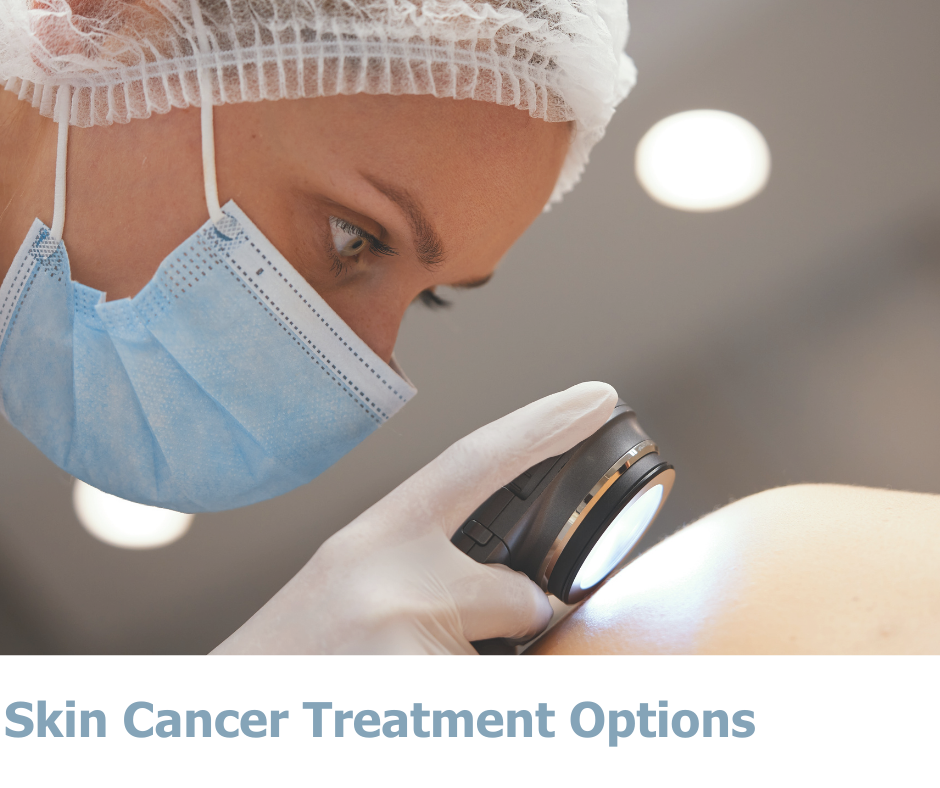
Treatment Options for Skin Cancer

Medical advancements have significantly improved the treatment options available for skin cancer, which is crucial as it remains one of the most common types of cancer worldwide.

Treatment Overview

Surgical Options

    • Excisional Surgery: This is the most common treatment, involving the removal of the cancerous tissue along with some surrounding healthy tissue to ensure completeness.
    • Mohs Micrographic Surgery: Particularly effective for cancers in cosmetically important areas like the face, Mohs surgery involves removing the skin layer by layer, which is then examined under a microscope, continuing until no cancer cells are detected.

Radiation Therapy

    • Used when surgery is not an option or as an adjunct to surgery to destroy any remaining cancerous cells. This method is especially useful for patients with larger cancers or cancers in places where surgery would be difficult.

Cryosurgery

    • Often used for precancerous growths and small skin cancers, cryosurgery involves freezing the cancer cells with liquid nitrogen, causing them to die off. This method is less invasive and has a quicker recovery time than surgical methods.

Topical Treatments

    • Certain creams and gels can be applied directly to the skin. These are best for treating superficial types of skin cancer. They work either by stimulating the body’s immune system to attack cancer cells or by directly killing the cells.

Support Resources

Access to support networks can significantly affect a patient’s journey through treatment and recovery:

  • Cancer Support Groups: These groups provide a platform for sharing experiences and advice, reducing the feeling of isolation.
  • Educational Resources: Websites, pamphlets, and workshops provided by cancer organizations offer invaluable information and guidance.

The journey from diagnosis to treatment of skin cancer is unique for every individual but knowing the variety of available treatments can empower patients to make informed decisions. Regular consultations with healthcare providers, adherence to treatment plans, and a supportive community are key to navigating the challenges of skin cancer.

Skin Cancer Prevention and Early Detection


Detecting skin cancer early can make a significant difference in treatment outcomes. Learn more  about practical steps for prevention and the vital role of early detection. 

Sun Safety Tips Sun protection is crucial in preventing skin cancer:

– Choose the Right Sunscreen: Look for water-resistant, broad-spectrum coverage with an SPF of 30 or higher.

– Apply Generously: Use enough sunscreen to cover all exposed skin. Don’t forget areas like the ears, neck, and tops of feet.

– Reapply Frequently: Sunscreen wears off, especially after swimming or sweating.


Skin Checks Regular skin checks can catch cancer early when it’s most treatable:

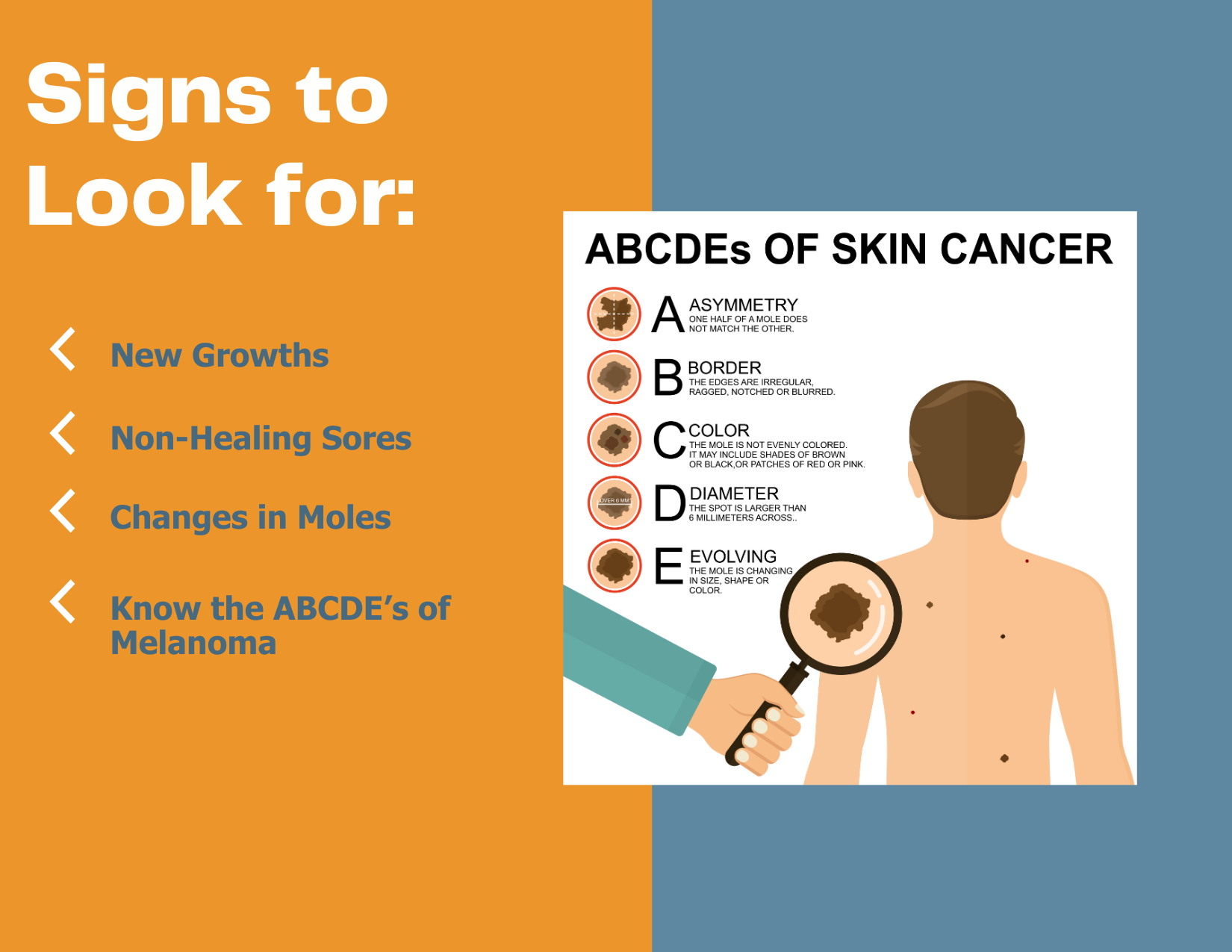
– Self-Exams: Once a month, check your skin for new moles or changes to existing moles. Follow the ABCDEs of melanoma (Asymmetry, Border, Color, Diameter, Evolving).

– Dermatologist Visits: Schedule annual skin exams with a dermatologist, particularly if you’re at higher risk.


Professional Screenings These exams are more thorough than self-exams and can spot potential problems that might be overlooked:

– What to Expect: A dermatologist will examine your skin from head to toe, looking for any signs of cancer.

– Importance: Early detection of skin cancer can lead to more effective treatment and better outcomes.

Incorporate sun safety and regular skin checks into your routine. An ounce of prevention is worth a pound of cure, and early detection is key to fighting skin cancer successfully.

Skin Cancer Prevention and Early Detection


Detecting skin cancer early can make a significant difference in treatment outcomes. Learn more  about practical steps for prevention and the vital role of early detection. 

Sun Safety Tips Sun protection is crucial in preventing skin cancer:

– Choose the Right Sunscreen: Look for water-resistant, broad-spectrum coverage with an SPF of 30 or higher.

– Apply Generously: Use enough sunscreen to cover all exposed skin. Don’t forget areas like the ears, neck, and tops of feet.

– Reapply Frequently: Sunscreen wears off, especially after swimming or sweating.


Skin Checks Regular skin checks can catch cancer early when it’s most treatable:

– Self-Exams: Once a month, check your skin for new moles or changes to existing moles. Follow the ABCDEs of melanoma (Asymmetry, Border, Color, Diameter, Evolving).

– Dermatologist Visits: Schedule annual skin exams with a dermatologist, particularly if you’re at higher risk.


Professional Screenings These exams are more thorough than self-exams and can spot potential problems that might be overlooked:

– What to Expect: A dermatologist will examine your skin from head to toe, looking for any signs of cancer.

– Importance: Early detection of skin cancer can lead to more effective treatment and better outcomes.

Incorporate sun safety and regular skin checks into your routine. An ounce of prevention is worth a pound of cure, and early detection is key to fighting skin cancer successfully.