
Caring for Yourself Through the Holidays
The holiday season can be joyful—but for those facing cancer, it can also feel overwhelming. It’s okay to need support,

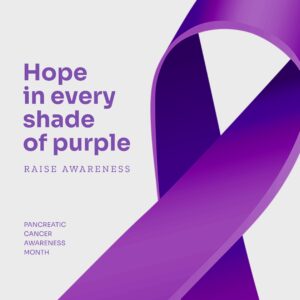
The holiday season can be joyful—but for those facing cancer, it can also feel overwhelming. It’s okay to need support,
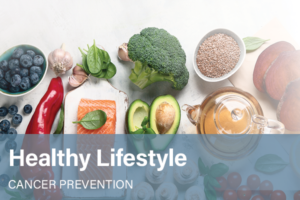
As we commemorate National Cancer Prevention Month, it is crucial to recognize the importance of early detection and screening in

Skin cancer is the most common form of cancer in the United States, and when detected early, it’s also one
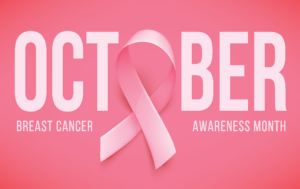
Breast cancer affects millions of lives in the United States alone. We embrace the color pink this month to raise
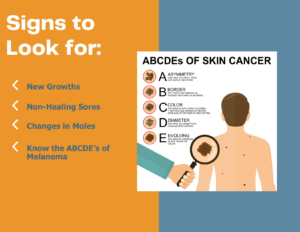
Detecting skin cancer early can make a significant difference in treatment outcomes. Learn more about practical steps for prevention and

Q:
What is skin cancer?
A:
Skin cancer is a condition characterized by the abnormal growth of skin
The holiday season can be joyful—but for those facing cancer, it can also feel overwhelming. It’s okay to need support,

Skin cancer is one of the most common cancers worldwide, but the good news is that it’s also one of the most preventable. With the right habits and awareness, you can significantly reduce your risk and keep your skin healthy for years to come. While early detection plays an important role in successful outcomes, prevention is the first and most powerful step.

At Rocky Mountain Cancer Centers, we are proud to serve our local community with high-quality, patient-focused care tailored to individual needs.
Prostate cancer is one of the most common cancers in men, but early detection can greatly improve outcomes.

At Rocky Mountain Cancer Centers, we are proud to serve our local community with high-quality, patient-focused care tailored to individual needs.
Skin cancer is one of the most common cancers—but also one of the most treatable when caught early.