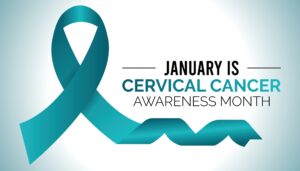
Be Aware: Cervical Cancer Symptoms
Cervical cancer is a serious health condition that affects thousands of women worldwide. Recognizing the symptoms and seeking medical attention

December 21-22, 2024 – Closed
December 23-24, 2024 – Open 8:00 AM – 5:00 PM
December 25, 2024 – Closed
December 26-27, 2024 – Open 8:00 AM – 5:00 PM
December 28-29, 2024 – Closed
December 30-31, 2024 – Open 8:00 AM – 5:00 PM
January 1, 2024 – Closed
January 2-3, 2024 – Open 8:00 AM – 5:00 PM
As of the afternoon of January 23, 2025, our phones are operational. Thank you for your patience as our phone provider experienced a national outage that impacted our phone services on the afternoon of January 22 and the morning of January 23.
Melanoma skin cancer is a type of cancer that affects the melanocytes, the cells that produce pigment in the skin. It is the deadliest form of skin cancer, but it is also one of the most preventable and treatable if detected early.
The primary cause of melanoma skin cancer is exposure to ultraviolet (UV) radiation from the sun or tanning beds. People with fair skin, light-colored eyes, and a history of sunburns or excessive sun exposure are at a higher risk of developing melanoma. Other factors that can increase the risk of melanoma include having a family history of the disease, having many moles or atypical moles, and a weakened immune system.
Melanoma can appear as a new mole or an existing mole that changes in size, shape, or color. It may also have an irregular or asymmetrical shape, ragged edges, and multiple colors or shades. In some cases, it may also bleed or become itchy. Melanoma can occur anywhere on the body, but it is most commonly found on the back, legs, arms, and face.
The best way to prevent melanoma skin cancer is to protect your skin from UV radiation. This can be done by wearing protective clothing, using sunscreen with a high SPF, seeking shade during peak hours of sun exposure, and avoiding tanning beds. It is also important to regularly examine your skin for any new or changing moles and to see a dermatologist if you notice any suspicious changes.
If melanoma is detected early, it can often be treated with surgery to remove the affected area. In more advanced cases, additional treatments such as radiation therapy, chemotherapy, or immunotherapy may be necessary. The prognosis for melanoma depends on the stage and location of the cancer, as well as the overall health of the patient.
Melanoma skin cancer is a serious disease, but it can be prevented and treated if detected early. By protecting your skin from UV radiation and regularly examining your skin for any changes, you can reduce your risk of developing melanoma. If you notice any suspicious moles or changes in your skin, it is important to see a dermatologist or doctor for evaluation and treatment.

Cervical cancer is a serious health condition that affects thousands of women worldwide. Recognizing the symptoms and seeking medical attention


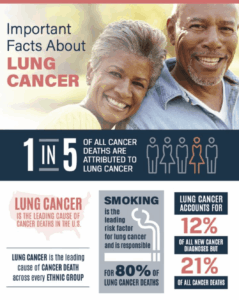
November marks National Lung Cancer Awareness Month, a time dedicated to increasing education, encouraging early detection, and supporting those affected

Thinking about scheduling your prostate cancer screening? One way to test for prostate cancer is a prostate-specific antigen level test,

Navigating the emotional challenges of a cancer diagnosis and treatment requires a proactive approach to mental well-being. We recognize that
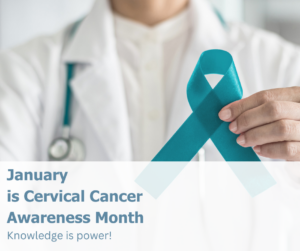
Cervical cancer is a significant health issue affecting women worldwide. According to the American Cancer Society, more than 13,000 women
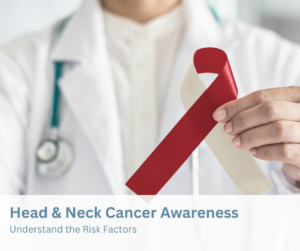
Head and neck cancers are a group of malignancies that affect various structures in the head and neck region, including
Today we celebrate National Cancer Survivors Day, honoring the strength and resilience of those who have faced cancer. This day

Skin cancer is one of the most common cancers worldwide, but the good news is that it’s also one of the most preventable. With the right habits and awareness, you can significantly reduce your risk and keep your skin healthy for years to come. While early detection plays an important role in successful outcomes, prevention is the first and most powerful step.

At Rocky Mountain Cancer Centers, we are proud to serve our local community with high-quality, patient-focused care tailored to individual needs.
Prostate cancer is one of the most common cancers in men, but early detection can greatly improve outcomes.

At Rocky Mountain Cancer Centers, we are proud to serve our local community with high-quality, patient-focused care tailored to individual needs.
Skin cancer is one of the most common cancers—but also one of the most treatable when caught early.