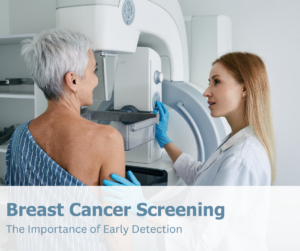
The Importance of Screening for Breast Cancer
October is Breast Cancer Awareness Month, and there’s no better time to discuss one of the most crucial factors in

December 21-22, 2024 – Closed
December 23-24, 2024 – Open 8:00 AM – 5:00 PM
December 25, 2024 – Closed
December 26-27, 2024 – Open 8:00 AM – 5:00 PM
December 28-29, 2024 – Closed
December 30-31, 2024 – Open 8:00 AM – 5:00 PM
January 1, 2024 – Closed
January 2-3, 2024 – Open 8:00 AM – 5:00 PM
As of the afternoon of January 23, 2025, our phones are operational. Thank you for your patience as our phone provider experienced a national outage that impacted our phone services on the afternoon of January 22 and the morning of January 23.
Navigating the emotional challenges of a cancer diagnosis and treatment requires a proactive approach to mental well-being. We recognize that supporting your mental health is crucial for overall recovery and quality of life. Here’s how you can take steps to nurture your mental health during this time.
Understanding the Mental Health Impact
Cancer treatment can be emotionally taxing, leading to feelings of fear, sadness, and uncertainty. These emotional challenges are a natural part of the process and can affect various aspects of your life, including your mood, relationships, and daily activities. Addressing mental health needs can improve your ability to cope with these challenges and enhance your overall experience.
Practical Ways to Support Mental Health
Open Communication:
Share your feelings with trusted family members, friends, or your healthcare team. Honest conversations about your emotional state can provide relief and lead to valuable support and understanding.
Seek Professional Counseling:
A mental health professional can offer specialized support tailored to the challenges of cancer treatment. Therapy can help you develop coping strategies, manage stress, and work through emotional issues.
Engage in Support Groups:
Joining a support group can connect you with others who are facing similar experiences. These groups offer a sense of community, emotional support, and practical advice from those who understand what you’re going through.
Practice Mindfulness and Relaxation:
Techniques such as mindfulness, meditation, and deep breathing can reduce stress and promote relaxation. These practices help you stay grounded and manage anxiety more effectively.
Maintain a Healthy Routine:
Establishing a daily routine can provide structure and stability. Incorporate activities that you enjoy and that contribute to your well-being, such as hobbies, light exercise, and relaxation time.
Prioritize Self-Care:
Taking time for self-care is essential. Whether it’s a warm bath, reading a favorite book, or enjoying a nature walk, engage in activities that bring you comfort and joy.
Stay Active and Engaged:
Physical activity, even in moderation, can boost your mood and energy levels. Gentle exercises like walking or yoga can help alleviate stress and improve your overall outlook.
Set Small, Achievable Goals:
Focus on setting realistic and attainable goals for yourself. Achieving these small goals can provide a sense of accomplishment and control, contributing positively to your mental state.
Use Relaxation Apps:
There are numerous apps designed to help with relaxation, meditation, and sleep. Explore these tools to find ones that work for you and integrate them into your daily routine.
Connect with Others:
Maintaining relationships with friends and family can provide emotional support and distraction from treatment-related stress. Social connections play a vital role in sustaining mental well-being.
Mental health is an integral part of your cancer treatment journey. By actively addressing your emotional well-being, you can enhance your overall quality of life and better manage the challenges of treatment.

October is Breast Cancer Awareness Month, and there’s no better time to discuss one of the most crucial factors in

The holiday season can be joyful—but for those facing cancer, it can also feel overwhelming. It’s okay to need support,

Follow-up appointments are an important part of staying healthy. Whether you’re managing a condition, monitoring progress, or simply keeping up

Sleep is an essential aspect of our lives that is often overlooked. While we sleep, our body and mind recharge,

November is Pancreatic Cancer Awareness Month, a time to shine a light on one of the deadliest cancers that, despite
Cervical cancer is a serious health condition that affects thousands of women worldwide. Recognizing the symptoms and seeking medical attention
As we honor National Cancer Prevention Month, it is important to know the factors that can contribute to the development

Skin cancer is one of the most common cancers worldwide, but the good news is that it’s also one of the most preventable. With the right habits and awareness, you can significantly reduce your risk and keep your skin healthy for years to come. While early detection plays an important role in successful outcomes, prevention is the first and most powerful step.

At Rocky Mountain Cancer Centers, we are proud to serve our local community with high-quality, patient-focused care tailored to individual needs.
Prostate cancer is one of the most common cancers in men, but early detection can greatly improve outcomes.

At Rocky Mountain Cancer Centers, we are proud to serve our local community with high-quality, patient-focused care tailored to individual needs.
Skin cancer is one of the most common cancers—but also one of the most treatable when caught early.