
Head and Neck Cancer Awareness
Head and neck cancers are a group of malignancies that affect various structures in the head and neck region, including

December 21-22, 2024 – Closed
December 23-24, 2024 – Open 8:00 AM – 5:00 PM
December 25, 2024 – Closed
December 26-27, 2024 – Open 8:00 AM – 5:00 PM
December 28-29, 2024 – Closed
December 30-31, 2024 – Open 8:00 AM – 5:00 PM
January 1, 2024 – Closed
January 2-3, 2024 – Open 8:00 AM – 5:00 PM
As of the afternoon of January 23, 2025, our phones are operational. Thank you for your patience as our phone provider experienced a national outage that impacted our phone services on the afternoon of January 22 and the morning of January 23.
Cervical cancer is a significant health concern for women worldwide. However, with advancements in medical science, early diagnosis and effective treatment options have led to improved outcomes for patients. In this blog, we will delve into the diagnosis and treatment of cervical cancer, shedding light on the crucial steps in the fight against this disease.
Diagnosis of Cervical Cancer
Pap Smear – One of the primary methods for early detection of cervical cancer is through a Pap smear. This simple test involves collecting cells from the cervix to identify any abnormal changes. Regular Pap smears can detect precancerous cells, allowing for timely intervention.
HPV Test – Human papillomavirus (HPV) is a primary cause of cervical cancer. Testing for high-risk strains of HPV can help identify women at risk of developing cervical cancer, prompting further evaluation and monitoring.
Biopsy
If abnormalities are detected during a Pap smear or HPV test, a biopsy may be performed to confirm the presence of cancerous cells. A small sample of cervical tissue is collected to determine the presence of cancer.
Treatment of Cervical Cancer
Surgery
● Conization: In cases of early-stage cervical cancer, a cone-shaped piece of tissue containing the cancerous cells may be removed. This procedure, known as conization, aims to eradicate cancer while preserving fertility.
● Hysterectomy: For more advanced stages of cervical cancer, a hysterectomy may be recommended, involving the surgical removal of the uterus and, in some cases, other reproductive organs.
Radiation therapy, often used in conjunction with surgery, utilizes high-energy X-rays or other particles to target and destroy cancer cells.
Chemotherapy kills cancer cells through the administration of medication, typically injected into a vein. It may be administered alone or in combination with radiation therapy. Chemotherapy can help shrink tumors and prevent cancer from spreading.
Early detection through regular screenings and prompt intervention are crucial in the battle against cervical cancer. By understanding the diagnostic methods and treatment options available, women can take proactive steps to safeguard their health. Our team of dedicated physicians and healthcare professionals are here to support you every step of the way. Contact us to learn more about cervical cancer or schedule an appointment today.

Head and neck cancers are a group of malignancies that affect various structures in the head and neck region, including


January is Cervical Cancer Awareness Month, a time to shed light on the importance of early detection and preventive measures

As the sun shines brighter and temperatures rise, summer invites us to spend more time outdoors enjoying various activities. However,

July is Sarcoma and Bone Cancer Awareness Month—a time to shed light on a group of rare but serious cancers

January is Cervical Cancer Awareness Month, a time to shed light on the importance of early detection and preventive measures

Ovarian cancer is often called the “silent cancer” because its early symptoms can be mistaken for other conditions. Understanding risk
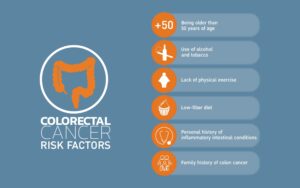
Colorectal cancer, is influenced by genetic, lifestyle, and environmental factors. Understanding its causes and risk factors is key for prevention

Skin cancer is one of the most common cancers worldwide, but the good news is that it’s also one of the most preventable. With the right habits and awareness, you can significantly reduce your risk and keep your skin healthy for years to come. While early detection plays an important role in successful outcomes, prevention is the first and most powerful step.

At Rocky Mountain Cancer Centers, we are proud to serve our local community with high-quality, patient-focused care tailored to individual needs.
Prostate cancer is one of the most common cancers in men, but early detection can greatly improve outcomes.

At Rocky Mountain Cancer Centers, we are proud to serve our local community with high-quality, patient-focused care tailored to individual needs.
Skin cancer is one of the most common cancers—but also one of the most treatable when caught early.