
Follow-Up Care After Breast Cancer
Completing breast cancer treatment is a huge milestone, but your care doesn’t stop there. Follow-up care helps ensure your recovery

Completing breast cancer treatment is a huge milestone, but your care doesn’t stop there. Follow-up care helps ensure your recovery
Navigating life after colorectal cancer treatment can be challenging, but with the right resources and support, individuals can thrive in
Head and neck cancers are a group of malignancies that affect various structures in the head and neck region, including
Men’s Health Month is the perfect time to raise awareness about the health challenges men face and encourage proactive steps

At Rocky Mountain Cancer Centers, we are proud to serve our local community with high-quality, patient-focused care tailored to individual
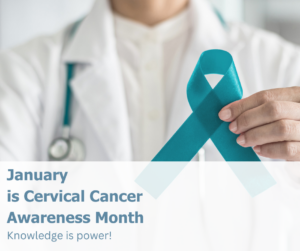
Cervical cancer is a significant health issue affecting women worldwide. According to the American Cancer Society, more than 13,000 women

A cancer diagnosis brings more than just physical challenges—it also affects emotional and mental health. It’s completely normal to feel

Skin cancer is one of the most common cancers worldwide, but the good news is that it’s also one of the most preventable. With the right habits and awareness, you can significantly reduce your risk and keep your skin healthy for years to come. While early detection plays an important role in successful outcomes, prevention is the first and most powerful step.

At Rocky Mountain Cancer Centers, we are proud to serve our local community with high-quality, patient-focused care tailored to individual needs.
Prostate cancer is one of the most common cancers in men, but early detection can greatly improve outcomes.
At Rocky Mountain Cancer Centers, we are proud to serve our local community with high-quality, patient-focused care tailored to individual needs.
Skin cancer is one of the most common cancers—but also one of the most treatable when caught early.