Holiday Hours:

December 21-22, 2024 – Closed

December 23-24, 2024 – Open 8:00 AM – 5:00 PM

December 25, 2024 – Closed

December 26-27, 2024 – Open 8:00 AM – 5:00 PM

December 28-29, 2024 – Closed

December 30-31, 2024 – Open 8:00 AM – 5:00 PM

January 1, 2024 – Closed

January 2-3, 2024 – Open 8:00 AM – 5:00 PM

As of the afternoon of January 23, 2025, our phones are operational. Thank you for your patience as our phone provider experienced a national outage that impacted our phone services on the afternoon of January 22 and the morning of January 23.

Doctor's Blog

Protect Your Skin Today for a Healthier Tomorrow

Skin cancer is one of the most common cancers worldwide, but the good news is that it’s also one of the most preventable. With the right habits and awareness, you can significantly reduce your risk and keep your skin healthy for years to come. While early detection plays an important role in successful outcomes, prevention is the first and most powerful step.


Read More »

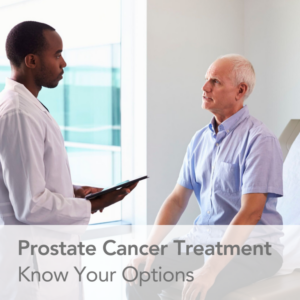
Prostate Cancer: Understanding Risk and Screening

At Rocky Mountain Cancer Centers, we are proud to serve our local community with high-quality, patient-focused care tailored to individual needs.

Prostate cancer is one of the most common cancers in men, but early detection can greatly improve outcomes.

Read More »
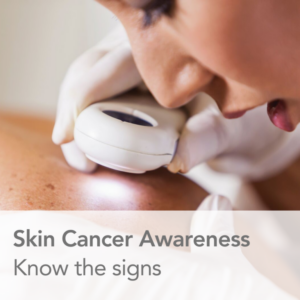
skin cancer awareness image

What to Watch For and Why Early Detection Matters

At Rocky Mountain Cancer Centers, we are proud to serve our local community with high-quality, patient-focused care tailored to individual needs.

Skin cancer is one of the most common cancers—but also one of the most treatable when caught early.

Read More »
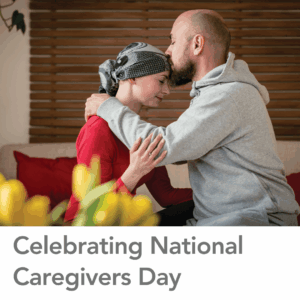
National caregivers day

Honoring Caregivers

February is a time to recognize the caregivers who stand beside patients through every stage of cancer care. From diagnosis to treatment and beyond, caregivers provide emotional support, practical help, and steady encouragement during some of life’s most difficult moments.

Read More »
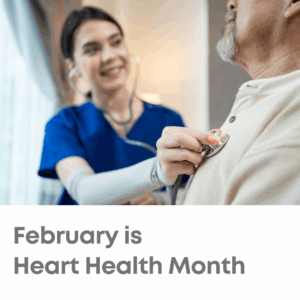
heart health month

Heart Health Month

February is Heart Health Month, and protecting cardiovascular health is an important part of cancer care. Modern oncology focuses not only on treating cancer, but also supporting overall wellness during and after treatment.

Read More »
ncpm

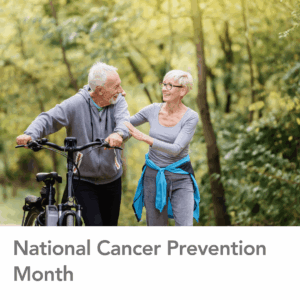
National Cancer Prevention Month

National Cancer Prevention Month is a reminder that many cancers are influenced by daily habits. While not every diagnosis can be prevented, research shows a significant number of cancers are linked to modifiable risk factors — meaning small, consistent changes can make a real difference.

Read More »
staying on schedule

Why Follow-Up Matters

Follow-up appointments are an important part of staying healthy. Whether you’re managing a condition, monitoring progress, or simply keeping up with routine care, these visits help your healthcare team make sure everything is on track.

Read More »
ending the year strong

Ending the Year with Strength: Survivorship

December is a time of reflection, and for many survivors, it’s a chance to acknowledge how far they’ve come. Survivorship is more than finishing treatment—it’s learning to live well, stay empowered, and continue thriving.

Read More »
coping with fatigue

Coping With Fatigue During Cancer Treatment

Fatigue is one of the most common—and frustrating—side effects of cancer treatment. It’s more than feeling tired; it’s a profound lack of energy that rest alone can’t fix. The good news: there are proven strategies to help.

Read More »
questions to ask after breast cancer treatment

Follow-Up Care After Breast Cancer

Completing breast cancer treatment is a huge milestone, but your care doesn’t stop there. Follow-up care helps ensure your recovery stays on track, monitors for recurrence, and supports your overall health and well-being.

Read More »
hope and healing

Breast Cancer Treatment Options

A breast cancer diagnosis can feel overwhelming, but today’s treatment options are more effective and personalized than ever before. The right plan depends on the type, stage, and biology of the cancer, as well as a patient’s overall health and preferences.

Read More »