National Cancer Prevention Month: Steps to Lower Your Risk
February is National Cancer Prevention Month, a time to raise awareness about the steps we can all take to reduce

December 21-22, 2024 – Closed
December 23-24, 2024 – Open 8:00 AM – 5:00 PM
December 25, 2024 – Closed
December 26-27, 2024 – Open 8:00 AM – 5:00 PM
December 28-29, 2024 – Closed
December 30-31, 2024 – Open 8:00 AM – 5:00 PM
January 1, 2024 – Closed
January 2-3, 2024 – Open 8:00 AM – 5:00 PM
As of the afternoon of January 23, 2025, our phones are operational. Thank you for your patience as our phone provider experienced a national outage that impacted our phone services on the afternoon of January 22 and the morning of January 23.
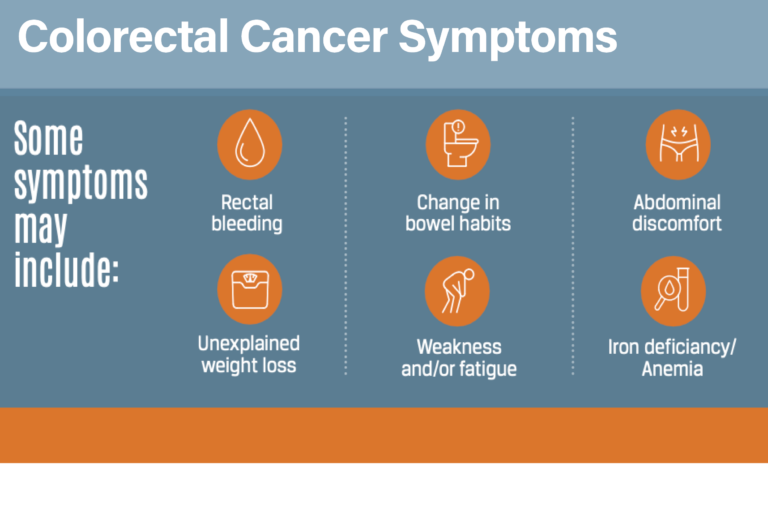
Colorectal cancer is a prevalent and potentially life-threatening disease, but it’s often treatable when detected early. Recognizing the symptoms of colorectal cancer is crucial for prompt diagnosis and intervention. Below are signs and symptoms of colorectal cancer to be aware of, emphasizing the importance of paying attention to your body and seeking medical attention if any concerning symptoms arise.
Common Symptoms of Colorectal Cancer:
Changes in Bowel Habits: Persistent changes in bowel habits, such as diarrhea, constipation, or changes in stool consistency, may indicate colorectal cancer. Pay attention to any unusual or unexplained changes in your bathroom routine.
Rectal Bleeding: Blood in the stool or rectal bleeding is a common symptom of colorectal cancer. While rectal bleeding may be caused by other conditions, such as hemorrhoids or anal fissures, it’s essential to consult a healthcare professional to rule out colorectal cancer.
Abdominal Discomfort: Persistent abdominal pain, cramping, or discomfort, particularly if it’s accompanied by other symptoms, should be evaluated by a doctor. Colorectal cancer can cause abdominal discomfort as tumors grow and press on surrounding tissues.
Unexplained Weight Loss: Unintentional weight loss, especially if it occurs rapidly and without changes in diet or exercise, can be a red flag for colorectal cancer. Cancer-related weight loss may be due to a combination of factors, including loss of appetite, changes in metabolism, and cancer-related fatigue.
Fatigue: Fatigue or weakness that doesn’t improve with rest is another potential symptom of colorectal cancer. Cancer-related fatigue can be debilitating and may interfere with daily activities, so it’s essential to address it promptly.
When to Seek Medical Attention:
If you experience any of the symptoms mentioned above, it’s crucial to consult a healthcare professional promptly. While these symptoms may not always indicate colorectal cancer, they should not be ignored, as early detection can significantly improve treatment outcomes. Your doctor can perform a thorough evaluation, including physical examination, medical history review, and diagnostic tests, to determine the underlying cause of your symptoms.
Don’t hesitate to consult a healthcare professional if you experience any concerning symptoms. Remember, early detection saves lives.

February is National Cancer Prevention Month, a time to raise awareness about the steps we can all take to reduce

November marks National Lung Cancer Awareness Month, a time dedicated to increasing education, encouraging early detection, and supporting those affected

Receiving a prostate cancer diagnosis can be overwhelming, but asking the right questions can help you make informed decisions about

Sleep is a key part of healing, especially during cancer treatment. Your body uses this time to restore itself, manage
November is Lung Cancer Awareness Month. Lung cancer doesn’t discriminate; it affects both smokers and non-smokers, emphasizing the importance of
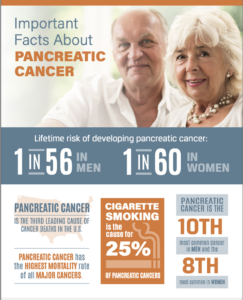
Pancreatic cancer has long been one of the most challenging cancers to treat, but advances in research, treatment, and advocacy
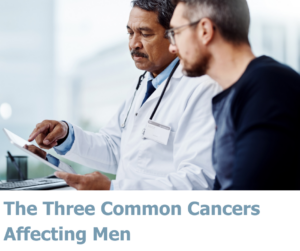
Men’s Health Month is the perfect time to raise awareness about the health challenges men face and encourage proactive steps

Skin cancer is one of the most common cancers worldwide, but the good news is that it’s also one of the most preventable. With the right habits and awareness, you can significantly reduce your risk and keep your skin healthy for years to come. While early detection plays an important role in successful outcomes, prevention is the first and most powerful step.

At Rocky Mountain Cancer Centers, we are proud to serve our local community with high-quality, patient-focused care tailored to individual needs.
Prostate cancer is one of the most common cancers in men, but early detection can greatly improve outcomes.

At Rocky Mountain Cancer Centers, we are proud to serve our local community with high-quality, patient-focused care tailored to individual needs.
Skin cancer is one of the most common cancers—but also one of the most treatable when caught early.