September is Gynecologic Cancer Awareness Month, a time dedicated to raising awareness about the five main types of gynecologic cancers: cervical, ovarian, uterine, vaginal, and vulvar. These cancers affect the reproductive organs and can have a profound impact on women’s health. At Bardmoor Cancer Center, we are committed to educating women about these cancers, promoting early detection, and providing comprehensive care for those affected.
Understanding Gynecologic Cancers
Gynecologic cancers can develop in different parts of a woman’s reproductive system. Each type has its own set of risk factors, symptoms, and treatment options:
- Cervical Cancer: Begins in the cervix, the lower part of the uterus that connects to the vagina. It is often caused by the human papillomavirus (HPV). Regular Pap tests and HPV vaccinations can significantly reduce the risk of cervical cancer.
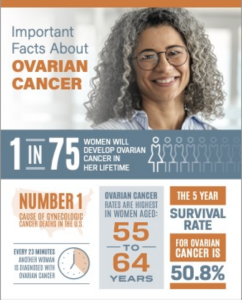
- Ovarian Cancer: Starts in the ovaries, which produce eggs and hormones. Often called the “silent killer,” ovarian cancer is challenging to detect early due to its subtle symptoms.
- Uterine Cancer (Endometrial Cancer): The most common gynecologic cancer, it starts in the lining of the uterus. Postmenopausal bleeding is a key symptom that should not be ignored.
- Vaginal Cancer: A rare cancer that starts in the vagina, the canal leading from the cervix to the outside of the body. It may cause abnormal bleeding or discharge.
- Vulvar Cancer: Affects the external genitalia. It often presents as itching, pain, or a lump on the vulva.
The Importance of Early Detection
Early detection is crucial in the fight against gynecologic cancers. When these cancers are found at an early stage, treatment is more likely to be successful. Unfortunately, many gynecologic cancers do not have effective screening tests, making awareness of symptoms and risk factors all the more important.
Women should be vigilant about any changes in their bodies and report unusual symptoms, such as abnormal bleeding, pelvic pain, or changes in bowel or bladder habits, to their healthcare provider.
Risk Factors to Consider
While any woman can develop gynecologic cancer, certain factors can increase the risk:
- Age: The risk of gynecologic cancers increases with age, particularly after menopause.
- HPV Infection: Human papillomavirus is a major risk factor for cervical cancer and is also linked to vaginal and vulvar cancers.
- Family History: A family history of ovarian, breast, or colorectal cancer can increase the risk of ovarian and uterine cancers, especially if there are inherited genetic mutations like BRCA1 or BRCA2.
- Lifestyle Factors: Smoking, obesity, and a diet high in red meat and processed foods can increase the risk of certain gynecologic cancers.
Preventive Measures and Screenings
There are several steps women can take to reduce their risk of gynecologic cancers:
- Regular Screenings: Pap tests and HPV tests are essential for early detection of cervical cancer. Women should follow their healthcare provider’s recommendations for screening based on their age and health history.
- HPV Vaccination: The HPV vaccine is highly effective in preventing infections that can lead to cervical, vaginal, and vulvar cancers. It is recommended for girls and boys starting at age 11 or 12.
- Healthy Lifestyle Choices: Maintaining a healthy weight, eating a balanced diet, staying active, and avoiding tobacco can lower the risk of gynecologic cancers.
- Genetic Counseling: Women with a strong family history of ovarian, breast, or colorectal cancer should consider genetic counseling to assess their risk and discuss preventive measures.
Gynecologic Cancer Awareness Month is a time to empower women with the knowledge they need to protect their health. By understanding the risks, recognizing symptoms, and advocating for regular screenings, we can work together to reduce the impact of these cancers.
We are here to provide the highest quality care for women affected by gynecologic cancers. Whether you have questions about screening, treatment, or support, our team is ready to help you every step of the way.