Leukemia & Lymphoma Awareness
September is a pivotal month in cancer awareness, shining a spotlight on leukemia and lymphoma. We are dedicated to providing

(All Locations)
Wednesday, Nov. 25: 8 AM – 5 PM Thursday, Nov. 26: Closed Friday, Nov. 27: Closed
Thursday, Dec. 24: 8 AM – 4 PM Friday, Dec. 25: Closed
Thursday, Dec. 31: 8 AM – 5 PM Friday, Jan. 1: Closed
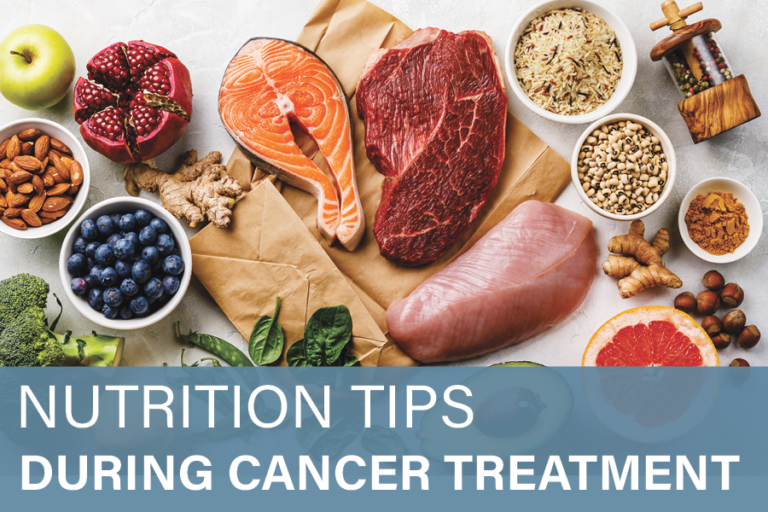
Cancer and its treatments can significantly impact your nutrition and overall well-being. Weight loss and undernutrition are common due to a loss of appetite and other factors that affect eating. Severe undernutrition can compromise the function of vital organs such as the heart, liver, and kidneys, and impair your ability to heal from surgery, chemotherapy, and radiation side effects. Ensuring you get the right nutrients is crucial for maintaining your quality of life during this challenging time. Here are some tips to help boost your nutrition:
Opt for Several Small Meals a Day
Instead of three large meals, try eating several small meals throughout the day. This approach can make it easier to consume more calories and nutrients without feeling overwhelmed by a large plate of food.
Prioritize High-Protein Foods
When your appetite is at its peak, start your meal with high-protein foods. Protein is essential for maintaining muscle mass and supporting recovery. Foods such as beans, chicken, fish, meat, yogurt, and eggs are excellent choices to include in your diet.
Eat Your Largest Meal When You Feel Hungriest
Identify the time of day when you feel most hungry and make that your largest meal. Whether it’s breakfast, lunch, or dinner, take advantage of your hunger to consume the most calories and nutrients at that time.
Keep Food Interesting
Variety is key to keeping your meals appealing. Experiment with different recipes, seasonings, and cooking methods to find new flavors and textures. Eating at nice restaurants occasionally can also provide a pleasant change of environment and stimulate your appetite.
Keep Favorite and High-Calorie Foods Accessible
Stock up on your favorite foods and high-calorie snacks and beverages. Keeping these items readily available at home and in other places you frequently visit can encourage you to eat more regularly. High-calorie options can help you meet your nutritional needs even if you’re eating smaller portions.
Maintaining proper nutrition during cancer treatment is vital for your overall health and recovery. By implementing these tips, you can help manage weight loss and undernutrition, ensuring your body gets the nutrients it needs to support vital functions and enhance your quality of life. Always consult with your healthcare team for personalized advice and guidance on your nutritional needs during treatment. Remember, small, consistent efforts can make a significant difference in your health and well-being.

September is a pivotal month in cancer awareness, shining a spotlight on leukemia and lymphoma. We are dedicated to providing

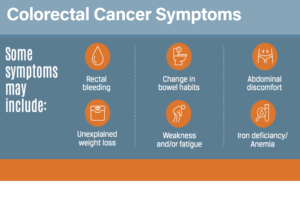
Colorectal cancer is a prevalent and potentially life-threatening disease, but it’s often treatable when detected early. Recognizing the symptoms of
February is Heart Health Month, and protecting cardiovascular health is an important part of cancer care. Modern oncology focuses not
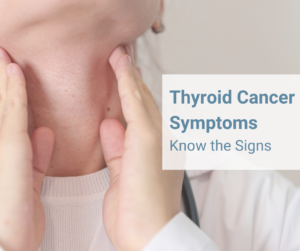
Thyroid cancer is a type of cancer that originates in the thyroid gland, located at the base of the neck.
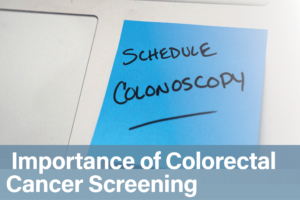
Colorectal cancer screening is crucial for early detection and improved outcomes. Here’s why it matters and the screening options available:
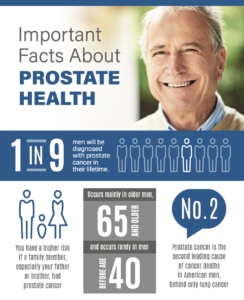
Prostate cancer is a serious health concern that affects millions of men worldwide. It’s a diagnosis no one wants to
Cervical cancer is a significant health concern for women worldwide. However, with advancements in medical science, early diagnosis and effective

Skin cancer is one of the most common cancers worldwide, but the good news is that it’s also one of the most preventable. With the right habits and awareness, you can significantly reduce your risk and keep your skin healthy for years to come. While early detection plays an important role in successful outcomes, prevention is the first and most powerful step.

At Rocky Mountain Cancer Centers, we are proud to serve our local community with high-quality, patient-focused care tailored to individual needs.
Prostate cancer is one of the most common cancers in men, but early detection can greatly improve outcomes.

At Rocky Mountain Cancer Centers, we are proud to serve our local community with high-quality, patient-focused care tailored to individual needs.
Skin cancer is one of the most common cancers—but also one of the most treatable when caught early.