Alcohol Can Cause At Least 7 Types of Cancer
Alcohol, often celebrated in various cultures, is also associated with increased risks of several cancers. As we observe Alcohol Awareness

December 21-22, 2024 – Closed
December 23-24, 2024 – Open 8:00 AM – 5:00 PM
December 25, 2024 – Closed
December 26-27, 2024 – Open 8:00 AM – 5:00 PM
December 28-29, 2024 – Closed
December 30-31, 2024 – Open 8:00 AM – 5:00 PM
January 1, 2024 – Closed
January 2-3, 2024 – Open 8:00 AM – 5:00 PM
As of the afternoon of January 23, 2025, our phones are operational. Thank you for your patience as our phone provider experienced a national outage that impacted our phone services on the afternoon of January 22 and the morning of January 23.
A breast cancer diagnosis can be overwhelming, but today’s medical advances offer many treatment options tailored to each patient’s unique needs.
Understanding the Stages of Breast Cancer
Before determining a treatment plan, your oncologist will evaluate the stage of breast cancer. The stage describes the extent of the cancer and helps guide treatment decisions. Early-stage breast cancers (stages 0 and 1) may require less aggressive treatments, while more advanced cancers (stages 2-4) may involve a combination of therapies.
Surgical Options
Surgery is often the first line of treatment for breast cancer. The two primary surgical options include:
Depending on the type of surgery, reconstructive surgery may also be an option to restore the appearance of the breast.
Radiation Therapy
Radiation therapy uses high-energy rays to target and destroy cancer cells. It’s often used after surgery to eliminate any remaining cancer cells. Radiation may also be recommended for later-stage cancers or if the cancer has spread to nearby tissues.
Chemotherapy
Chemotherapy involves the use of drugs to kill cancer cells or stop them from growing. It’s often used for advanced or aggressive cancers, either before surgery (to shrink the tumor) or after surgery (to kill remaining cancer cells). Chemotherapy can also be used if cancer has spread beyond the breast.
Hormone Therapy
Hormone-receptor-positive breast cancers rely on hormones like estrogen or progesterone to grow. Hormone therapy works by blocking the body’s natural hormones or lowering their levels to prevent cancer growth. Common hormone therapies include tamoxifen and aromatase inhibitors.
Targeted Therapy
Targeted therapies attack specific molecules involved in cancer growth, making them more precise than chemotherapy. HER2-positive breast cancers, for example, can be treated with targeted drugs, which directly blocks the HER2 protein that fuels cancer growth.
Immunotherapy
Immunotherapy is a newer treatment option that uses the body’s immune system to fight cancer. Immunotherapy may be an option for certain types of breast cancer, particularly triple-negative breast cancer.
Choosing the Right Treatment Plan
Choosing a treatment plan is a deeply personal decision. Your oncologist will consider several factors, including the type and stage of cancer, your overall health, and your preferences. It’s important to have open conversations with your healthcare team about your options, potential side effects, and what to expect during treatment.

Alcohol, often celebrated in various cultures, is also associated with increased risks of several cancers. As we observe Alcohol Awareness


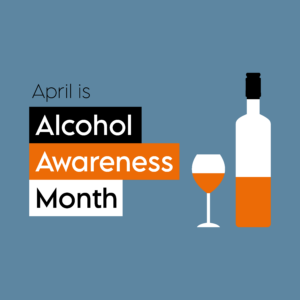
April is Alcohol Awareness Month—an important time to understand how alcohol consumption affects cancer risk. Regular alcohol use is linked

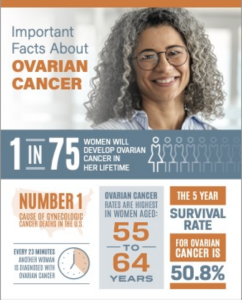
Ovarian cancer begins in the ovaries, the reproductive glands that produce eggs. It is the fifth most common cancer among

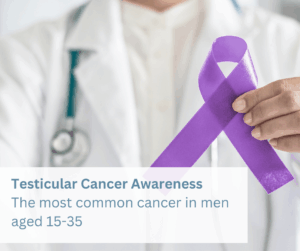
Testicular cancer is the most common cancer in men between the ages of 15 and 35. While rare overall, it

Melanoma skin cancer is a type of cancer that affects the melanocytes, the cells that produce pigment in the skin.

Lymphoma is a type of cancer that originates in the lymphatic system, a vital part of the body’s immune system.

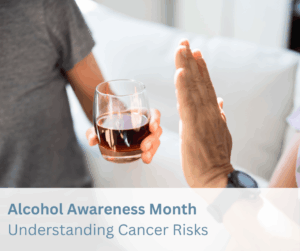
Alcohol, often celebrated in various cultures, is also associated with increased risks of several cancers. As we observe Alcohol Awareness
Skin cancer is one of the most common cancers worldwide, but the good news is that it’s also one of the most preventable. With the right habits and awareness, you can significantly reduce your risk and keep your skin healthy for years to come. While early detection plays an important role in successful outcomes, prevention is the first and most powerful step.

At Rocky Mountain Cancer Centers, we are proud to serve our local community with high-quality, patient-focused care tailored to individual needs.
Prostate cancer is one of the most common cancers in men, but early detection can greatly improve outcomes.

At Rocky Mountain Cancer Centers, we are proud to serve our local community with high-quality, patient-focused care tailored to individual needs.
Skin cancer is one of the most common cancers—but also one of the most treatable when caught early.