The Importance of Discussing Family History of Cancer
Understanding your family history of cancer is a vital step in cancer prevention, early detection, and effective treatment. Many cancers

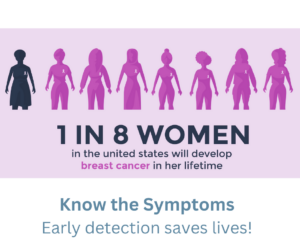
Understanding your family history of cancer is a vital step in cancer prevention, early detection, and effective treatment. Many cancers

Summer brings sunshine, warmth, and outdoor fun—but for those undergoing cancer treatment, it also brings added challenges. Heat and humidity
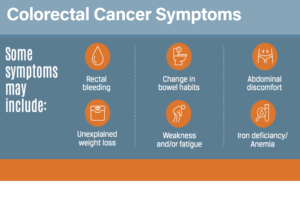
Colorectal cancer is a prevalent and potentially life-threatening disease, but it’s often treatable when detected early. Recognizing the symptoms of
While some risk factors are beyond our control, understanding the factors that increase the likelihood of developing Cervical cancer can

Nutrition plays a vital role in maintaining strength and supporting the immune system during cancer treatment. As we enter the

Prostate cancer is one of the most common cancers among men. Early detection through screening can significantly improve outcomes. Here’s
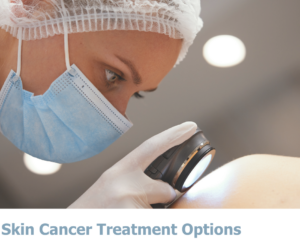
Medical advancements have significantly improved the treatment options available for skin cancer, which is crucial as it remains one of

Skin cancer is one of the most common cancers worldwide, but the good news is that it’s also one of the most preventable. With the right habits and awareness, you can significantly reduce your risk and keep your skin healthy for years to come. While early detection plays an important role in successful outcomes, prevention is the first and most powerful step.

At Rocky Mountain Cancer Centers, we are proud to serve our local community with high-quality, patient-focused care tailored to individual needs.
Prostate cancer is one of the most common cancers in men, but early detection can greatly improve outcomes.

At Rocky Mountain Cancer Centers, we are proud to serve our local community with high-quality, patient-focused care tailored to individual needs.
Skin cancer is one of the most common cancers—but also one of the most treatable when caught early.