Holiday Hours:

December 21-22, 2024 – Closed

December 23-24, 2024 – Open 8:00 AM – 5:00 PM

December 25, 2024 – Closed

December 26-27, 2024 – Open 8:00 AM – 5:00 PM

December 28-29, 2024 – Closed

December 30-31, 2024 – Open 8:00 AM – 5:00 PM

January 1, 2024 – Closed

January 2-3, 2024 – Open 8:00 AM – 5:00 PM

As of the afternoon of January 23, 2025, our phones are operational. Thank you for your patience as our phone provider experienced a national outage that impacted our phone services on the afternoon of January 22 and the morning of January 23.

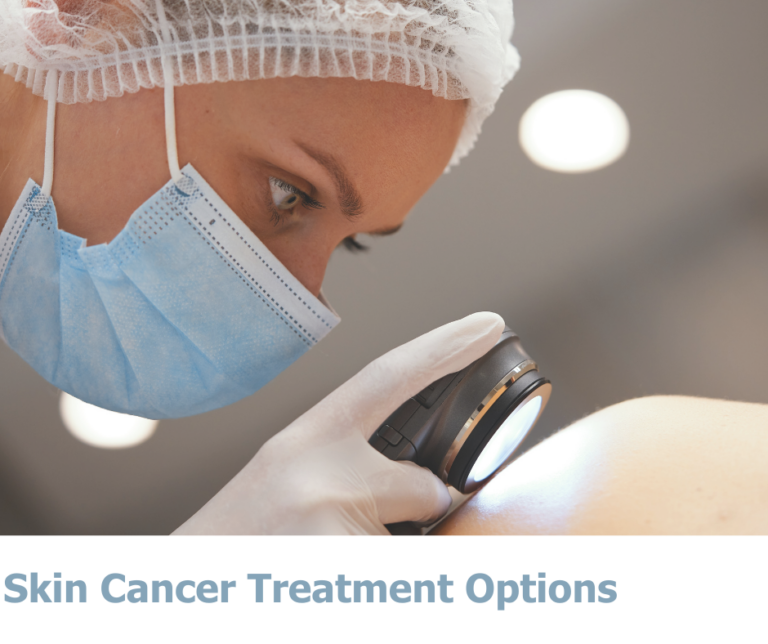
Treatment Options for Skin Cancer

skin cancer treatment

Medical advancements have significantly improved the treatment options available for skin cancer, which is crucial as it remains one of the most common types of cancer worldwide.

Treatment Overview

  1. Surgical Options
    • Excisional Surgery: This is the most common treatment, involving the removal of the cancerous tissue along with some surrounding healthy tissue to ensure completeness.
    • Mohs Micrographic Surgery: Particularly effective for cancers in cosmetically important areas like the face, Mohs surgery involves removing the skin layer by layer, which is then examined under a microscope, continuing until no cancer cells are detected.
  2. Radiation Therapy
    • Used when surgery is not an option or as an adjunct to surgery to destroy any remaining cancerous cells. This method is especially useful for patients with larger cancers or cancers in places where surgery would be difficult.
  3. Cryosurgery
    • Often used for precancerous growths and small skin cancers, cryosurgery involves freezing the cancer cells with liquid nitrogen, causing them to die off. This method is less invasive and has a quicker recovery time than surgical methods.
  4. Topical Treatments
    • Certain creams and gels can be applied directly to the skin. These are best for treating superficial types of skin cancer. They work either by stimulating the body’s immune system to attack cancer cells or by directly killing the cells.


Support Resources Access to support networks can significantly affect a patient’s journey through treatment and recovery:

  • Cancer Support Groups: These groups provide a platform for sharing experiences and advice, reducing the feeling of isolation.
  • Educational Resources: Websites, pamphlets, and workshops provided by cancer organizations offer invaluable information and guidance.


The journey from diagnosis to treatment of skin cancer is unique for every individual but knowing the variety of available treatments can empower patients to make informed decisions. Regular consultations with healthcare providers, adherence to treatment plans, and a supportive community are key to navigating the challenges of skin cancer.

Contact Us

Other Articles

Like What You See? Share With A Friend!

Latest Doctor's Blog Articles

Protect Your Skin Today for a Healthier Tomorrow

Skin cancer is one of the most common cancers worldwide, but the good news is that it’s also one of the most preventable. With the right habits and awareness, you can significantly reduce your risk and keep your skin healthy for years to come. While early detection plays an important role in successful outcomes, prevention is the first and most powerful step.

Read More »

Prostate Cancer: Understanding Risk and Screening

At Rocky Mountain Cancer Centers, we are proud to serve our local community with high-quality, patient-focused care tailored to individual needs.
Prostate cancer is one of the most common cancers in men, but early detection can greatly improve outcomes.

Read More »
skin cancer awareness image

What to Watch For and Why Early Detection Matters

At Rocky Mountain Cancer Centers, we are proud to serve our local community with high-quality, patient-focused care tailored to individual needs.

Skin cancer is one of the most common cancers—but also one of the most treatable when caught early.

Read More »