Know the Power of Pink: Breast Cancer Awareness Month
Breast cancer affects millions of lives in the United States alone. We embrace the color pink this month to raise

December 21-22, 2024 – Closed
December 23-24, 2024 – Open 8:00 AM – 5:00 PM
December 25, 2024 – Closed
December 26-27, 2024 – Open 8:00 AM – 5:00 PM
December 28-29, 2024 – Closed
December 30-31, 2024 – Open 8:00 AM – 5:00 PM
January 1, 2024 – Closed
January 2-3, 2024 – Open 8:00 AM – 5:00 PM
As of the afternoon of January 23, 2025, our phones are operational. Thank you for your patience as our phone provider experienced a national outage that impacted our phone services on the afternoon of January 22 and the morning of January 23.
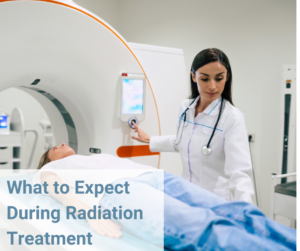
Here’s an overview of what to expect during your radiation therapy journey:
Radiation therapy is a highly targeted treatment that uses high-energy rays to destroy cancer cells. It’s designed to minimize damage to surrounding healthy tissue while effectively treating the cancer site. Depending on your diagnosis, radiation therapy may be used alone or in combination with other treatments like chemotherapy or surgery.
Your journey begins with a consultation. During this visit:
Once you’ve decided to proceed with radiation therapy, a simulation appointment will be scheduled. During this session, a specialized team will map the treatment area using imaging technology. This ensures the radiation targets the cancer precisely while sparing healthy tissues.
Radiation therapy is typically delivered in daily sessions, Monday through Friday, over several weeks. Here’s what you can expect during each treatment:
While radiation therapy is highly targeted, it may cause side effects, which vary depending on the treatment area. Common side effects include:
Your care team will provide tips and support to help you manage these side effects effectively.
Throughout your treatment, regular check-ins with your radiation oncologist and care team will ensure that everything is progressing as planned. If you have concerns or new symptoms, your team is here to address them promptly.

Breast cancer affects millions of lives in the United States alone. We embrace the color pink this month to raise

Skin cancer is one of the most common cancers worldwide, but the good news is that it’s also one of
November is Lung Cancer Awareness Month. Lung cancer doesn’t discriminate; it affects both smokers and non-smokers, emphasizing the importance of
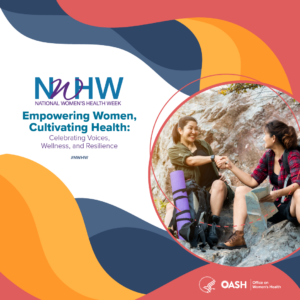
National Women’s Health Week serves as a reminder to prioritize their physical and mental health, and overall well-being. This week

As we usher in the new year, it’s the perfect time to reflect on our health and make positive changes.
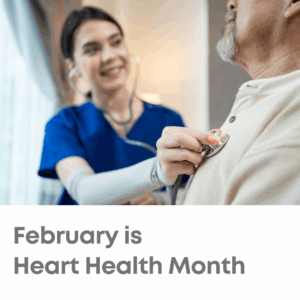
February is Heart Health Month, and protecting cardiovascular health is an important part of cancer care. Modern oncology focuses not
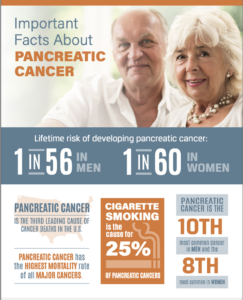
Pancreatic cancer has long been one of the most challenging cancers to treat, but advances in research, treatment, and advocacy

Skin cancer is one of the most common cancers worldwide, but the good news is that it’s also one of the most preventable. With the right habits and awareness, you can significantly reduce your risk and keep your skin healthy for years to come. While early detection plays an important role in successful outcomes, prevention is the first and most powerful step.

At Rocky Mountain Cancer Centers, we are proud to serve our local community with high-quality, patient-focused care tailored to individual needs.
Prostate cancer is one of the most common cancers in men, but early detection can greatly improve outcomes.

At Rocky Mountain Cancer Centers, we are proud to serve our local community with high-quality, patient-focused care tailored to individual needs.
Skin cancer is one of the most common cancers—but also one of the most treatable when caught early.
