Heart Health Month
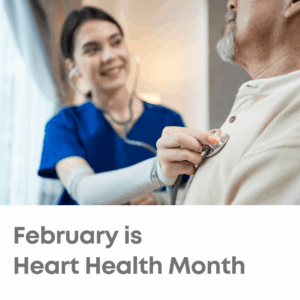
February is Heart Health Month, and protecting cardiovascular health is an important part of cancer care. Modern oncology focuses not

December 21-22, 2024 – Closed
December 23-24, 2024 – Open 8:00 AM – 5:00 PM
December 25, 2024 – Closed
December 26-27, 2024 – Open 8:00 AM – 5:00 PM
December 28-29, 2024 – Closed
December 30-31, 2024 – Open 8:00 AM – 5:00 PM
January 1, 2024 – Closed
January 2-3, 2024 – Open 8:00 AM – 5:00 PM
As of the afternoon of January 23, 2025, our phones are operational. Thank you for your patience as our phone provider experienced a national outage that impacted our phone services on the afternoon of January 22 and the morning of January 23.
The holiday season is often filled with rich foods, festive gatherings, and indulgent treats. For individuals undergoing cancer treatment, maintaining a balanced diet can feel challenging but is an important part of supporting overall health and well-being. With a few mindful strategies, you can enjoy the season’s flavors while prioritizing your nutritional needs.
Cancer treatment can increase your body’s need for certain nutrients. Choose holiday dishes that offer nutritional benefits:
If you’re experiencing appetite loss or nausea, eating smaller, more frequent meals can help.
Cancer treatments can lead to dehydration, especially during the colder months when you might not feel as thirsty.
A weakened immune system can make you more susceptible to food-borne illnesses.
Moderation is helpful with holiday treats.
If you’re cooking or bringing a dish to a gathering, consider making recipes that align with your dietary needs:
Let family and friends know about your dietary needs so they can help accommodate you. Many hosts will be happy to provide lighter options or adjust dishes to suit your preferences.
Your taste preferences and tolerance for certain foods may change during treatment.
The holidays are about spending time with loved ones and finding joy in the moments that matter. By focusing on balanced, nutrient-rich choices and listening to your body’s needs, you can enjoy the season while supporting your health.
For personalized advice on eating well during cancer treatment, don’t hesitate to reach out to your care team.

February is Heart Health Month, and protecting cardiovascular health is an important part of cancer care. Modern oncology focuses not


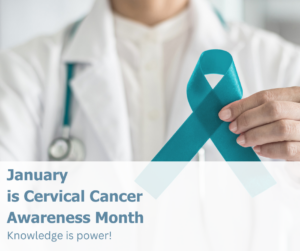
Cervical cancer is a significant health issue affecting women worldwide. According to the American Cancer Society, more than 13,000 women

A cancer diagnosis brings more than just physical challenges—it also affects emotional and mental health. It’s completely normal to feel
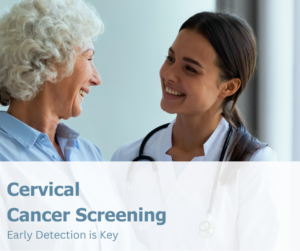
Cervical cancer screening is a vital tool in the early detection and prevention of cervical cancer. Regular screenings can identify

As we honor National Cancer Prevention Month, it is important to know the factors that can contribute to the development
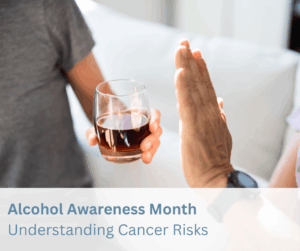
April is Alcohol Awareness Month—an important time to understand how alcohol consumption affects cancer risk. Regular alcohol use is linked

February is a time to recognize the caregivers who stand beside patients through every stage of cancer care. From diagnosis

Skin cancer is one of the most common cancers worldwide, but the good news is that it’s also one of the most preventable. With the right habits and awareness, you can significantly reduce your risk and keep your skin healthy for years to come. While early detection plays an important role in successful outcomes, prevention is the first and most powerful step.

At Rocky Mountain Cancer Centers, we are proud to serve our local community with high-quality, patient-focused care tailored to individual needs.
Prostate cancer is one of the most common cancers in men, but early detection can greatly improve outcomes.

At Rocky Mountain Cancer Centers, we are proud to serve our local community with high-quality, patient-focused care tailored to individual needs.
Skin cancer is one of the most common cancers—but also one of the most treatable when caught early.