Understanding Testicular Cancer
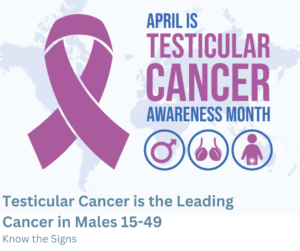
Testicular cancer originates in the testicles, vital organs responsible for sperm and hormone production in men. While comparatively rare, it

December 21-22, 2024 – Closed
December 23-24, 2024 – Open 8:00 AM – 5:00 PM
December 25, 2024 – Closed
December 26-27, 2024 – Open 8:00 AM – 5:00 PM
December 28-29, 2024 – Closed
December 30-31, 2024 – Open 8:00 AM – 5:00 PM
January 1, 2024 – Closed
January 2-3, 2024 – Open 8:00 AM – 5:00 PM
As of the afternoon of January 23, 2025, our phones are operational. Thank you for your patience as our phone provider experienced a national outage that impacted our phone services on the afternoon of January 22 and the morning of January 23.
October is Breast Cancer Awareness Month, and there’s no better time to discuss one of the most crucial factors in beating this disease: early detection through screening. Regular screenings can dramatically increase the chances of catching breast cancer in its early stages when it’s most treatable.
Why Early Detection Matters
Breast cancer is one of the most common cancers affecting women, but it can often be treated successfully when caught early. Detecting cancer before it spreads can lead to more effective treatment options, less invasive procedures, and a higher chance of survival. Early-stage cancers are generally easier to manage, leading to better outcomes and, often, a full recovery.
Recommended Screening Guidelines
The American Cancer Society recommends that women at average risk of breast cancer start yearly mammograms at age 45, though women aged 40-44 may choose to begin screening early. Women aged 55 and older can switch to mammograms every two years or continue yearly screening.
However, guidelines may vary based on personal or family history, so it’s essential to consult with your healthcare provider to determine the best screening plan for you.
Screening Options
What to Expect During Screening
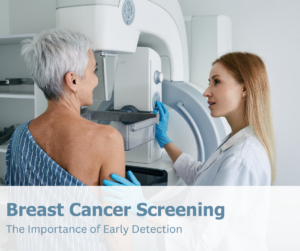
For many women, the thought of a mammogram can be intimidating, but knowing what to expect can ease any concerns. The procedure typically lasts about 20 minutes, and while it may be uncomfortable, it’s generally not painful. It’s a simple step that can save your life.
Myths vs. Facts About Breast Cancer Screening
There are several misconceptions about breast cancer screening. For instance, some believe that mammograms can cause cancer due to radiation exposure, but the radiation from a mammogram is minimal, and the benefits far outweigh the risks. Others think that only women with a family history of breast cancer need screening. In reality, most women diagnosed with breast cancer have no family history.
Take Charge of Your Health
Early detection is key. Talk to your doctor about your risk factors and develop a screening plan tailored to you. Don’t wait—schedule your mammogram today.

Testicular cancer originates in the testicles, vital organs responsible for sperm and hormone production in men. While comparatively rare, it

Cancer is most treatable when detected early, often before symptoms appear. Regular screenings are a critical part of preventive healthcare

Thinking about scheduling your prostate cancer screening? One way to test for prostate cancer is a prostate-specific antigen level test,
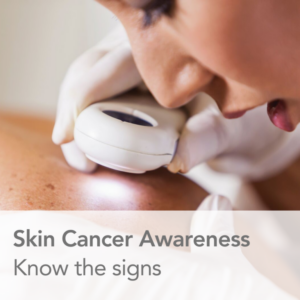
At Rocky Mountain Oncology Center, we understand that learning you may need skin care can feel overwhelming. Our team specializes

National Cancer Prevention Month is a reminder that many cancers are influenced by daily habits. While not every diagnosis can
As we honor National Cancer Prevention Month, it is important to know the factors that can contribute to the development
July is National Sarcoma and Bone Cancer Awareness Month, dedicated to increasing understanding of these rare and complex cancers. Sarcomas,

Skin cancer is one of the most common cancers worldwide, but the good news is that it’s also one of the most preventable. With the right habits and awareness, you can significantly reduce your risk and keep your skin healthy for years to come. While early detection plays an important role in successful outcomes, prevention is the first and most powerful step.

At Rocky Mountain Cancer Centers, we are proud to serve our local community with high-quality, patient-focused care tailored to individual needs.
Prostate cancer is one of the most common cancers in men, but early detection can greatly improve outcomes.

At Rocky Mountain Cancer Centers, we are proud to serve our local community with high-quality, patient-focused care tailored to individual needs.
Skin cancer is one of the most common cancers—but also one of the most treatable when caught early.