
Men’s Health Month: Understanding BPH and Prioritizing Prostate Health
June is Men’s Health Month, a time dedicated to raising awareness about various health issues that impact men. One common

December 21-22, 2024 – Closed
December 23-24, 2024 – Open 8:00 AM – 5:00 PM
December 25, 2024 – Closed
December 26-27, 2024 – Open 8:00 AM – 5:00 PM
December 28-29, 2024 – Closed
December 30-31, 2024 – Open 8:00 AM – 5:00 PM
January 1, 2024 – Closed
January 2-3, 2024 – Open 8:00 AM – 5:00 PM
As of the afternoon of January 23, 2025, our phones are operational. Thank you for your patience as our phone provider experienced a national outage that impacted our phone services on the afternoon of January 22 and the morning of January 23.
Breast cancer can affect anyone, but some individuals are at a higher risk than others. Understanding your risk factors is a critical step in prevention and early detection. In this second part of our Breast Cancer Awareness Month blog series, we’ll dive into the various factors that can increase the likelihood of developing breast cancer.
Genetic Risk Factors
Your genes play a significant role in determining your breast cancer risk. Mutations in specific genes, such as BRCA1 and BRCA2, are known to significantly increase the risk of both breast and ovarian cancer. Women with these mutations may need earlier and more frequent screenings.
Family History
If a close relative, such as a mother, sister, or daughter, has been diagnosed with breast cancer, your risk is higher than average. While not all breast cancer is inherited, family history can provide essential clues about your own risk level. If multiple family members have had breast or ovarian cancer, especially at a young age, you may want to consider genetic counseling.
Lifestyle-Related Risk Factors
Your everyday choices can impact your breast cancer risk. For example:
Hormonal and Reproductive History
Certain factors related to your menstrual and reproductive history can also affect your breast cancer risk:
Other Risk Factors
Know Your Risk
It’s important to understand your personal risk for breast cancer. If you have any concerns about risk factors, talk to your doctor, who can help you develop a tailored plan for monitoring and prevention.

June is Men’s Health Month, a time dedicated to raising awareness about various health issues that impact men. One common

A breast cancer diagnosis can feel overwhelming, but today’s treatment options are more effective and personalized than ever before. The
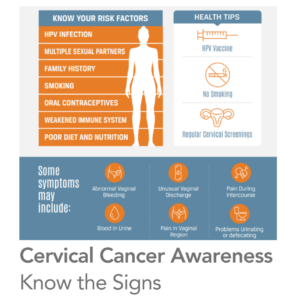
In early stages, cervical cancer may not cause noticeable symptoms. As it progresses, some signs may include:
Cervical cancer screening is a vital tool in the early detection and prevention of cervical cancer. Regular screenings can identify
Alcohol, often celebrated in various cultures, is also associated with increased risks of several cancers. As we observe Alcohol Awareness

Sleep is a key part of healing, especially during cancer treatment. Your body uses this time to restore itself, manage

Summer brings sunshine, warmth, and outdoor fun—but for those undergoing cancer treatment, it also brings added challenges. Heat and humidity

Skin cancer is one of the most common cancers worldwide, but the good news is that it’s also one of the most preventable. With the right habits and awareness, you can significantly reduce your risk and keep your skin healthy for years to come. While early detection plays an important role in successful outcomes, prevention is the first and most powerful step.

At Rocky Mountain Cancer Centers, we are proud to serve our local community with high-quality, patient-focused care tailored to individual needs.
Prostate cancer is one of the most common cancers in men, but early detection can greatly improve outcomes.

At Rocky Mountain Cancer Centers, we are proud to serve our local community with high-quality, patient-focused care tailored to individual needs.
Skin cancer is one of the most common cancers—but also one of the most treatable when caught early.