Holiday Hours:

December 21-22, 2024 – Closed

December 23-24, 2024 – Open 8:00 AM – 5:00 PM

December 25, 2024 – Closed

December 26-27, 2024 – Open 8:00 AM – 5:00 PM

December 28-29, 2024 – Closed

December 30-31, 2024 – Open 8:00 AM – 5:00 PM

January 1, 2024 – Closed

January 2-3, 2024 – Open 8:00 AM – 5:00 PM

As of the afternoon of January 23, 2025, our phones are operational. Thank you for your patience as our phone provider experienced a national outage that impacted our phone services on the afternoon of January 22 and the morning of January 23.

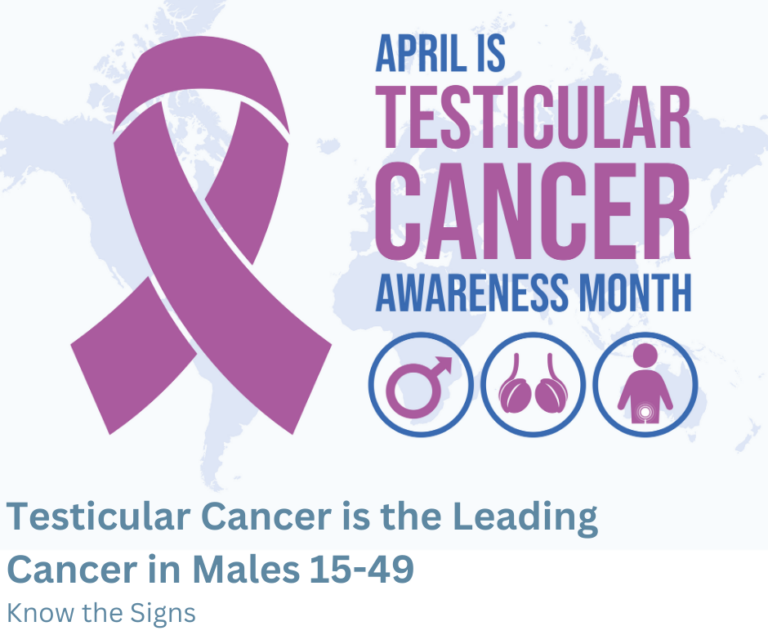
Understanding Testicular Cancer

testicular awareness

Testicular cancer originates in the testicles, vital organs responsible for sperm and hormone production in men. While comparatively rare, it predominantly affects younger men, with the highest incidence occurring between ages 15 and 35. However, vigilance is essential.

Symptoms: A primary indicator of testicular cancer is the presence of a lump or swelling in one testicle. Additional symptoms may include discomfort or pain in the testicle or scrotum, changes in size or shape, a sensation of heaviness, fluid accumulation, back pain, or breast enlargement. Notably, some cases may manifest without noticeable symptoms, underscoring the importance of regular self-examination.

Risk Factors: Several factors heighten the risk of developing testicular cancer:

  1. Age: Younger men, particularly those aged 15 to 35, face a higher risk.
  2. Family or personal history: Individuals with a family history or a personal history of testicular cancer are at elevated risk.
  3. Cryptorchidism: Undescended testicles increase susceptibility to testicular cancer.
  4. HIV infection: Some studies suggest a correlation between HIV infection and testicular cancer risk.
  5. Ethnicity: Testicular cancer is more prevalent among white men compared to other racial or ethnic groups.


Prevention Strategies: While complete prevention may not be feasible, proactive measures can mitigate risk:

  1. Regular self-exams: Familiarize yourself with the normal appearance and feel of your testicles, and promptly report any changes to your healthcare provider.
  2. Routine check-ups: Regular physical examinations enable early detection of abnormalities.
  3. Awareness of family history: Understand your familial risk and discuss it with your healthcare provider for appropriate screening recommendations.
  4. Lifestyle modifications: Avoiding tobacco and adopting a healthy lifestyle can contribute to overall well-being and potentially reduce the risk of testicular cancer.


By raising awareness about testicular cancer—its symptoms, risk factors, and prevention strategies—we empower individuals to take charge of their health journey. Vigilance, early detection, and informed decision-making are crucial weapons in the fight against this disease.

Contact Us

Other Articles

Like What You See? Share With A Friend!

Latest Doctor's Blog Articles

Protect Your Skin Today for a Healthier Tomorrow

Skin cancer is one of the most common cancers worldwide, but the good news is that it’s also one of the most preventable. With the right habits and awareness, you can significantly reduce your risk and keep your skin healthy for years to come. While early detection plays an important role in successful outcomes, prevention is the first and most powerful step.

Read More »

Prostate Cancer: Understanding Risk and Screening

At Rocky Mountain Cancer Centers, we are proud to serve our local community with high-quality, patient-focused care tailored to individual needs.

Prostate cancer is one of the most common cancers in men, but early detection can greatly improve outcomes.

Read More »
skin cancer awareness image

What to Watch For and Why Early Detection Matters

At Rocky Mountain Cancer Centers, we are proud to serve our local community with high-quality, patient-focused care tailored to individual needs.

Skin cancer is one of the most common cancers—but also one of the most treatable when caught early.

Read More »