
Honoring Caregivers
February is a time to recognize the caregivers who stand beside patients through every stage of cancer care. From diagnosis

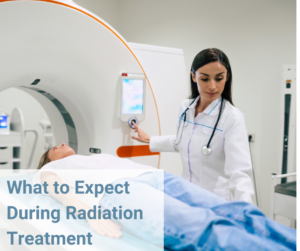
February is a time to recognize the caregivers who stand beside patients through every stage of cancer care. From diagnosis

Q:
What is skin cancer?
A:
Skin cancer is a condition characterized by the abnormal growth of skin
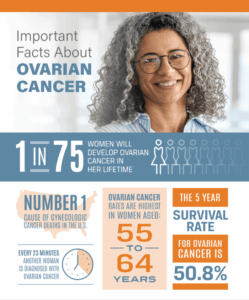
Ovarian cancer is often called the “silent cancer” because its early symptoms can be mistaken for other conditions. Understanding risk
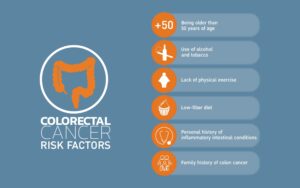
Colorectal cancer, is influenced by genetic, lifestyle, and environmental factors. Understanding its causes and risk factors is key for prevention
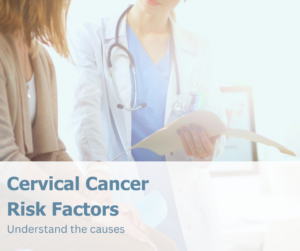
While some risk factors are beyond our control, understanding the factors that increase the likelihood of developing Cervical cancer can
Prevention is critical when it comes to Cervical cancer. By adopting healthy lifestyle choices and taking advantage of available vaccinations,
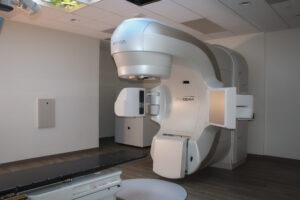
February is National Cancer Prevention Month, a time to raise awareness about the steps we can all take to reduce

Skin cancer is one of the most common cancers worldwide, but the good news is that it’s also one of the most preventable. With the right habits and awareness, you can significantly reduce your risk and keep your skin healthy for years to come. While early detection plays an important role in successful outcomes, prevention is the first and most powerful step.

At Rocky Mountain Cancer Centers, we are proud to serve our local community with high-quality, patient-focused care tailored to individual needs.
Prostate cancer is one of the most common cancers in men, but early detection can greatly improve outcomes.

At Rocky Mountain Cancer Centers, we are proud to serve our local community with high-quality, patient-focused care tailored to individual needs.
Skin cancer is one of the most common cancers—but also one of the most treatable when caught early.