Exploring the Five Types of Gynecological Cancer
In recognition of Gynecological Awareness Month, we’re shedding some light on the 5 types of gynecological cancer to help understand

December 21-22, 2024 – Closed
December 23-24, 2024 – Open 8:00 AM – 5:00 PM
December 25, 2024 – Closed
December 26-27, 2024 – Open 8:00 AM – 5:00 PM
December 28-29, 2024 – Closed
December 30-31, 2024 – Open 8:00 AM – 5:00 PM
January 1, 2024 – Closed
January 2-3, 2024 – Open 8:00 AM – 5:00 PM
As of the afternoon of January 23, 2025, our phones are operational. Thank you for your patience as our phone provider experienced a national outage that impacted our phone services on the afternoon of January 22 and the morning of January 23.
While some risk factors are beyond our control, understanding the factors that increase the likelihood of developing Cervical cancer can empower women to take proactive steps in prevention, early detection, and treatment. In this blog post, we will explore the various risk factors associated with Cervical cancer.
1. Human Papillomavirus (HPV): HPV is the primary cause of cervical cancer. It is a common sexually transmitted infection that affects both men and women. Certain strains of HPV, particularly types 16 and 18, are responsible for most cases of cervical cancer. Vaccination against HPV and practicing safe sex can help reduce the risk.
2. Smoking: Smoking not only harms the lungs but also increases the risk of developing cervical cancer. Chemicals in tobacco smoke can damage cervical cells, making them more susceptible to HPV infection. Quitting smoking can significantly lower the risk of cervical cancer.
3. Weak Immune System: A weakened immune system due to conditions like HIV/AIDS or certain medications can make a woman more vulnerable to HPV infection. Regular health check-ups and maintaining a healthy lifestyle can help boost the immune system and protect against cervical cancer.
4. Long-Term Use of Oral Contraceptives: Studies have shown that long-term use of oral contraceptives (birth control pills) may slightly increase the risk of cervical cancer. However, the risk returns to normal after discontinuing the use of these contraceptives. It is important to discuss the potential risks with your healthcare provider.
5. Multiple Pregnancies: Those who have had three or more full-term pregnancies have an increased risk of developing this type of cancer. The reason for this is unclear.
By understanding the causes and risk factors associated with cervical cancer, we can take proactive measures to prevent its occurrence. Regular screenings, HPV vaccination, maintaining a healthy lifestyle, and raising awareness can play a crucial role in reducing the burden of cervical cancer on women’s health.
Our team of dedicated physicians and healthcare professionals are here to support you every step of the way. Contact us to learn more about cervical cancer or schedule an appointment today.

In recognition of Gynecological Awareness Month, we’re shedding some light on the 5 types of gynecological cancer to help understand

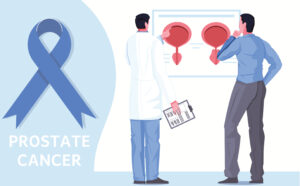
A prostate cancer diagnosis can be overwhelming and scary. You will probably have lots of questions, and wonder where to

June is National Cancer Survivors Month—a time to celebrate those who have faced cancer and come through with courage, hope,

Breast cancer affects millions of lives in the United States alone. We embrace the color pink this month to raise

Even gentle movement can reduce fatigue, improve your mood, and support healing.

Diagnosing and treating head and neck cancer requires a multidisciplinary approach involving various healthcare professionals, including oncologists, surgeons, radiologists, and
Colorectal cancer is one of the most common cancers, yet it is also one of the most preventable and treatable

Skin cancer is one of the most common cancers worldwide, but the good news is that it’s also one of the most preventable. With the right habits and awareness, you can significantly reduce your risk and keep your skin healthy for years to come. While early detection plays an important role in successful outcomes, prevention is the first and most powerful step.

At Rocky Mountain Cancer Centers, we are proud to serve our local community with high-quality, patient-focused care tailored to individual needs.
Prostate cancer is one of the most common cancers in men, but early detection can greatly improve outcomes.

At Rocky Mountain Cancer Centers, we are proud to serve our local community with high-quality, patient-focused care tailored to individual needs.
Skin cancer is one of the most common cancers—but also one of the most treatable when caught early.