
May is Skin Cancer Awareness Month: Learn About Melanoma Skin Cancer
Melanoma skin cancer is a type of cancer that affects the melanocytes, the cells that produce pigment in the skin.

December 21-22, 2024 – Closed
December 23-24, 2024 – Open 8:00 AM – 5:00 PM
December 25, 2024 – Closed
December 26-27, 2024 – Open 8:00 AM – 5:00 PM
December 28-29, 2024 – Closed
December 30-31, 2024 – Open 8:00 AM – 5:00 PM
January 1, 2024 – Closed
January 2-3, 2024 – Open 8:00 AM – 5:00 PM
As of the afternoon of January 23, 2025, our phones are operational. Thank you for your patience as our phone provider experienced a national outage that impacted our phone services on the afternoon of January 22 and the morning of January 23.
Although one of the deadliest forms of cancer, pancreatic cancer is also one of the most difficult cancers to detect in its early stages. Oftentimes, symptoms are not present until the cancer has become very large or spread to other organs. To prevent this disease, it’s important to understand how it develops and some of the risk factors of pancreatic cancer.
Pancreatic cancer occurs when abnormal cells in the pancreas grow uncontrollably, forming tumors. The pancreas, a vital organ located behind the stomach, plays a key role in digestion and blood sugar regulation.
While symptoms may vary, it’s essential to be aware of common signs that could indicate pancreatic cancer:
Certain factors increase the risk of developing pancreatic cancer, including:
Common forms of early testing include genetic testing and imaging.
Genetic Testing: Identifying genetic mutations can help assess the risk of developing pancreatic cancer, especially for those with a family history.
Imaging Techniques: Advanced imaging methods, such as endoscopic ultrasound (EUS) and magnetic resonance imaging (MRI), provide detailed images of the pancreas, aiding in early detection.
While detecting pancreatic cancer early remains challenging, ongoing research and advancements in medical technology offer hope for improving early detection rates. Awareness of the signs, understanding risk factors, and regular health check-ups are vital in the fight against this aggressive disease. By staying informed and proactive, individuals can take charge of their health and contribute to the ongoing efforts to detect pancreatic cancer at an early, more treatable stage.

Melanoma skin cancer is a type of cancer that affects the melanocytes, the cells that produce pigment in the skin.


Follow-up appointments are an important part of staying healthy. Whether you’re managing a condition, monitoring progress, or simply keeping up

Sleep is an essential aspect of our lives that is often overlooked. While we sleep, our body and mind recharge,

Brain Cancer Awareness is about more than a diagnosis—it’s about education, early detection, and support for those impacted. Although brain
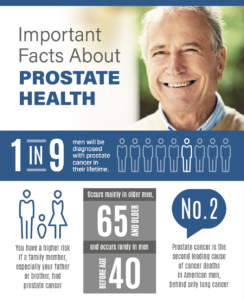
Prostate cancer is a serious health concern that affects millions of men worldwide. It’s a diagnosis no one wants to
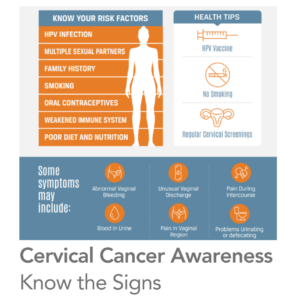
In early stages, cervical cancer may not cause noticeable symptoms. As it progresses, some signs may include:
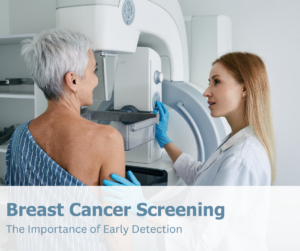
October is Breast Cancer Awareness Month, and there’s no better time to discuss one of the most crucial factors in

Skin cancer is one of the most common cancers worldwide, but the good news is that it’s also one of the most preventable. With the right habits and awareness, you can significantly reduce your risk and keep your skin healthy for years to come. While early detection plays an important role in successful outcomes, prevention is the first and most powerful step.

At Rocky Mountain Cancer Centers, we are proud to serve our local community with high-quality, patient-focused care tailored to individual needs.
Prostate cancer is one of the most common cancers in men, but early detection can greatly improve outcomes.

At Rocky Mountain Cancer Centers, we are proud to serve our local community with high-quality, patient-focused care tailored to individual needs.
Skin cancer is one of the most common cancers—but also one of the most treatable when caught early.