What is Colorectal Cancer?
As we commemorate National Cancer Prevention Month, it is crucial to recognize the importance of early detection and screening in

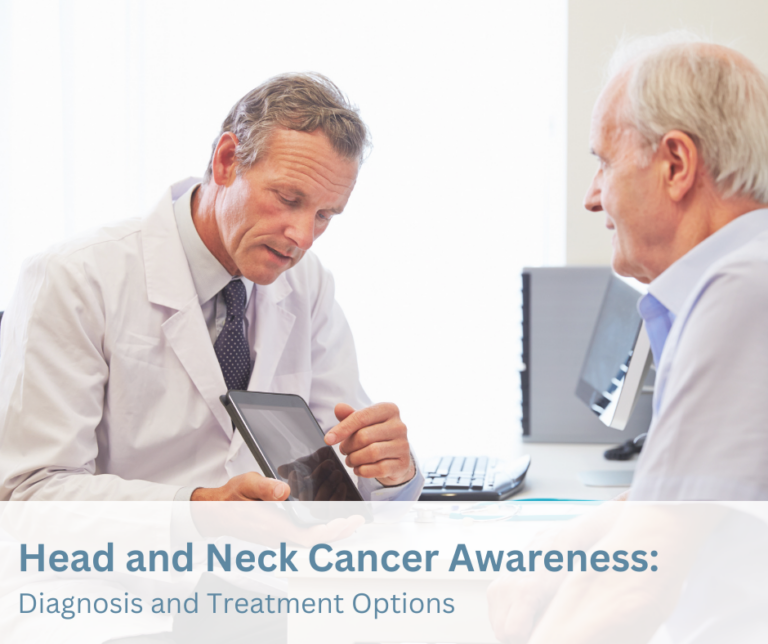
As we commemorate National Cancer Prevention Month, it is crucial to recognize the importance of early detection and screening in

Follow-up appointments are an important part of staying healthy. Whether you’re managing a condition, monitoring progress, or simply keeping up

Cancer treatment can bring physical, emotional, and mental challenges. Feeling stressed or overwhelmed is completely normal, but there are simple,
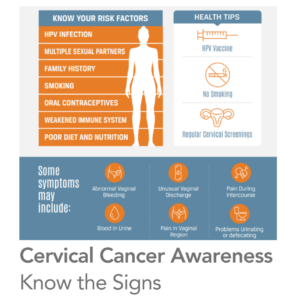
In early stages, cervical cancer may not cause noticeable symptoms. As it progresses, some signs may include:
Men’s Health Month is the perfect time to raise awareness about the health challenges men face and encourage proactive steps
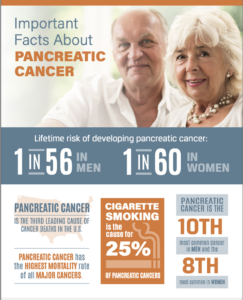
Pancreatic cancer has long been one of the most challenging cancers to treat, but advances in research, treatment, and advocacy
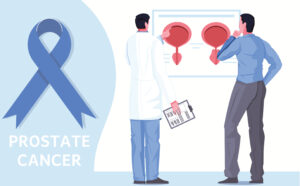
A prostate cancer diagnosis can be overwhelming and scary. You will probably have lots of questions, and wonder where to

Skin cancer is one of the most common cancers worldwide, but the good news is that it’s also one of the most preventable. With the right habits and awareness, you can significantly reduce your risk and keep your skin healthy for years to come. While early detection plays an important role in successful outcomes, prevention is the first and most powerful step.

At Rocky Mountain Cancer Centers, we are proud to serve our local community with high-quality, patient-focused care tailored to individual needs.
Prostate cancer is one of the most common cancers in men, but early detection can greatly improve outcomes.

At Rocky Mountain Cancer Centers, we are proud to serve our local community with high-quality, patient-focused care tailored to individual needs.
Skin cancer is one of the most common cancers—but also one of the most treatable when caught early.