Protect Your Skin — Prevention Tips for Skin Cancer
Sunshine is good for the soul, but too much can damage your skin and increase your risk of skin cancer.

December 21-22, 2024 – Closed
December 23-24, 2024 – Open 8:00 AM – 5:00 PM
December 25, 2024 – Closed
December 26-27, 2024 – Open 8:00 AM – 5:00 PM
December 28-29, 2024 – Closed
December 30-31, 2024 – Open 8:00 AM – 5:00 PM
January 1, 2024 – Closed
January 2-3, 2024 – Open 8:00 AM – 5:00 PM
As of the afternoon of January 23, 2025, our phones are operational. Thank you for your patience as our phone provider experienced a national outage that impacted our phone services on the afternoon of January 22 and the morning of January 23.
In recognition of Gynecological Awareness Month, we’re shedding some light on the 5 types of gynecological cancer to help understand contributing risk factors and preventative detection. Women can feel confident in taking control of their health with knowledge to promote early detection, effective treatment, and overall well-being.
Ovarian cancer originates in the ovaries, the small organs responsible for producing eggs and hormones. Often called the “silent killer,” ovarian cancer’s symptoms are vague and easily mistaken for other conditions. Risk factors include a family history of ovarian or breast cancer, mutations in the BRCA1 or BRCA2 genes, and increasing age. Regular pelvic examinations and awareness of symptoms like bloating, abdominal pain, and changes in bowel habits are crucial for early detection.
Cervical cancer primarily arises from the cells lining the cervix, the lower part of the uterus that connects to the vagina. Persistent infection with high-risk strains of the human papillomavirus (HPV) is the main risk factor. Regular Pap tests (Pap smears) can detect precancerous changes early, allowing for intervention before the cancer develops. HPV vaccines are also available for preventive measures.
Uterine cancer originates in the lining of the uterus, called the endometrium. It is often linked to hormonal imbalances, particularly excess estrogen. Obesity, diabetes, and a late onset of menopause are risk factors. Unusual vaginal bleeding, particularly after menopause, is a common symptom. Early diagnosis can lead to effective treatment options like surgery, radiation, or chemotherapy.
Vaginal cancer is a rare type of gynecological cancer that forms in the cells lining the vagina. It can develop in women of any age, but is more common in older women. Risk factors include exposure to the drug diethylstilbestrol (DES) during pregnancy, a history of cervical cancer, and smoking. Symptoms may include vaginal bleeding, pain, and discomfort.
Vulvar cancer occurs on the external genitalia, including the labia, clitoris, and vaginal opening. It can stem from changes in the skin cells of the vulva. Risk factors include HPV infection, a history of precancerous conditions, and conditions that weaken the immune system. Symptoms may involve itching, pain, and changes in the skin’s appearance.
Regular screenings, awareness of symptoms, and lifestyle choices can collectively contribute to early detection and prevention. By navigating the terrain of ovarian, cervical, uterine, vaginal, and vulvar cancer, women can take charge of their health and promote a brighter, cancer-free future.

Sunshine is good for the soul, but too much can damage your skin and increase your risk of skin cancer.


Cervical cancer is a significant health issue affecting women worldwide. According to the American Cancer Society, more than 13,000 women
Head and neck cancers are a group of malignancies that affect various structures in the head and neck region, including

As family travels from near and far to be together during the holiday season, it’s an opportune time for you
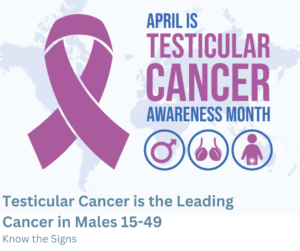
Testicular cancer originates in the testicles, vital organs responsible for sperm and hormone production in men. While comparatively rare, it
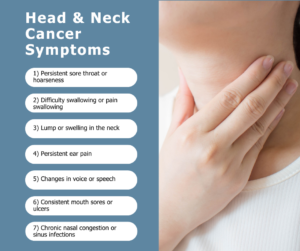
Early detection is crucial for successful treatment and improved outcomes in head and neck cancer. In this blog, we’ll delve

The holiday season can be joyful—but for those facing cancer, it can also feel overwhelming. It’s okay to need support,

Skin cancer is one of the most common cancers worldwide, but the good news is that it’s also one of the most preventable. With the right habits and awareness, you can significantly reduce your risk and keep your skin healthy for years to come. While early detection plays an important role in successful outcomes, prevention is the first and most powerful step.

At Rocky Mountain Cancer Centers, we are proud to serve our local community with high-quality, patient-focused care tailored to individual needs.
Prostate cancer is one of the most common cancers in men, but early detection can greatly improve outcomes.

At Rocky Mountain Cancer Centers, we are proud to serve our local community with high-quality, patient-focused care tailored to individual needs.
Skin cancer is one of the most common cancers—but also one of the most treatable when caught early.