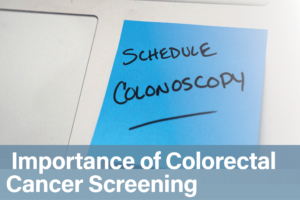
Screening for Colorectal Cancer
Colorectal cancer screening is crucial for early detection and improved outcomes. Here’s why it matters and the screening options available:

December 21-22, 2024 – Closed
December 23-24, 2024 – Open 8:00 AM – 5:00 PM
December 25, 2024 – Closed
December 26-27, 2024 – Open 8:00 AM – 5:00 PM
December 28-29, 2024 – Closed
December 30-31, 2024 – Open 8:00 AM – 5:00 PM
January 1, 2024 – Closed
January 2-3, 2024 – Open 8:00 AM – 5:00 PM
As of the afternoon of January 23, 2025, our phones are operational. Thank you for your patience as our phone provider experienced a national outage that impacted our phone services on the afternoon of January 22 and the morning of January 23.
Ovarian cancer begins in the ovaries, the reproductive glands that produce eggs. It is the fifth most common cancer among women and the deadliest of the gynecologic cancers. One of the challenges with ovarian cancer is that it is often diagnosed at an advanced stage, when it is harder to treat effectively.
Who is at Risk?
While ovarian cancer can affect any woman, certain factors increase the risk:
Recognizing the Symptoms
Ovarian cancer symptoms are often vague and can be easily attributed to less serious conditions. However, persistent and unusual symptoms should not be ignored. Common symptoms include:
Other symptoms may include fatigue, back pain, pain during intercourse, and changes in bowel habits. If these symptoms persist for more than a few weeks, it’s important to see a healthcare provider for evaluation.
The Importance of Early Detection
Early detection of ovarian cancer is crucial for improving outcomes. Unfortunately, there is no reliable screening test for ovarian cancer like there is for cervical cancer. However, being vigilant about symptoms and understanding your personal risk factors can make a significant difference.
Women at high risk for ovarian cancer, such as those with a strong family history or known genetic mutations, should discuss risk-reducing strategies with their healthcare provider. These may include:
Prevention and Risk Reduction
While there is no sure way to prevent ovarian cancer, certain lifestyle choices and medical options can reduce the risk:
Raising awareness about ovarian cancer is key to improving outcomes. We encourage women to educate themselves, talk to their healthcare providers about their risks, and share this information with others.
Ovarian cancer may be a formidable disease, but knowledge is power. By understanding the risks, recognizing the symptoms, and advocating for your health, you can take proactive steps to protect yourself and others.
If you have concerns about ovarian cancer or want to learn more about your risk factors, contact us. Our team is here to provide the information, support, and care you need to stay healthy and informed.

Colorectal cancer screening is crucial for early detection and improved outcomes. Here’s why it matters and the screening options available:

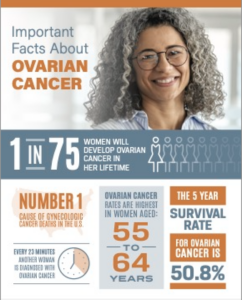
Cancer is a disease that affects millions of people worldwide, and while there are many factors that contribute to cancer,
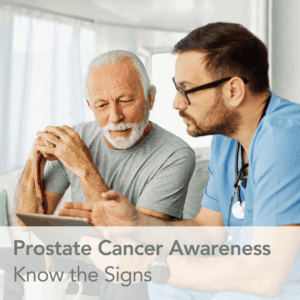
Prostate cancer is one of the most common cancers among men, but when detected early, it is also one of

Cancer treatment can be physically and emotionally demanding, but incorporating exercise into your routine can significantly improve your overall well-being.

A cancer diagnosis brings more than just physical challenges—it also affects emotional and mental health. It’s completely normal to feel
A cancer diagnosis can bring a wave of emotions—fear, anxiety, sadness, and even anger. While these feelings are normal, finding
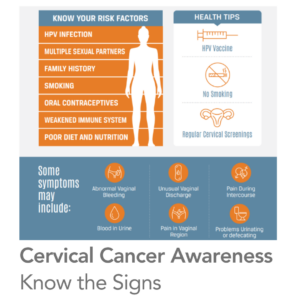
In early stages, cervical cancer may not cause noticeable symptoms. As it progresses, some signs may include:

Skin cancer is one of the most common cancers worldwide, but the good news is that it’s also one of the most preventable. With the right habits and awareness, you can significantly reduce your risk and keep your skin healthy for years to come. While early detection plays an important role in successful outcomes, prevention is the first and most powerful step.
At Rocky Mountain Cancer Centers, we are proud to serve our local community with high-quality, patient-focused care tailored to individual needs.
Prostate cancer is one of the most common cancers in men, but early detection can greatly improve outcomes.

At Rocky Mountain Cancer Centers, we are proud to serve our local community with high-quality, patient-focused care tailored to individual needs.
Skin cancer is one of the most common cancers—but also one of the most treatable when caught early.