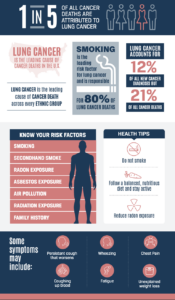
Lung Cancer Risk Factors and Prevention
Preventing lung cancer is possible with lifestyle adjustments, risk awareness, and screenings. Here’s what you need to know about the

December 21-22, 2024 – Closed
December 23-24, 2024 – Open 8:00 AM – 5:00 PM
December 25, 2024 – Closed
December 26-27, 2024 – Open 8:00 AM – 5:00 PM
December 28-29, 2024 – Closed
December 30-31, 2024 – Open 8:00 AM – 5:00 PM
January 1, 2024 – Closed
January 2-3, 2024 – Open 8:00 AM – 5:00 PM
As of the afternoon of January 23, 2025, our phones are operational. Thank you for your patience as our phone provider experienced a national outage that impacted our phone services on the afternoon of January 22 and the morning of January 23.
Head and neck cancer is a term used to describe a variety of cancers that occur in the head and neck region. This includes the oral cavity, pharynx, larynx, salivary glands, nasal cavity, and sinuses. The most common type of head and neck cancer is squamous cell carcinoma, which accounts for more than 90% of cases. This blog will guide you through the symptoms of head and neck cancer, the diagnostic process and treatment options.
The exact cause of head and neck cancer is unknown, but there are several risk factors that increase the chances of developing this type of cancer. The most significant risk factors include:
Tobacco and Alcohol Use: Tobacco and alcohol use are the leading causes of head and neck cancer. Smoking and drinking together increase the risk of developing this type of cancer more than either habit alone.
Human Papillomavirus (HPV): HPV is a sexually transmitted virus that can cause certain types of head and neck cancer, including oropharyngeal cancer.
Age: The risk of developing head and neck cancer increases as you get older.
Gender: Men are two to three times more likely to develop head and neck cancer than women.
Poor Nutrition: A diet lacking in fruits and vegetables may increase the risk of head and neck cancer.
The symptoms of head and neck cancer depend on the location of the cancer. Common symptoms include:
If you have symptoms of head and neck cancer, your doctor will perform a physical exam and may recommend further tests. These may include:
A small piece of tissue is removed from the affected area and examined under a microscope to check for cancer cells.
These may include X-rays, CT scans, MRI scans, or PET scans, which can help to determine the size and location of the cancer.
The treatment of head and neck cancer depends on the location and stage of the cancer. Treatment options may include:
The cancerous tissue is removed surgically, along with any affected lymph nodes or other tissue.
High-energy radiation is used to kill cancer cells.
Drugs are used to kill cancer cells.
Drugs are used to target specific cancer cells.
The best way to prevent head and neck cancer is to avoid the risk factors associated with this type of cancer. This includes:
In conclusion, head and neck cancer is a serious condition that requires prompt diagnosis and treatment. If you have symptoms of head and neck cancer, it is important to see your doctor right away. By taking steps to reduce your risk of developing this type of cancer, you can help to protect your health and well-being.

Preventing lung cancer is possible with lifestyle adjustments, risk awareness, and screenings. Here’s what you need to know about the


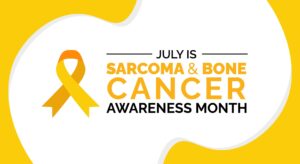
July is National Sarcoma and Bone Cancer Awareness Month, dedicated to increasing understanding of these rare and complex cancers. Sarcomas,

As we honor National Cancer Prevention Month, it is important to know the factors that can contribute to the development

As you prepare to send your kids back to school, the to-do lists and back-to-school shopping start to pile up.
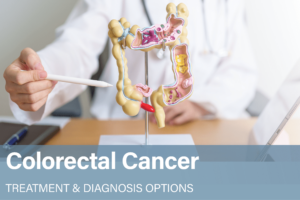
Colorectal cancer remains a global health concern, but progress in early detection and treatment offers hope.
Diagnosis:

Mental Health Awareness Month is a crucial time to highlight the psychological impact of chronic illnesses, including cancer. The diagnosis,

A breast cancer diagnosis can feel overwhelming, but today’s treatment options are more effective and personalized than ever before. The

Skin cancer is one of the most common cancers worldwide, but the good news is that it’s also one of the most preventable. With the right habits and awareness, you can significantly reduce your risk and keep your skin healthy for years to come. While early detection plays an important role in successful outcomes, prevention is the first and most powerful step.

At Rocky Mountain Cancer Centers, we are proud to serve our local community with high-quality, patient-focused care tailored to individual needs.
Prostate cancer is one of the most common cancers in men, but early detection can greatly improve outcomes.

At Rocky Mountain Cancer Centers, we are proud to serve our local community with high-quality, patient-focused care tailored to individual needs.
Skin cancer is one of the most common cancers—but also one of the most treatable when caught early.