
What to Know About PSA Levels and Why You Should Care
Thinking about scheduling your prostate cancer screening? One way to test for prostate cancer is a prostate-specific antigen level test,

December 21-22, 2024 – Closed
December 23-24, 2024 – Open 8:00 AM – 5:00 PM
December 25, 2024 – Closed
December 26-27, 2024 – Open 8:00 AM – 5:00 PM
December 28-29, 2024 – Closed
December 30-31, 2024 – Open 8:00 AM – 5:00 PM
January 1, 2024 – Closed
January 2-3, 2024 – Open 8:00 AM – 5:00 PM
As of the afternoon of January 23, 2025, our phones are operational. Thank you for your patience as our phone provider experienced a national outage that impacted our phone services on the afternoon of January 22 and the morning of January 23.
Cancer is a disease that affects millions of people worldwide, and while there are many factors that contribute to cancer, there are also many preventative measures that women can take to reduce their risk. This Women’s Health Week, we will explore some of the best practices women can follow to lessen their chance of developing cancer.
One of the best things you can do for your health is to maintain a healthy and balanced diet. Eating a diet rich in fruits, vegetables, and whole grains can help provide the nutrients and antioxidants your body needs to fight cancer. Additionally, reducing your consumption of processed foods, red meat, and sugary drinks can help lower your cancer risk.
Exercise is not only beneficial for maintaining a healthy weight, but it can also help reduce the risk of cancer. Regular exercise has been linked to a lower risk of breast, colon, and endometrial cancers. Aim for at least 150 minutes of moderate-intensity exercise per week, such as brisk walking, cycling, or swimming.
Excessive alcohol consumption has been linked to an increased risk of several cancers, including breast, liver, and colorectal cancers. It is recommended that women limit their alcohol consumption to one drink per day or less.
Smoking is a leading cause of cancer, including lung, throat, and bladder cancers. Quitting smoking is one of the most effective ways to reduce your cancer risk, and there are many resources available to help you quit, such as nicotine replacement therapy and support groups.
Excessive sun exposure can increase the risk of skin cancer, including melanoma, which is the deadliest form of skin cancer. To reduce your risk, avoid tanning beds, wear protective clothing, and use a broad-spectrum sunscreen with an SPF of 30 or higher.
Regular cancer screenings can help detect cancer early when it is most treatable. Talk to your healthcare provider about the recommended cancer screenings for your age and risk factors. Examples of screening tests include mammograms for breast cancer, Pap tests for cervical cancer, and colonoscopies for colon cancer.
Chronic stress can weaken the immune system and increase inflammation in the body, both of which can contribute to cancer. Practicing stress-reducing activities such as yoga, meditation, or mindfulness can help reduce stress and promote overall health.
Start now! Make plans to incorporate these practices into your daily life. You can take control of your health and reduce your risk of cancer.

Thinking about scheduling your prostate cancer screening? One way to test for prostate cancer is a prostate-specific antigen level test,

Cancer is a word that carries immense weight, affecting millions of lives every year. While it’s true that some risk
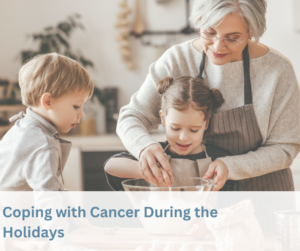
The holiday season is often associated with joy, celebration, and togetherness. However, for those navigating a cancer diagnosis, it can

The holiday season can be joyful—but for those facing cancer, it can also feel overwhelming. It’s okay to need support,
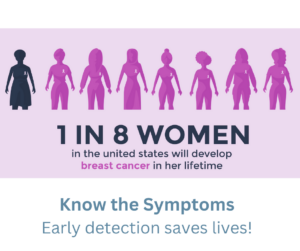
Breast cancer is one of the most common cancers affecting women worldwide. Early detection can significantly improve treatment outcomes, so
Lung cancer is a leading cause of cancer deaths worldwide, and its early symptoms are often overlooked or mistaken for
January is Cervical Cancer Awareness Month, a time to shed light on the importance of early detection and preventive measures

Skin cancer is one of the most common cancers worldwide, but the good news is that it’s also one of the most preventable. With the right habits and awareness, you can significantly reduce your risk and keep your skin healthy for years to come. While early detection plays an important role in successful outcomes, prevention is the first and most powerful step.

At Rocky Mountain Cancer Centers, we are proud to serve our local community with high-quality, patient-focused care tailored to individual needs.
Prostate cancer is one of the most common cancers in men, but early detection can greatly improve outcomes.

At Rocky Mountain Cancer Centers, we are proud to serve our local community with high-quality, patient-focused care tailored to individual needs.
Skin cancer is one of the most common cancers—but also one of the most treatable when caught early.