Holiday Hours:

December 21-22, 2024 – Closed

December 23-24, 2024 – Open 8:00 AM – 5:00 PM

December 25, 2024 – Closed

December 26-27, 2024 – Open 8:00 AM – 5:00 PM

December 28-29, 2024 – Closed

December 30-31, 2024 – Open 8:00 AM – 5:00 PM

January 1, 2024 – Closed

January 2-3, 2024 – Open 8:00 AM – 5:00 PM

As of the afternoon of January 23, 2025, our phones are operational. Thank you for your patience as our phone provider experienced a national outage that impacted our phone services on the afternoon of January 22 and the morning of January 23.

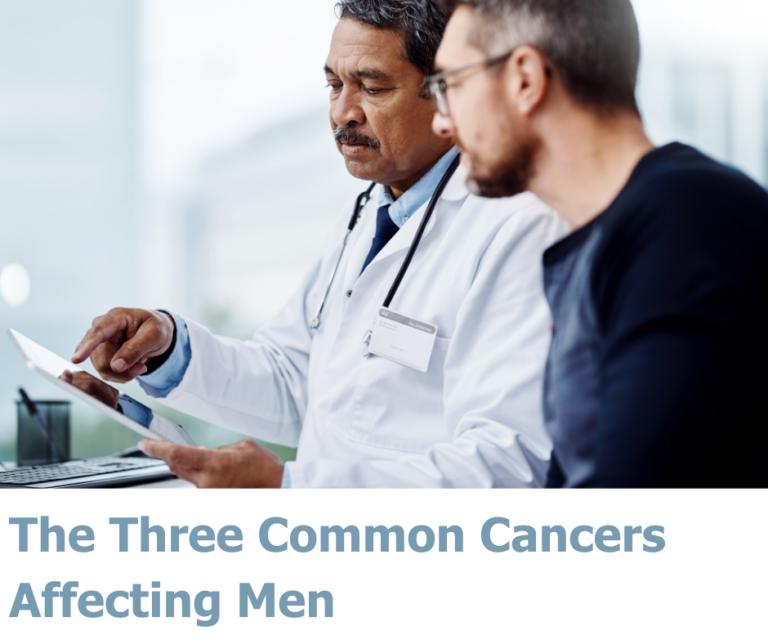
The 3 Common Cancers Affecting Men

3 common cancers

Men’s Health Month is the perfect time to raise awareness about the health challenges men face and encourage proactive steps towards better health. Among the various health concerns, cancer stands out as a significant threat. The three most common cancers affecting men are prostate cancer, lung cancer, and colorectal cancer. Understanding these cancers, their risk factors, and preventive measures can help men take charge of their health.

Prostate Cancer

Prostate cancer is the most common cancer among men, after skin cancer. It occurs in the prostate gland, which is part of the male reproductive system.

Risk Factors:

  • Age: Risk increases significantly after age 50.
  • Family History: A family history of prostate cancer can double the risk.
  • Race: African-American men are at higher risk.
  • Diet: Diets high in red meat and high-fat dairy products may increase risk.

Symptoms:

  • Difficulty urinating
  • Frequent urination, especially at night
  • Blood in urine or semen
  • Painful ejaculation

Prevention and Early Detection:

  • Regular screenings (PSA tests and digital rectal exams) starting at age 50, or earlier for high-risk groups.
  • Maintain a healthy diet rich in fruits and vegetables.
  • Exercise regularly and maintain a healthy weight.

Lung Cancer

Lung cancer is the leading cause of cancer death among men. It begins in the lungs and is most often associated with smoking.

Risk Factors:

  • Smoking: The primary risk factor for lung cancer.
  • Secondhand Smoke: Exposure to secondhand smoke also increases risk.
  • Exposure to Radon Gas: Radon is a naturally occurring gas that can cause lung cancer.
  • Occupational Hazards: Exposure to asbestos, arsenic, and other carcinogens.

Symptoms:

  • Persistent cough
  • Chest pain
  • Shortness of breath
  • Coughing up blood

Prevention and Early Detection:

  • Quit smoking and avoid secondhand smoke.
  • Test your home for radon and reduce exposure if necessary.
  • Use protective gear if exposed to hazardous materials at work.
  • Regular screening for high-risk individuals  (history of heavy smoking).

Colorectal Cancer

Colorectal cancer affects the colon and rectum. It is the third most common cancer in men and women.

Risk Factors:

  • Age: Most common in people over 50.
  • Family History: Increased risk if a close relative has had colorectal cancer.
  • Diet: Diets high in red meat and processed foods may increase risk.
  • Lifestyle: Lack of physical activity, obesity, smoking, and heavy alcohol use.

Symptoms:

  • Changes in bowel habits (diarrhea or constipation)
  • Blood in stool
  • Abdominal pain or discomfort
  • Unexplained weight loss

Prevention and Early Detection:

  • Regular screenings (colonoscopy) starting at age 45, or earlier for high-risk groups.
  • Maintain a diet high in fiber from fruits, vegetables, and whole grains.
  • Exercise regularly and maintain a healthy weight.
  • Avoid smoking and limit alcohol consumption.


Men’s Health Month is an opportunity to focus on the cancers that significantly impact men: prostate cancer, lung cancer, and colorectal cancer. By understanding the risk factors and symptoms, and prioritizing regular screenings and a healthy lifestyle, men can take proactive steps to reduce their risk and detect these cancers early. Remember, early detection and prevention can save lives.

Contact Us

Other Articles

Like What You See? Share With A Friend!

Latest Doctor's Blog Articles

Protect Your Skin Today for a Healthier Tomorrow

Skin cancer is one of the most common cancers worldwide, but the good news is that it’s also one of the most preventable. With the right habits and awareness, you can significantly reduce your risk and keep your skin healthy for years to come. While early detection plays an important role in successful outcomes, prevention is the first and most powerful step.

Read More »

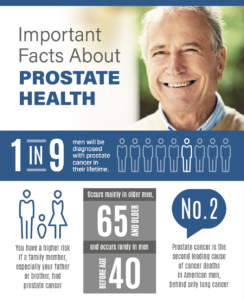
Prostate Cancer: Understanding Risk and Screening

At Rocky Mountain Cancer Centers, we are proud to serve our local community with high-quality, patient-focused care tailored to individual needs.

Prostate cancer is one of the most common cancers in men, but early detection can greatly improve outcomes.

Read More »
skin cancer awareness image

What to Watch For and Why Early Detection Matters

At Rocky Mountain Cancer Centers, we are proud to serve our local community with high-quality, patient-focused care tailored to individual needs.

Skin cancer is one of the most common cancers—but also one of the most treatable when caught early.

Read More »