Head and Neck Cancer: Awareness, Symptoms, and Treatment
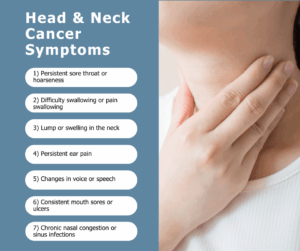
April is Head and Neck Cancer Awareness Month—a time to highlight cancers that affect the mouth, throat, voice box, nasal

December 21-22, 2024 – Closed
December 23-24, 2024 – Open 8:00 AM – 5:00 PM
December 25, 2024 – Closed
December 26-27, 2024 – Open 8:00 AM – 5:00 PM
December 28-29, 2024 – Closed
December 30-31, 2024 – Open 8:00 AM – 5:00 PM
January 1, 2024 – Closed
January 2-3, 2024 – Open 8:00 AM – 5:00 PM
As of the afternoon of January 23, 2025, our phones are operational. Thank you for your patience as our phone provider experienced a national outage that impacted our phone services on the afternoon of January 22 and the morning of January 23.
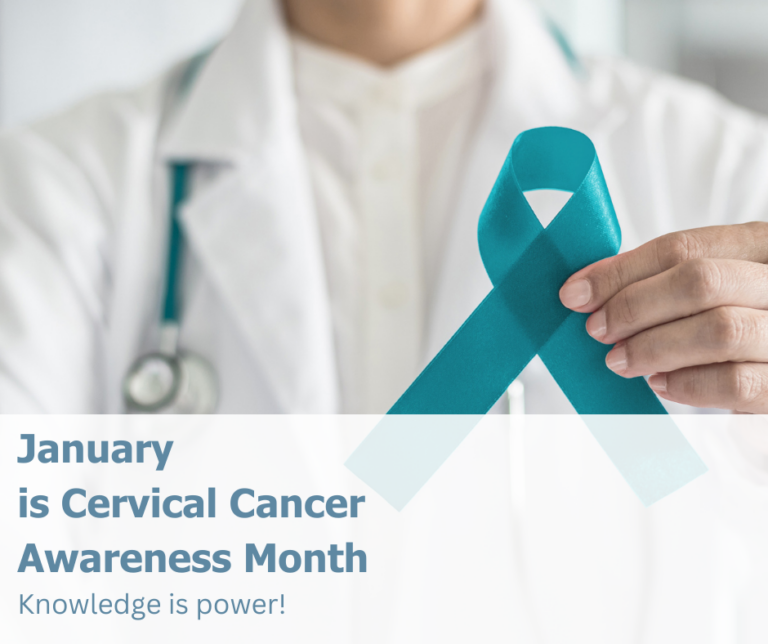
Cervical cancer is a significant health issue affecting women worldwide. According to the American Cancer Society, more than 13,000 women will be diagnosed with cervical cancer this year, most often in women over the age of 30.
Cervical cancer is a type of cancer that affects the cells of the cervix, which is the lower part of the uterus connecting to the vagina. It is the fourth most common cancer in women worldwide, with more than half a million new cases and over 300,000 deaths reported each year. Cervical cancer is primarily caused by the Human Papillomavirus (HPV), a common sexually transmitted infection.
HPV is a group of viruses that can be transmitted through sexual contact. There are over 200 different types of HPV, but only a few of them are high-risk and can lead to the development of cervical cancer.
There are two main types of cervical cancer.
– Most cervical cancers are squamous cell carcinomas. This type of cancer affects the squamous cells that line the outer part of the cervix and protect the vagina.
– Adenocarcinoma cervical cancer develops in the glandular cells that line the cervical canal.
Cervical cancer, if diagnosed early, is highly treatable by surgery, chemotherapy or radiation. In this blog series, we will cover the causes and risk factors associated with this disease and the importance of prevention and early detection.
Our team of dedicated physicians and healthcare professionals are here to support you every step of the way. Contact us to learn more about cervical cancer or schedule an appointment today.

April is Head and Neck Cancer Awareness Month—a time to highlight cancers that affect the mouth, throat, voice box, nasal

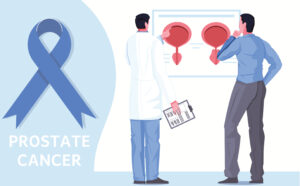
A prostate cancer diagnosis can be overwhelming and scary. You will probably have lots of questions, and wonder where to

February is National Cancer Prevention Month, a time to raise awareness about the steps we can all take to reduce

As we commemorate National Cancer Prevention Month, it is crucial to recognize the importance of early detection and screening in

February is American Heart Month, making it the perfect time to discuss the connection between heart disease and cancer. Many

Bladder cancer is one of the most common cancers in the United States, particularly affecting older adults and more frequently

Prevention is critical when it comes to Cervical cancer. By adopting healthy lifestyle choices and taking advantage of available vaccinations,

Skin cancer is one of the most common cancers worldwide, but the good news is that it’s also one of the most preventable. With the right habits and awareness, you can significantly reduce your risk and keep your skin healthy for years to come. While early detection plays an important role in successful outcomes, prevention is the first and most powerful step.

At Rocky Mountain Cancer Centers, we are proud to serve our local community with high-quality, patient-focused care tailored to individual needs.
Prostate cancer is one of the most common cancers in men, but early detection can greatly improve outcomes.

At Rocky Mountain Cancer Centers, we are proud to serve our local community with high-quality, patient-focused care tailored to individual needs.
Skin cancer is one of the most common cancers—but also one of the most treatable when caught early.