Understanding the Risk Factors for Breast Cancer
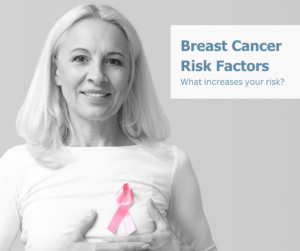
Breast cancer can affect anyone, but some individuals are at a higher risk than others. Understanding your risk factors is

December 21-22, 2024 – Closed
December 23-24, 2024 – Open 8:00 AM – 5:00 PM
December 25, 2024 – Closed
December 26-27, 2024 – Open 8:00 AM – 5:00 PM
December 28-29, 2024 – Closed
December 30-31, 2024 – Open 8:00 AM – 5:00 PM
January 1, 2024 – Closed
January 2-3, 2024 – Open 8:00 AM – 5:00 PM
As of the afternoon of January 23, 2025, our phones are operational. Thank you for your patience as our phone provider experienced a national outage that impacted our phone services on the afternoon of January 22 and the morning of January 23.
Colorectal cancer, often referred to as bowel cancer, colon cancer, or rectal cancer, is a type of cancer that affects the colon or rectum. It’s one of the most common forms of cancer worldwide, but with early detection and appropriate treatment, it is highly treatable.
This type of cancer typically develops from polyps, abnormal growths in the lining of the colon or rectum. While not all polyps become cancerous, some have the potential to transform into cancer over time. The causes of colorectal cancer are multifactorial and may involve a combination of genetic, environmental, and lifestyle factors.
Risk factors for colorectal cancer include age, family history of colorectal cancer or polyps, personal history of inflammatory bowel disease, certain genetic syndromes, diets high in red and processed meats, sedentary lifestyles, obesity, smoking, and heavy alcohol use. Recognizing these risk factors is crucial for understanding one’s susceptibility to the disease.
Common symptoms of colorectal cancer may include a change in bowel habits, rectal bleeding or blood in the stool, persistent abdominal discomfort, weakness or fatigue, and unexplained weight loss. However, it’s important to note that early-stage colorectal cancer often shows no symptoms, underscoring the importance of regular screening for early detection.
By increasing awareness and understanding of this disease, individuals can take proactive steps to limit their risk and seek timely medical attention.

Breast cancer can affect anyone, but some individuals are at a higher risk than others. Understanding your risk factors is

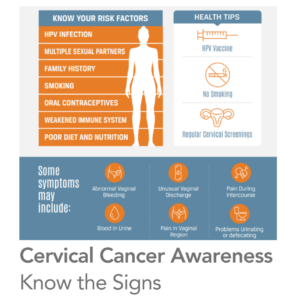
In early stages, cervical cancer may not cause noticeable symptoms. As it progresses, some signs may include:

At Rocky Mountain Oncology Center, we understand that learning you may need skin care can feel overwhelming. Our team specializes

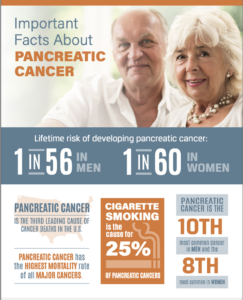
Pancreatic cancer has long been one of the most challenging cancers to treat, but advances in research, treatment, and advocacy

The holiday season is often filled with rich foods, festive gatherings, and indulgent treats. For individuals undergoing cancer treatment, maintaining

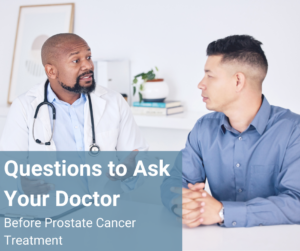
Receiving a prostate cancer diagnosis can be overwhelming, but asking the right questions can help you make informed decisions about

Breast cancer can affect anyone, but some individuals are at a higher risk than others. Understanding your risk factors is
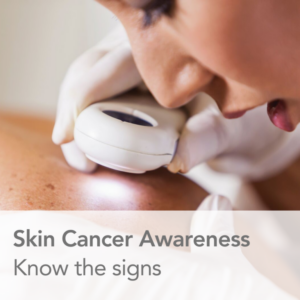
Skin cancer is one of the most common cancers worldwide, but the good news is that it’s also one of the most preventable. With the right habits and awareness, you can significantly reduce your risk and keep your skin healthy for years to come. While early detection plays an important role in successful outcomes, prevention is the first and most powerful step.

At Rocky Mountain Cancer Centers, we are proud to serve our local community with high-quality, patient-focused care tailored to individual needs.
Prostate cancer is one of the most common cancers in men, but early detection can greatly improve outcomes.

At Rocky Mountain Cancer Centers, we are proud to serve our local community with high-quality, patient-focused care tailored to individual needs.
Skin cancer is one of the most common cancers—but also one of the most treatable when caught early.