Understanding Bone and Soft Tissue Sarcomas
July is Sarcoma and Bone Cancer Awareness Month—a time to shed light on a group of rare but serious cancers

December 21-22, 2024 – Closed
December 23-24, 2024 – Open 8:00 AM – 5:00 PM
December 25, 2024 – Closed
December 26-27, 2024 – Open 8:00 AM – 5:00 PM
December 28-29, 2024 – Closed
December 30-31, 2024 – Open 8:00 AM – 5:00 PM
January 1, 2024 – Closed
January 2-3, 2024 – Open 8:00 AM – 5:00 PM
As of the afternoon of January 23, 2025, our phones are operational. Thank you for your patience as our phone provider experienced a national outage that impacted our phone services on the afternoon of January 22 and the morning of January 23.
As we usher in the new year, it’s the perfect time to reflect on our health and make positive changes. Whether it’s a commitment to eating better, exercising more, or prioritizing preventive care, setting health goals can help us improve our well-being and reduce the risk of cancer.
One of the most important steps in maintaining your health is getting regular screenings. Whether it’s for breast, cervical, colon, or skin cancer, early detection plays a significant role in improving treatment outcomes. Make it a priority to schedule your yearly exams and screenings to catch any potential issues early.
Eating a balanced diet rich in fruits, vegetables, and whole grains can help prevent certain types of cancer. Incorporating more plant-based foods, cutting back on processed meats, and reducing your sugar intake can improve your overall health and lower cancer risk.
Exercise isn’t just good for the heart—it can also reduce the risk of developing several types of cancer. Aiming for at least 30 minutes of moderate physical activity a few days a week can help with weight management, improve immune function, and reduce the risk of cancers like breast and colon cancer.
Being overweight or obese can increase your risk of several cancers, including endometrial, breast, and colon cancer. Maintaining a healthy weight through a combination of proper diet and exercise can reduce this risk and improve your overall health.
Stress and mental health can also affect physical health. Consider incorporating relaxation techniques, such as yoga, meditation, or mindfulness, into your routine. Caring for your mental well-being can strengthen your immune system and improve your body’s ability to fight off illnesses.
As we embark on a new year, make your health a top priority. Small changes can lead to a healthier, longer life.

July is Sarcoma and Bone Cancer Awareness Month—a time to shed light on a group of rare but serious cancers


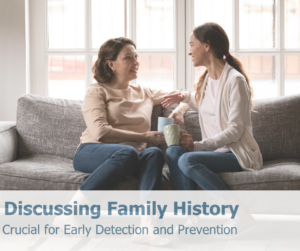
Understanding your family history of cancer is a vital step in cancer prevention, early detection, and effective treatment. Many cancers
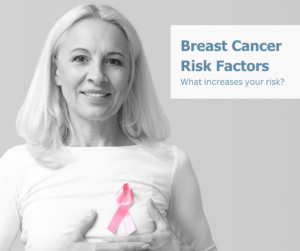
Breast cancer can affect anyone, but some individuals are at a higher risk than others. Understanding your risk factors is

Cancer is a disease that affects millions of people worldwide, and while there are many factors that contribute to cancer,
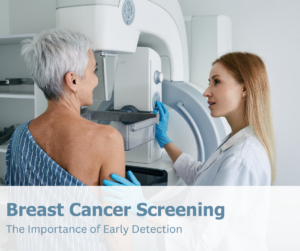
October is Breast Cancer Awareness Month, and there’s no better time to discuss one of the most crucial factors in
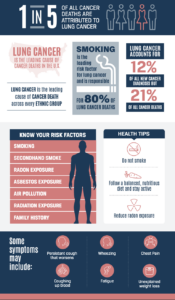
Preventing lung cancer is possible with lifestyle adjustments, risk awareness, and screenings. Here’s what you need to know about the
Family history plays a critical role in understanding your risk of breast cancer. Open discussions with both your family and

Skin cancer is one of the most common cancers worldwide, but the good news is that it’s also one of the most preventable. With the right habits and awareness, you can significantly reduce your risk and keep your skin healthy for years to come. While early detection plays an important role in successful outcomes, prevention is the first and most powerful step.

At Rocky Mountain Cancer Centers, we are proud to serve our local community with high-quality, patient-focused care tailored to individual needs.
Prostate cancer is one of the most common cancers in men, but early detection can greatly improve outcomes.

At Rocky Mountain Cancer Centers, we are proud to serve our local community with high-quality, patient-focused care tailored to individual needs.
Skin cancer is one of the most common cancers—but also one of the most treatable when caught early.