Cancer and Nutrition: Eating Well in the Heat of Summer
Good nutrition is essential during cancer treatment, and summer offers a bounty of seasonal foods that can help you feel

December 21-22, 2024 – Closed
December 23-24, 2024 – Open 8:00 AM – 5:00 PM
December 25, 2024 – Closed
December 26-27, 2024 – Open 8:00 AM – 5:00 PM
December 28-29, 2024 – Closed
December 30-31, 2024 – Open 8:00 AM – 5:00 PM
January 1, 2024 – Closed
January 2-3, 2024 – Open 8:00 AM – 5:00 PM
As of the afternoon of January 23, 2025, our phones are operational. Thank you for your patience as our phone provider experienced a national outage that impacted our phone services on the afternoon of January 22 and the morning of January 23.
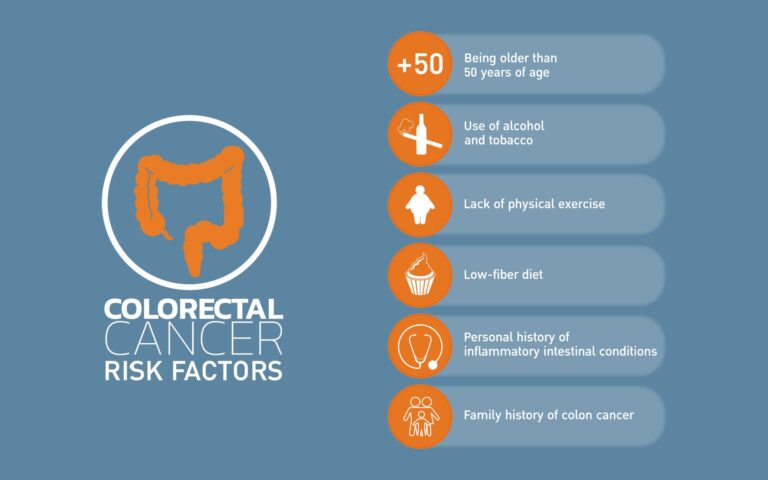
Colorectal cancer, is influenced by genetic, lifestyle, and environmental factors. Understanding its causes and risk factors is key for prevention and early detection.
Causes:
Genetic predisposition: Certain genetic mutations like FAP or Lynch syndrome increase susceptibility.
Inflammation: Chronic conditions like IBD raise the risk of colorectal disease.
Diet and lifestyle: High red meat consumption, low fiber intake, smoking, and obesity are associated with higher risks.
Risk Factors:
Age: Risk increases after 50, making regular screenings vital.
Family history: Those with relatives with colorectal disease are at higher risk.
Personal history: Previous diagnoses of colorectal cancer or polyps increase susceptibility.
Lifestyle: Unhealthy habits like poor diet and lack of exercise elevate risk.
Medical conditions: Diabetes, obesity, and chronic inflammatory conditions increase susceptibility.
Promoting Colorectal Health:
Adopt a healthy lifestyle: Balanced diet, exercise, no smoking, limited alcohol.
Get screened: Regular screenings, starting at 45 or earlier for high-risk individuals, aid early detection.
Know family history: Discuss family history with a healthcare provider for tailored advice.
Be vigilant: Pay attention to symptoms like changes in bowel habits and seek medical attention promptly.
By understanding causes, risk factors, and promoting healthy habits, individuals can lower their risk of colorectal disease and prioritize their well-being. Let’s spread awareness and encourage proactive health measures!

Good nutrition is essential during cancer treatment, and summer offers a bounty of seasonal foods that can help you feel

Alcohol, often celebrated in various cultures, is also associated with increased risks of several cancers. As we observe Alcohol Awareness
National Women’s Health Week serves as a reminder to prioritize their physical and mental health, and overall well-being. This week

Prostate cancer is one of the most common cancers among men, but when detected early, it is also one of

Sleep is an essential aspect of our lives that is often overlooked. While we sleep, our body and mind recharge,
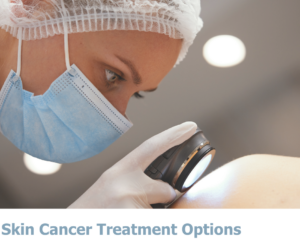
Medical advancements have significantly improved the treatment options available for skin cancer, which is crucial as it remains one of

Fatigue is one of the most common—and frustrating—side effects of cancer treatment. It’s more than feeling tired; it’s a profound

Skin cancer is one of the most common cancers worldwide, but the good news is that it’s also one of the most preventable. With the right habits and awareness, you can significantly reduce your risk and keep your skin healthy for years to come. While early detection plays an important role in successful outcomes, prevention is the first and most powerful step.

At Rocky Mountain Cancer Centers, we are proud to serve our local community with high-quality, patient-focused care tailored to individual needs.
Prostate cancer is one of the most common cancers in men, but early detection can greatly improve outcomes.

At Rocky Mountain Cancer Centers, we are proud to serve our local community with high-quality, patient-focused care tailored to individual needs.
Skin cancer is one of the most common cancers—but also one of the most treatable when caught early.