Nutrition During Cancer Treatment: Tips for Maintaining Your Health
Cancer and its treatments can significantly impact your nutrition and overall well-being. Weight loss and undernutrition are common due to

(All Locations)
Wednesday, Nov. 25: 8 AM – 5 PM Thursday, Nov. 26: Closed Friday, Nov. 27: Closed
Thursday, Dec. 24: 8 AM – 4 PM Friday, Dec. 25: Closed
Thursday, Dec. 31: 8 AM – 5 PM Friday, Jan. 1: Closed
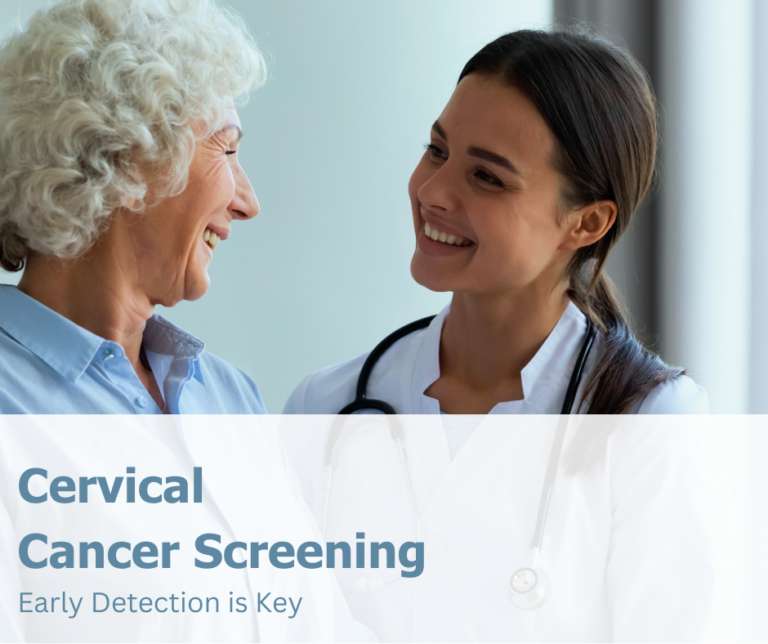
Cervical cancer screening is a vital tool in the early detection and prevention of cervical cancer. Regular screenings can identify abnormalities in the cervix before they develop into cancerous cells. In this blog post, we will discuss the importance of cervical cancer screening and the guidelines to follow.
● Pap Smear Test: The Pap smear test, also known as Pap test, is the most common screening method for cervical cancer. It involves collecting a small sample of cells from the cervix, which are then examined under a microscope for any abnormalities. The test is generally recommended for women aged 21 and older, and the frequency may vary based on individual risk factors.
● HPV Test: In addition to the Pap smear, an HPV test can be performed to check for the presence of high-risk HPV strains. This test is usually recommended for women aged 30 and older, along with the Pap smear. The combination of both tests provides a more comprehensive assessment of cervical cancer risk.
● Screening Guidelines: The screening guidelines for cervical cancer may vary slightly depending on the country and healthcare provider. In general, it is recommended to start screening at the age of 21 and continue until the age of 65. The frequency of screenings may vary based on age, risk factors, and previous test results.
● Importance of Regular Screenings: Regular cervical cancer screenings are essential because they can detect precancerous changes in the cervix early on. Early detection allows for prompt treatment, reducing the risk of the disease progressing to advanced stages. It is important to follow the recommended screening guidelines to ensure timely intervention.
Cervical cancer screening is a powerful tool in the fight against this disease. By conducting regular screenings, women can take charge of their health and reduce the impact of cervical cancer. Our team of dedicated physicians and healthcare professionals are here to support you every step of the way. Contact us to learn more about cervical cancer or schedule an appointment today.

Cancer and its treatments can significantly impact your nutrition and overall well-being. Weight loss and undernutrition are common due to

As we commemorate National Cancer Prevention Month, it is crucial to recognize the importance of early detection and screening in

Breast cancer can affect anyone, but some individuals are at a higher risk than others. Understanding your risk factors is

February is Heart Health Month, and protecting cardiovascular health is an important part of cancer care. Modern oncology focuses not

November is Pancreatic Cancer Awareness Month, a time to shine a light on one of the deadliest cancers that, despite

Colorectal cancer remains a global health concern, but progress in early detection and treatment offers hope.
Diagnosis:

Skin cancer is the most common form of cancer in the United States, and when detected early, it’s also one

Skin cancer is one of the most common cancers worldwide, but the good news is that it’s also one of the most preventable. With the right habits and awareness, you can significantly reduce your risk and keep your skin healthy for years to come. While early detection plays an important role in successful outcomes, prevention is the first and most powerful step.

At Rocky Mountain Cancer Centers, we are proud to serve our local community with high-quality, patient-focused care tailored to individual needs.
Prostate cancer is one of the most common cancers in men, but early detection can greatly improve outcomes.

At Rocky Mountain Cancer Centers, we are proud to serve our local community with high-quality, patient-focused care tailored to individual needs.
Skin cancer is one of the most common cancers—but also one of the most treatable when caught early.