Protecting Our Biggest Organ: Skin Health and Cancer Prevention
Cancer is a word that carries immense weight, affecting millions of lives every year. While it’s true that some risk

December 21-22, 2024 – Closed
December 23-24, 2024 – Open 8:00 AM – 5:00 PM
December 25, 2024 – Closed
December 26-27, 2024 – Open 8:00 AM – 5:00 PM
December 28-29, 2024 – Closed
December 30-31, 2024 – Open 8:00 AM – 5:00 PM
January 1, 2024 – Closed
January 2-3, 2024 – Open 8:00 AM – 5:00 PM
As of the afternoon of January 23, 2025, our phones are operational. Thank you for your patience as our phone provider experienced a national outage that impacted our phone services on the afternoon of January 22 and the morning of January 23.
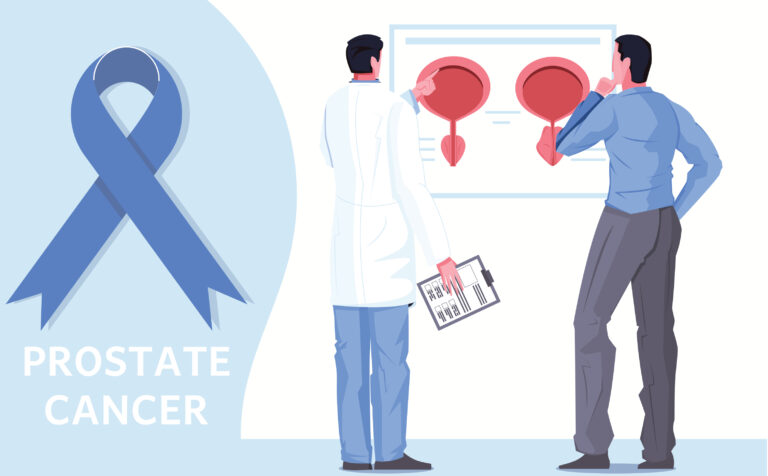
A prostate cancer diagnosis can be overwhelming and scary. You will probably have lots of questions, and wonder where to even begin. Be open with your doctor with your questions and concerns. Here’s a guide you can follow to gain understanding of what to expect.
Understand the stage and seriousness of the cancer. The stage of the cancer is how far the cancer has spread. Knowing the stage of your cancer is important so your doctor can determine what types of treatment might be best for you.
The American Cancer Society recommends these questions:
The big question on your mind will be, How do I fight it? Your doctor will discuss treatment options with you. Determining a treatment plan will consider things like the cancer type, stage and grade for the cancer, pre-existing health problems, and your personal concerns among many other factors.
The main kinds of treatment are observation, active surveillance, surgery, radiation, hormone therapy, and chemo. Sometimes more than one kind of treatment is used.
After treatment, your doctor will want you to come back for follow-up visits. You will be asked about symptoms, get exams and potentially have blood tests and other tests to monitor indicators.
It will be hard not to worry about a recurrence, but with regular check ups with your doctor, and implementing a healthy lifestyle, you can stay ahead of recurrence and have ease of mind.
The longer you’re cancer-free, the less often the visits are needed.

Cancer is a word that carries immense weight, affecting millions of lives every year. While it’s true that some risk

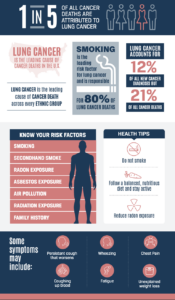
Preventing lung cancer is possible with lifestyle adjustments, risk awareness, and screenings. Here’s what you need to know about the
As we commemorate National Cancer Prevention Month, it is crucial to recognize the importance of early detection and screening in

In recognition of Gynecological Awareness Month, we’re shedding some light on the 5 types of gynecological cancer to help understand

Cancer is a disease that affects millions of people worldwide, and while there are many factors that contribute to cancer,

Sleep is a key part of healing, especially during cancer treatment. Your body uses this time to restore itself, manage

Nutrition plays a vital role in maintaining strength and supporting the immune system during cancer treatment. As we enter the

Skin cancer is one of the most common cancers worldwide, but the good news is that it’s also one of the most preventable. With the right habits and awareness, you can significantly reduce your risk and keep your skin healthy for years to come. While early detection plays an important role in successful outcomes, prevention is the first and most powerful step.

At Rocky Mountain Cancer Centers, we are proud to serve our local community with high-quality, patient-focused care tailored to individual needs.
Prostate cancer is one of the most common cancers in men, but early detection can greatly improve outcomes.

At Rocky Mountain Cancer Centers, we are proud to serve our local community with high-quality, patient-focused care tailored to individual needs.
Skin cancer is one of the most common cancers—but also one of the most treatable when caught early.