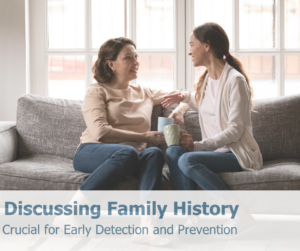
The Importance of Discussing Family History of Cancer
Understanding your family history of cancer is a vital step in cancer prevention, early detection, and effective treatment. Many cancers

December 21-22, 2024 – Closed
December 23-24, 2024 – Open 8:00 AM – 5:00 PM
December 25, 2024 – Closed
December 26-27, 2024 – Open 8:00 AM – 5:00 PM
December 28-29, 2024 – Closed
December 30-31, 2024 – Open 8:00 AM – 5:00 PM
January 1, 2024 – Closed
January 2-3, 2024 – Open 8:00 AM – 5:00 PM
As of the afternoon of January 23, 2025, our phones are operational. Thank you for your patience as our phone provider experienced a national outage that impacted our phone services on the afternoon of January 22 and the morning of January 23.
Navigating life after colorectal cancer treatment can be challenging, but with the right resources and support, individuals can thrive in this phase.
Adjusting to Life After Treatment:
Completing colorectal cancer treatment marks the beginning of a new chapter, but it comes with its own set of adjustments. Managing long-term side effects, such as fatigue, bowel changes, and neuropathy, may require ongoing attention. Establishing healthy lifestyle habits, including a balanced diet and regular exercise, can aid in recovery and promote overall well-being.
Emotional Well-Being:
The emotional impact of a cancer diagnosis and treatment journey can linger long after treatment ends. Many survivors experience feelings of anxiety, depression, or fear of cancer recurrence. It’s essential to address these emotions and seek support from healthcare professionals, counselors, or support groups to cope effectively.
Survivorship Strategies:
Developing a survivorship care plan with your healthcare team is crucial for ongoing monitoring and support. This plan typically outlines follow-up appointments, screening schedules, and recommendations for managing late or long-term effects of treatment. Additionally, rehabilitation services, such as physical therapy or occupational therapy, can help survivors regain strength and function.
Community Support and Resources:
Patient advocacy organizations and support groups play a vital role in providing a sense of community and understanding for colorectal cancer survivors. Connecting with others who have shared similar experiences can offer comfort and practical advice. Local resources, such as cancer support centers or wellness programs, may also provide additional support services tailored to survivors’ needs.
Empowering Survivorship:
By sharing insights and resources for life after colorectal cancer treatment, we aim to empower survivors to embrace their journey and thrive beyond cancer. Survivorship is about resilience, adaptation, and finding joy in life’s moments. Remember, you are not alone, and support is available every step of the way.
Together, we can make a meaningful difference in the lives of those affected by this disease.

Understanding your family history of cancer is a vital step in cancer prevention, early detection, and effective treatment. Many cancers

Melanoma skin cancer is a type of cancer that affects the melanocytes, the cells that produce pigment in the skin.
Although one of the deadliest forms of cancer, pancreatic cancer is also one of the most difficult cancers to detect
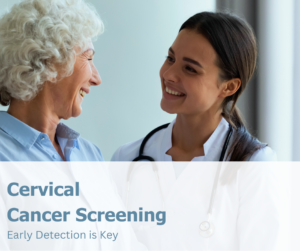
Cervical cancer screening is a vital tool in the early detection and prevention of cervical cancer. Regular screenings can identify
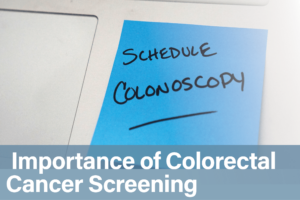
Colorectal cancer screening is crucial for early detection and improved outcomes. Here’s why it matters and the screening options available:
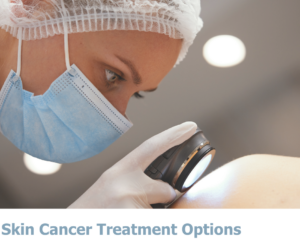
Being diagnosed with skin cancer can be overwhelming—but the good news is that skin cancer is often highly treatable, especially

As the sun shines brighter and temperatures rise, summer invites us to spend more time outdoors enjoying various activities. However,

Skin cancer is one of the most common cancers worldwide, but the good news is that it’s also one of the most preventable. With the right habits and awareness, you can significantly reduce your risk and keep your skin healthy for years to come. While early detection plays an important role in successful outcomes, prevention is the first and most powerful step.

At Rocky Mountain Cancer Centers, we are proud to serve our local community with high-quality, patient-focused care tailored to individual needs.
Prostate cancer is one of the most common cancers in men, but early detection can greatly improve outcomes.

At Rocky Mountain Cancer Centers, we are proud to serve our local community with high-quality, patient-focused care tailored to individual needs.
Skin cancer is one of the most common cancers—but also one of the most treatable when caught early.