Holiday Hours:

December 21-22, 2024 – Closed

December 23-24, 2024 – Open 8:00 AM – 5:00 PM

December 25, 2024 – Closed

December 26-27, 2024 – Open 8:00 AM – 5:00 PM

December 28-29, 2024 – Closed

December 30-31, 2024 – Open 8:00 AM – 5:00 PM

January 1, 2024 – Closed

January 2-3, 2024 – Open 8:00 AM – 5:00 PM

As of the afternoon of January 23, 2025, our phones are operational. Thank you for your patience as our phone provider experienced a national outage that impacted our phone services on the afternoon of January 22 and the morning of January 23.

Doctor's Blog

Hope and Progress in Pancreatic Cancer Treatment and Research

Hope and Progress in Pancreatic Cancer Treatment and Research

Pancreatic cancer has long been one of the most challenging cancers to treat, but advances in research, treatment, and advocacy are providing new hope. This Pancreatic Cancer Awareness Month, let’s focus on the importance of innovative treatment options and how we can support ongoing research for better patient outcomes.

Read More »
Pancreatic Cancer – Understanding the Disease and Its Challenges

Pancreatic Cancer – Understanding the Disease and Its Challenges

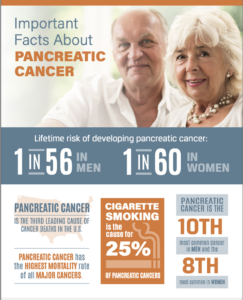
November is Pancreatic Cancer Awareness Month, a time to shine a light on one of the deadliest cancers that, despite its severity, receives limited attention. Pancreatic cancer is challenging to diagnose early, spreads quickly, and has a low survival rate. However, awareness and understanding can help in early detection and support ongoing research to improve outcomes.

Read More »
Lung Cancer Treatment Options

Lung Cancer Treatment Options

If you or a loved one is diagnosed with lung cancer, understanding treatment options is essential. Let’s explore the various ways lung cancer can be treated, offering hope and options for those affected.

Read More »
lung cancer awareness

Lung Cancer Awareness

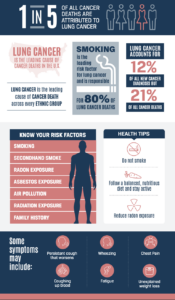
Lung cancer is a leading cause of cancer deaths worldwide, and its early symptoms are often overlooked or mistaken for less serious conditions. In this post, we’ll discuss what lung cancer is, explore its types, and focus on understanding the symptoms, so individuals can recognize early warning signs.

Read More »
treatments-breast-cancer

Treatment Options for Breast Cancer

Before determining a treatment plan, your oncologist will evaluate the stage of breast cancer. The stage describes the extent of the cancer and helps guide treatment decisions. Early-stage breast cancers (stages 0 and 1) may require less aggressive treatments, while more advanced cancers (stages 2-4) may involve a combination of therapies.

Read More »
breast cancer

Understanding Breast Cancer Symptoms: What to Look For and When to Seek Help

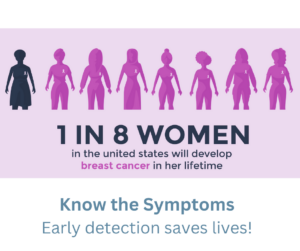
Breast cancer is one of the most common cancers affecting women worldwide. Early detection can significantly improve treatment outcomes, so it’s crucial to be aware of the symptoms and know when to seek medical attention. In this blog, we’ll discuss the key signs and symptoms of breast cancer, helping you stay informed and proactive about your breast health.

Read More »
breast-cancer-risk-factors

Understanding the Risk Factors for Breast Cancer

Breast cancer can affect anyone, but some individuals are at a higher risk than others. Understanding your risk factors is a critical step in prevention and early detection. In this second part of our Breast Cancer Awareness Month blog series, we’ll dive into the various factors that can increase the likelihood of developing breast cancer.

Read More »

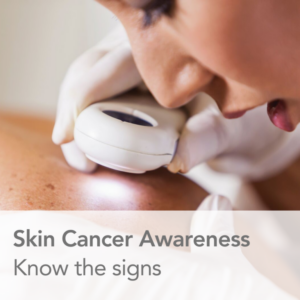
Protect Your Skin Today for a Healthier Tomorrow

Skin cancer is one of the most common cancers worldwide, but the good news is that it’s also one of the most preventable. With the right habits and awareness, you can significantly reduce your risk and keep your skin healthy for years to come. While early detection plays an important role in successful outcomes, prevention is the first and most powerful step.

Read More »

Prostate Cancer: Understanding Risk and Screening

At Rocky Mountain Cancer Centers, we are proud to serve our local community with high-quality, patient-focused care tailored to individual needs.

Prostate cancer is one of the most common cancers in men, but early detection can greatly improve outcomes.

Read More »
skin cancer awareness image

What to Watch For and Why Early Detection Matters

At Rocky Mountain Cancer Centers, we are proud to serve our local community with high-quality, patient-focused care tailored to individual needs.

Skin cancer is one of the most common cancers—but also one of the most treatable when caught early.

Read More »
National caregivers day

Honoring Caregivers

February is a time to recognize the caregivers who stand beside patients through every stage of cancer care. From diagnosis to treatment and beyond, caregivers provide emotional support, practical help, and steady encouragement during some of life’s most difficult moments.

Read More »
heart health month

Heart Health Month

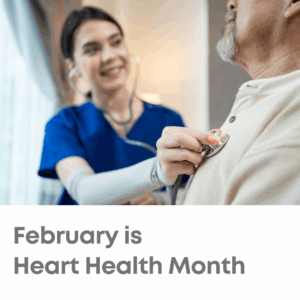
February is Heart Health Month, and protecting cardiovascular health is an important part of cancer care. Modern oncology focuses not only on treating cancer, but also supporting overall wellness during and after treatment.

Read More »
ncpm

National Cancer Prevention Month

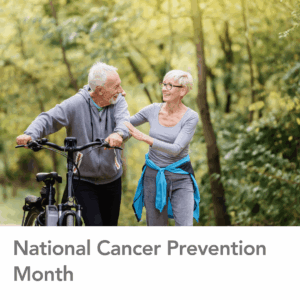
National Cancer Prevention Month is a reminder that many cancers are influenced by daily habits. While not every diagnosis can be prevented, research shows a significant number of cancers are linked to modifiable risk factors — meaning small, consistent changes can make a real difference.

Read More »
staying on schedule

Why Follow-Up Matters

Follow-up appointments are an important part of staying healthy. Whether you’re managing a condition, monitoring progress, or simply keeping up with routine care, these visits help your healthcare team make sure everything is on track.

Read More »
stress during treatment

Managing Stress During Cancer Treatment

Cancer treatment can bring physical, emotional, and mental challenges. Feeling stressed or overwhelmed is completely normal, but there are simple, effective ways to help manage stress and maintain a sense of control during this time.

Read More »