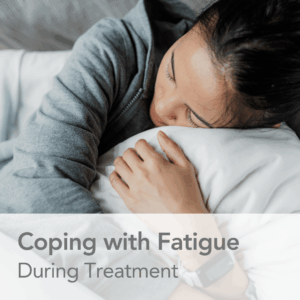
Coping With Fatigue During Cancer Treatment
Fatigue is one of the most common—and frustrating—side effects of cancer treatment. It’s more than feeling tired; it’s a profound

(All Locations)
Wednesday, Nov. 25: 8 AM – 5 PM Thursday, Nov. 26: Closed Friday, Nov. 27: Closed
Thursday, Dec. 24: 8 AM – 4 PM Friday, Dec. 25: Closed
Thursday, Dec. 31: 8 AM – 5 PM Friday, Jan. 1: Closed
As we usher in the new year, it’s the perfect time to reflect on our health and make positive changes. Whether it’s a commitment to eating better, exercising more, or prioritizing preventive care, setting health goals can help us improve our well-being and reduce the risk of cancer.
One of the most important steps in maintaining your health is getting regular screenings. Whether it’s for breast, cervical, colon, or skin cancer, early detection plays a significant role in improving treatment outcomes. Make it a priority to schedule your yearly exams and screenings to catch any potential issues early.
Eating a balanced diet rich in fruits, vegetables, and whole grains can help prevent certain types of cancer. Incorporating more plant-based foods, cutting back on processed meats, and reducing your sugar intake can improve your overall health and lower cancer risk.
Exercise isn’t just good for the heart—it can also reduce the risk of developing several types of cancer. Aiming for at least 30 minutes of moderate physical activity a few days a week can help with weight management, improve immune function, and reduce the risk of cancers like breast and colon cancer.
Being overweight or obese can increase your risk of several cancers, including endometrial, breast, and colon cancer. Maintaining a healthy weight through a combination of proper diet and exercise can reduce this risk and improve your overall health.
Stress and mental health can also affect physical health. Consider incorporating relaxation techniques, such as yoga, meditation, or mindfulness, into your routine. Caring for your mental well-being can strengthen your immune system and improve your body’s ability to fight off illnesses.
As we embark on a new year, make your health a top priority. Small changes can lead to a healthier, longer life.

Fatigue is one of the most common—and frustrating—side effects of cancer treatment. It’s more than feeling tired; it’s a profound


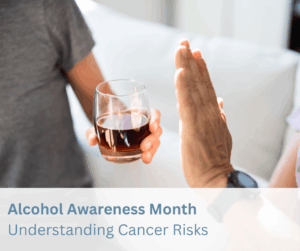
April is Alcohol Awareness Month—an important time to understand how alcohol consumption affects cancer risk. Regular alcohol use is linked
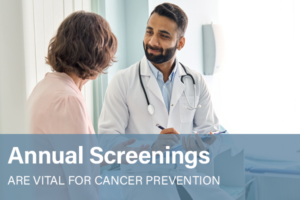
As we commemorate National Cancer Prevention Month, it is crucial to recognize the importance of early detection and screening in
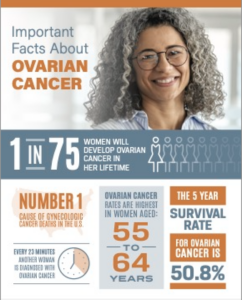
Ovarian cancer begins in the ovaries, the reproductive glands that produce eggs. It is the fifth most common cancer among
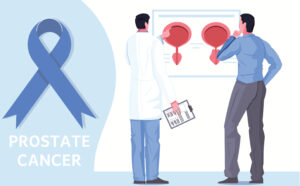
A prostate cancer diagnosis can be overwhelming and scary. You will probably have lots of questions, and wonder where to

Even gentle movement can reduce fatigue, improve your mood, and support healing.
Before determining a treatment plan, your oncologist will evaluate the stage of breast cancer. The stage describes the extent of
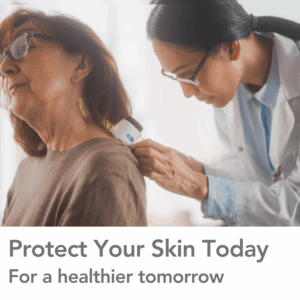
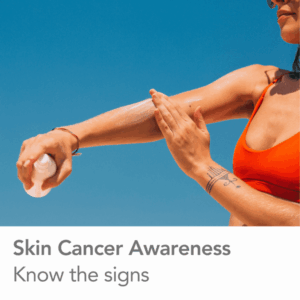
Skin cancer is one of the most common cancers worldwide, but the good news is that it’s also one of the most preventable. With the right habits and awareness, you can significantly reduce your risk and keep your skin healthy for years to come. While early detection plays an important role in successful outcomes, prevention is the first and most powerful step.
At Rocky Mountain Cancer Centers, we are proud to serve our local community with high-quality, patient-focused care tailored to individual needs.
Prostate cancer is one of the most common cancers in men, but early detection can greatly improve outcomes.
At Rocky Mountain Cancer Centers, we are proud to serve our local community with high-quality, patient-focused care tailored to individual needs.
Skin cancer is one of the most common cancers—but also one of the most treatable when caught early.