Coping with a Cancer Diagnosis
A cancer diagnosis can bring a wave of emotions—fear, anxiety, sadness, and even anger. While these feelings are normal, finding

December 21-22, 2024 – Closed
December 23-24, 2024 – Open 8:00 AM – 5:00 PM
December 25, 2024 – Closed
December 26-27, 2024 – Open 8:00 AM – 5:00 PM
December 28-29, 2024 – Closed
December 30-31, 2024 – Open 8:00 AM – 5:00 PM
January 1, 2024 – Closed
January 2-3, 2024 – Open 8:00 AM – 5:00 PM
As of the afternoon of January 23, 2025, our phones are operational. Thank you for your patience as our phone provider experienced a national outage that impacted our phone services on the afternoon of January 22 and the morning of January 23.
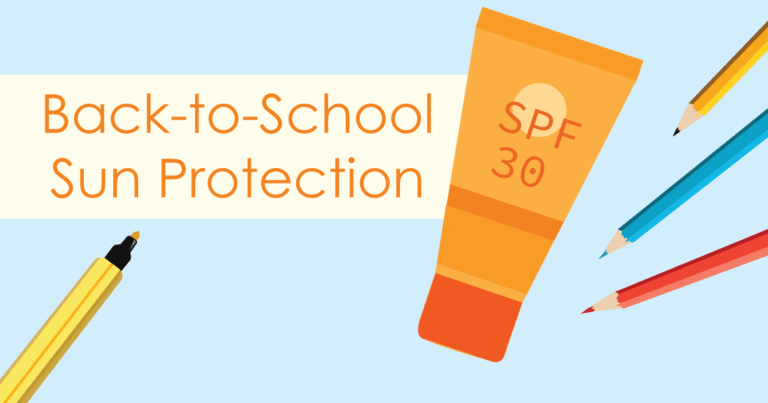
As you prepare to send your kids back to school, the to-do lists and back-to-school shopping start to pile up. It’s no surprise sun protection slips down the list of priorities as you move away from outdoor activities and focus on classroom needs.
But don’t put the sunscreen away just yet. Studies show that children sustain significant amounts of sun exposure while at school. About 23 percent of lifetime UV exposure occurs before the age of 18. This exposure can have far-reaching effects. Because sun damage is cumulative, too much sun exposure during childhood can contribute to a higher risk of skin cancer later in life.
Consider the following tips from the Skin Cancer Foundation before your kids return to school.
Ask the school administration, teacher, or coaches about the planned breaks while the class is outside. UV rays are most intense from 10 a.m. to 4 p.m. Typically, students have outdoor recess or after-school sports between these peak sun hours. Ask if there are accommodations for shaded break areas. Covered areas like gazebos, roof structures, awnings, shade sails, and natural shade, such as thickly leaved trees, are some examples of shaded rest areas.
Clothing choice is a basic form of sun protection. Dressing in densely woven and bright-colored clothes is the single most effective form of sun protection for the body. Send your children to school in densely woven and bright- or dark-colored fabrics. The more skin you cover, the better, so choose long sleeves shirts and pants whenever possible.
Send children to school with a wide-brimmed hat or baseball cap and UV-blocking sunglasses to protect their face, neck, and eyes.
Sunscreen: Make sunscreen part of the morning routine. At least 30 minutes before children go outside, parents should apply a broad spectrum (UVA/UVB) sunscreen with an SPF 30 or higher to their skin. Older children should learn to apply sunscreen themselves and make it a routine habit. To remain effective, sunscreen should be reapplied every two hours or immediately after swimming or sweating. At a minimum, remind children to reapply sunscreen before after-school sports and outdoor activities. One ounce of sunscreen (about the size of a golf ball) should be applied to the entire body. Remind children to cover those easy-to-miss spots, such as the back of the ears and neck, as well as the tops of the feet and hands.

A cancer diagnosis can bring a wave of emotions—fear, anxiety, sadness, and even anger. While these feelings are normal, finding

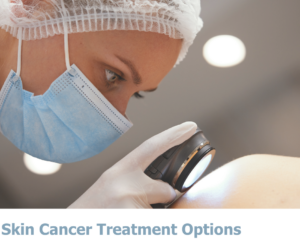
Being diagnosed with skin cancer can be overwhelming—but the good news is that skin cancer is often highly treatable, especially

Even gentle movement can reduce fatigue, improve your mood, and support healing.

In recognition of Gynecological Awareness Month, we’re shedding some light on the 5 types of gynecological cancer to help understand

As we usher in the new year, it’s the perfect time to reflect on our health and make positive changes.

June is National Cancer Survivors Month—a time to celebrate those who have faced cancer and come through with courage, hope,
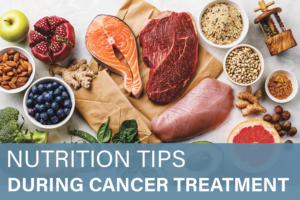
Cancer and its treatments can significantly impact your nutrition and overall well-being. Weight loss and undernutrition are common due to

Skin cancer is one of the most common cancers worldwide, but the good news is that it’s also one of the most preventable. With the right habits and awareness, you can significantly reduce your risk and keep your skin healthy for years to come. While early detection plays an important role in successful outcomes, prevention is the first and most powerful step.

At Rocky Mountain Cancer Centers, we are proud to serve our local community with high-quality, patient-focused care tailored to individual needs.
Prostate cancer is one of the most common cancers in men, but early detection can greatly improve outcomes.

At Rocky Mountain Cancer Centers, we are proud to serve our local community with high-quality, patient-focused care tailored to individual needs.
Skin cancer is one of the most common cancers—but also one of the most treatable when caught early.