
Staying Proactive During Breast Cancer Awareness Month
October is a reminder not just to wear pink, but to take meaningful steps toward protecting your health.

October is a reminder not just to wear pink, but to take meaningful steps toward protecting your health.
A breast cancer diagnosis can feel overwhelming, but today’s treatment options are more effective and personalized than ever before. The right plan depends on the type, stage, and biology of the cancer, as well as a patient’s overall health and preferences.
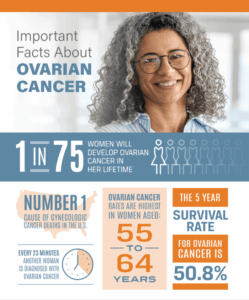
Ovarian cancer is often called the “silent cancer” because its early symptoms can be mistaken for other conditions. Understanding risk factors and warning signs is crucial.

Gynecologic cancers include cancers of the cervix, ovaries, uterus, vulva, and vagina. Awareness and regular screening can make a life-saving difference.

Prostate cancer is one of the most common cancers among men, but when detected early, it is also one of the most treatable. Raising awareness about risk factors, screening guidelines, and treatment options helps men take proactive steps for their health.

Even gentle movement can reduce fatigue, improve your mood, and support healing.
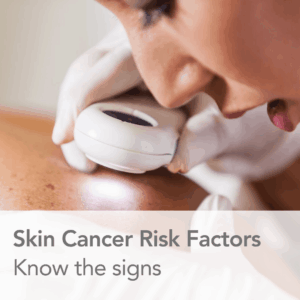
Skin cancer is the most common form of cancer in the United States, but with early detection and prevention, it’s also one of the most treatable.

Sleep is a key part of healing, especially during cancer treatment. Your body uses this time to restore itself, manage stress, and support your immune system. Unfortunately, many people undergoing treatment find it difficult to sleep well.

Good nutrition is essential during cancer treatment, and summer offers a bounty of seasonal foods that can help you feel your best. Fresh fruits, vegetables, and hydrating meals not only support your immune system but also help manage treatment side effects.
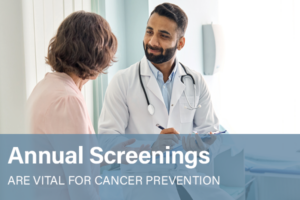
As we commemorate National Cancer Prevention Month, it is crucial to recognize the importance of early detection and screening in the ongoing battle against cancer. Regular screenings for different cancer types can greatly impact timely intervention and treatment outcomes.
As we honor National Cancer Prevention Month, it is important to know the factors that can contribute to the development of cancer. Lifestyle choices, environmental influences, genetics, and other variables can increase your risk of cancer. Understanding risk factors is critical to help prevent cancer.
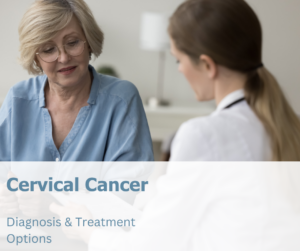
Cervical cancer is a significant health concern for women worldwide. However, with advancements in medical science, early diagnosis and effective treatment options have led to improved outcomes for patients. In this blog, we will delve into the diagnosis and treatment of cervical cancer, shedding light on the crucial steps in the fight against this disease.
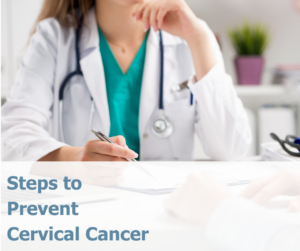
Prevention is critical when it comes to Cervical cancer. By adopting healthy lifestyle choices and taking advantage of available vaccinations, women can significantly reduce their risk of developing this disease. In this blog post, we will explore the importance of lifestyle choices and vaccination in cervical cancer prevention.
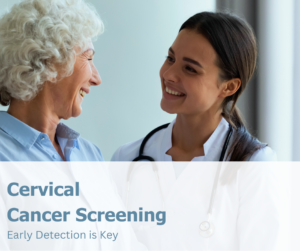
Cervical cancer screening is a vital tool in the early detection and prevention of cervical cancer. Regular screenings can identify abnormalities in the cervix before they develop into cancerous cells. In this blog post, we will discuss the importance of cervical cancer screening and the guidelines to follow.
Cervical cancer is a serious health condition that affects thousands of women worldwide. Recognizing the symptoms and seeking medical attention promptly is crucial for early detection and treatment. Here are some common symptoms of cervical cancer that every woman should be aware of:
While some risk factors are beyond our control, understanding the factors that increase the likelihood of developing Cervical cancer can empower women to take proactive steps in prevention, early detection, and treatment. In this blog post, we will explore the various risk factors associated with Cervical cancer.
Cervical cancer is a significant health issue affecting women worldwide. According to the American Cancer Society, more than 13,000 women will be diagnosed with cervical cancer this year, most often in women over the age of 30.
Kidney stones are hard masses that form from crystals in the urine. Sometimes, they do not have recognizable symptoms, but often, kidney stones can be very painful. Either way, you will want to avoid them, or maybe you’ve had them and you’re in no rush for them to return. There are preventative actions you can take with changes to your diet plan that will help keep kidney stones from building.

Colorectal cancer, also known as colorectal cancer, is a significant health concern worldwide. However, there are proactive steps you can take to reduce your risk of developing this disease. Here are five crucial facts that can help you lower your risk of colon cancer: